Sri Lanka’s electricity generation data reveals that thermal oil power plants produced nearly 1.5 times more electricity than the Norochcholai coal plant during peak hours, as substandard coal continues to cripple the nation’s primary power station while reservoir levels drop rapidly.
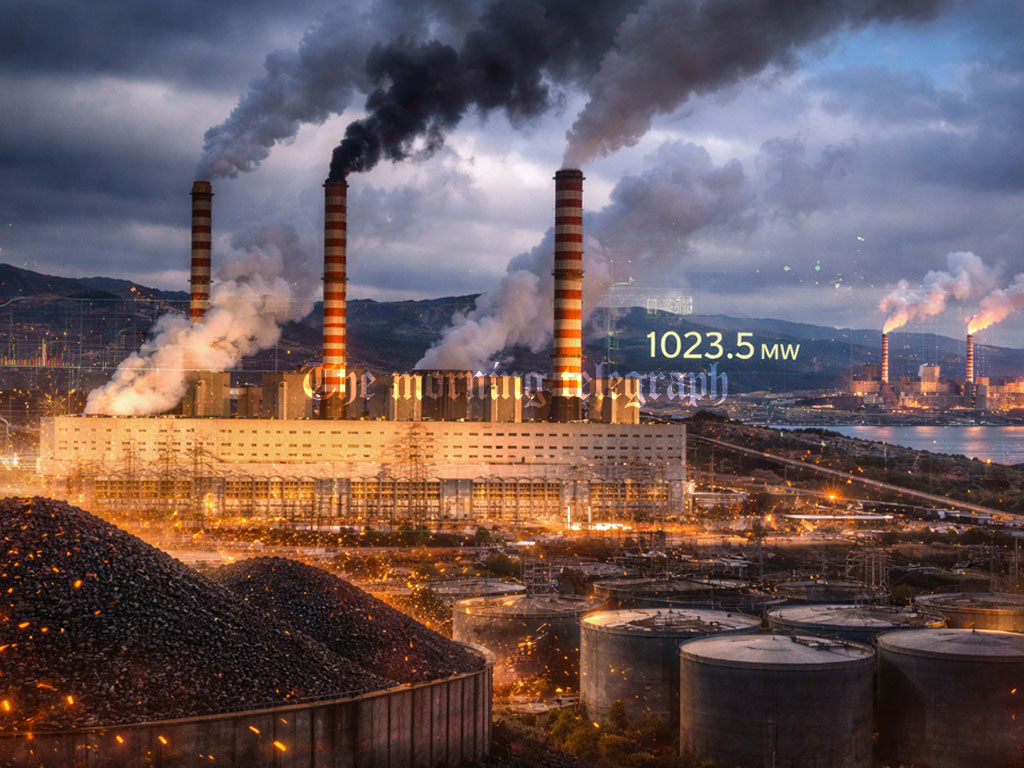
An analysis of yesterday’s electricity generation data reveals that during the evening peak demand period, the amount of power generated from thermal oil plants was nearly 1.5 times that produced by the Norochcholai coal power plant. According to the Ceylon Electricity Board’s daily records, at the peak demand time of 7:00 p.m., coal-based generation stood at 642.7 megawatts, while thermal power plants, including diesel facilities, contributed 1,023.5 megawatts to the national grid.

Although all three units at the Norochcholai plant are currently operational, they are unable to generate electricity at maximum efficiency due to the poor quality of imported coal. Data recorded on March 26 shows a total generation shortfall of 168 megawatts at the facility. This shortfall exceeds the entire capacity of the Kelanitissa power plant.
Yesterday, daytime electricity demand peaked at 2,959 megawatts, while evening demand rose to 3,072 megawatts. Of the total electricity generated, 21 percent came from solar power, 14 percent from hydroelectricity, and 26 percent from thermal oil plants. The Norochcholai Lakvijaya coal plant contributed 670 megawatts to the national system.
During nighttime hours, when solar generation is unavailable, the grid loses approximately 1,500 megawatts of capacity. To compensate, hydroelectric generation was increased to 42.2 percent. However, data reports indicate that water levels at major reservoirs are declining rapidly. Despite the situation, the Water Management Committee has decided to release 6.5 million cubic meters of water daily from the Victoria Reservoir and 8.5 million cubic meters from the Randenigala Rantambe Reservoir to ensure uninterrupted power supply.