A high-stakes no-confidence motion threatens to expose political contradictions, test the government’s anti-corruption credibility, and reshape public perception ahead of future elections.
Few situations could be more politically damaging for a government elected on promises of transparency, accountability, and good governance than facing allegations of corruption and protecting those accused of wrongdoing. This is the uncomfortable position now confronting the JVP-NPP administration.

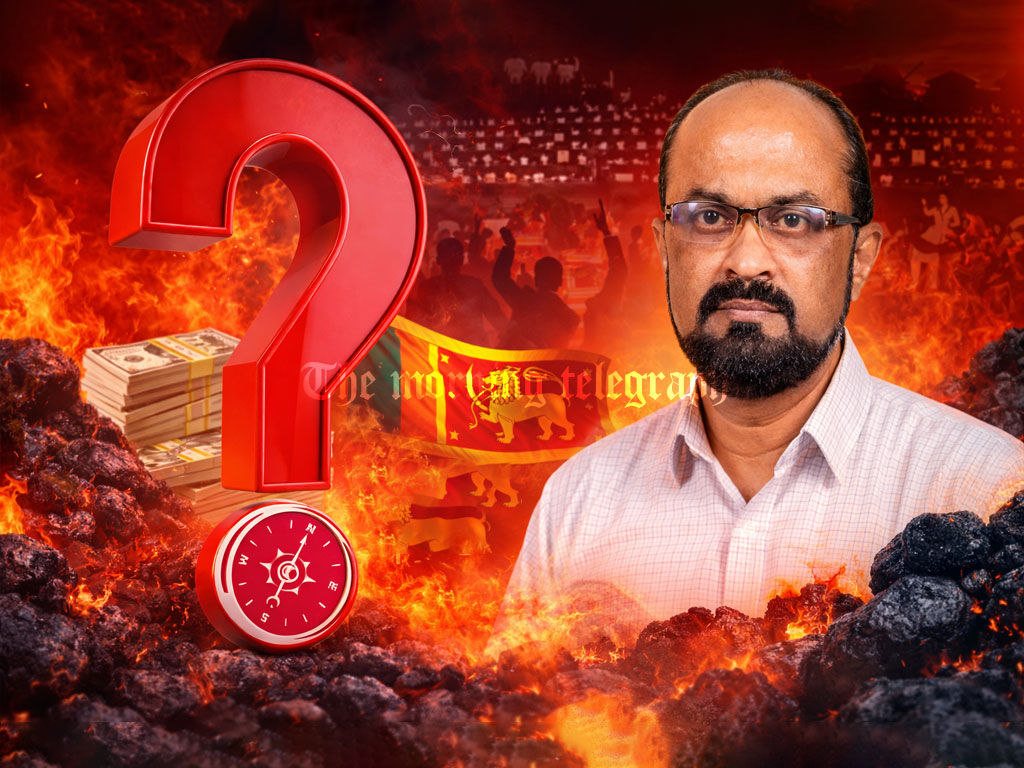
A no-confidence motion submitted by the Opposition to Speaker Dr. Jagath Wickremaratne against Energy Minister Kumara Jayakody is scheduled for debate on April 10. The Opposition argues that Jayakody bears responsibility for the procurement of substandard coal, which has significantly reduced electricity generation at the Norochcholai power plant and caused estimated losses of Rs. 8 billion to the state, with the figure continuing to rise.
The government has little choice but to allow the no-confidence motion to proceed to debate, with the expectation of defeating it using its parliamentary majority. Previously, it blocked a similar motion against Deputy Minister of Defence Maj. Gen. Aruna Jayasekera over alleged lapses linked to the 2019 Easter Sunday attacks. The Speaker ruled that such a motion could not be entertained against a non-Cabinet minister, despite strong counterarguments from the Opposition.
With a two-thirds majority in Parliament, the JVP-NPP government is unlikely to lose the vote. However, the Opposition’s strategy is not necessarily to win the motion but to politically corner the government. By forcing all ruling party MPs to defend Jayakody, the Opposition aims to brand them collectively as protectors of corruption. Allegations surrounding the coal procurement process suggest irregularities, including claims that at least 10 shipments supplied by a company linked to the ruling coalition were of poor quality. There are also accusations that the tender process was manipulated in favor of an inexperienced supplier.
The Opposition’s political calculation is clear. The JVP-NPP rose to power by portraying its rivals as corrupt and positioning itself as a reformist force determined to cleanse Parliament. That anti-corruption narrative became a central campaign message. Yet, less than two years into governance, the administration is facing serious allegations that threaten to undermine that very platform, with the coal procurement controversy emerging as a major flashpoint.
The broader economic impact of the coal tender issue cannot be ignored. According to Opposition figures and independent energy analysts, the use of substandard coal has resulted in a daily generation shortfall of up to 170 megawatts at Norochcholai. Opposition Leader Sajith Premadasa has presented data in Parliament highlighting the extent of the deficit. As a result, the Ceylon Electricity Board has been forced to rely heavily on oil-fired power plants, consuming large quantities of diesel. This shift has significantly increased generation costs, placing additional strain on public finances and exacerbating the ongoing energy crisis.
The consequences are being felt by the public. Rising fuel prices have already burdened households and businesses, and an electricity tariff hike appears imminent. Higher electricity costs typically trigger a ripple effect, driving up the prices of goods and services across the economy. The government now faces the difficult task of convincing the public that the power shortfall and increased costs are not linked to the alleged procurement failures.
Adding to the political pressure are claims that the latest coal contract was awarded to a company associated with individuals connected to the NPP. Specific names have been mentioned in Parliament, and these allegations are expected to feature prominently during the debate on the no-confidence motion.
The situation draws parallels to the no-confidence motion against former Minister Keheliya Rambukwella under the previous administration. At that time, despite facing serious allegations related to the procurement of fake immunoglobulin and substandard medicines, the government used its majority to defeat the motion. While it succeeded in the vote, it suffered politically. The perception that government MPs were shielding corruption weakened public trust and contributed to electoral setbacks that followed. The eventual arrest and prosecution of Rambukwella further validated the Opposition’s narrative.
A similar risk now looms over the current government. The April 10 debate could reinforce the Opposition’s claim that the JVP-NPP is no different from its predecessors despite its anti-corruption rhetoric. By defending Jayakody, ruling party MPs may inadvertently strengthen the perception that the entire administration is complicit in or benefiting from the alleged coal scandal.
This places the government in a strategic dilemma. Having publicly defended Jayakody and dismissed the allegations as baseless and politically motivated, it cannot easily distance itself from him. At the same time, continuing to stand by him carries significant political risks, particularly if public opinion turns sharply against the administration.
The coming debate is therefore more than a parliamentary exercise. It is a test of credibility, leadership, and political judgment. How the government navigates this crisis will shape not only its immediate standing but also its long-term narrative on governance, accountability, and reform.