A gripping political journey through Sri Lanka’s shifting alliances, exposing how power, propaganda, and investigations shaped decades of political victories and defeats.
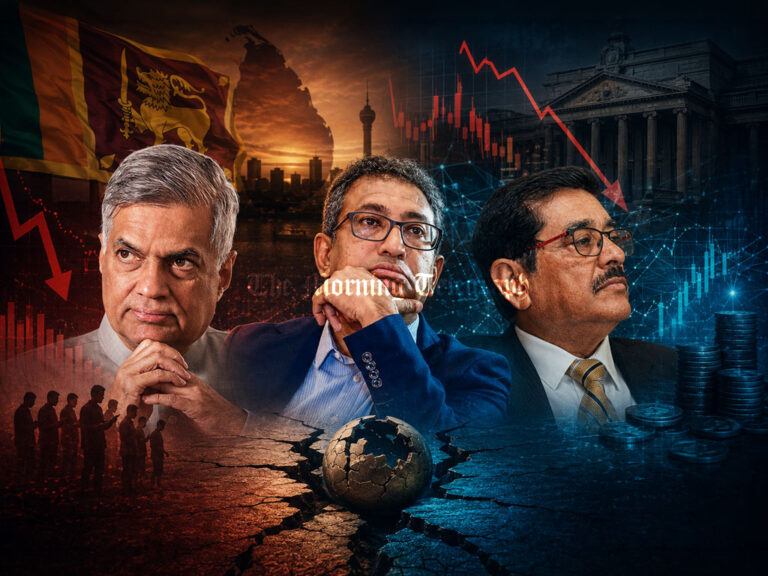
From 1977 to 1994, Sri Lanka’s political landscape remained firmly under the control of the UNP, as both the Bandaranaike and Rajapaksa factions within the SLFP struggled to dislodge them from power. Even the JVP, despite engaging in armed struggle, was unable to establish dominance over the UNP government, leaving the opposition fragmented and ineffective during this period.

A turning point came in 1994, when the SLFP and the JVP aligned around a powerful political slogan aimed at defeating the UNP, focusing on corruption and violence. Although President J.R. Jayewardene had previously used military force to suppress the JVP uprising, both the SLFP and JVP accused his administration of responsibility for widespread killings, shaping a new political narrative.
As accusations intensified, competing claims over high-profile assassinations began to influence public perception. While the JVP was blamed for the killing of Vijaya Kumaratunga, Chandrika Kumaratunga publicly held the Premadasa government accountable. Similarly, despite allegations against Velupillai Prabhakaran for assassinations including Lalith Athulathmudali, General Kobbekaduwa, Vijaya Wimalaratne, Ranjan Wijeratne, and Clancy Fernando, political forces within the SLFP and JVP redirected blame toward the UNP leadership.
The political battle deepened further as Ranil Wickremesinghe and other UNP leaders faced serious allegations of human rights violations. Claims that youth were burned in torture chambers, particularly at Batalanda, gained traction among the public. The SLFP amplified these narratives, while the JVP played a key role in spreading them widely, strengthening opposition sentiment.
Eventually, the SLFP and JVP coalition achieved electoral success, defeating the UNP in the 1994 Southern Provincial Council elections. Chandrika Kumaratunga, leading the alliance, pledged to investigate past violence through a Presidential Commission. After assuming office, she appointed Sarath Silva as Attorney General and tasked him with leading these inquiries, which contributed significantly to her political consolidation and eventual re-election.
In 2005, Mahinda Rajapaksa rose to power with JVP backing, leveraging narratives surrounding the violence of the late 1980s to strengthen his campaign. The political rivalry continued as the UNP struggled to regain ground against the SLFP for the next decade.
A new phase emerged in 2015, when the UNP, once again with JVP support, adopted a renewed political message centered on accountability and justice. By this time, internal divisions had weakened the JVP, with factions aligning separately with Mahinda Rajapaksa and Ranil Wickremesinghe, reflecting shifting loyalties within Sri Lanka’s political sphere.
During the 2015 election campaign, allegations of corruption and links to high-profile killings were directed at Mahinda Rajapaksa’s family. Cases involving figures such as Lasantha Wickrematunge, Prageeth Eknaligoda, and Wasim Thajudeen became central to public discourse, influencing voter sentiment. These developments contributed to Mahinda Rajapaksa’s defeat and the election of Maithripala Sirisena, with Ranil Wickremesinghe assuming the role of Prime Minister.
Following the change in government, investigations into corruption and alleged crimes were assigned to senior investigator Shani Abeysekara. Having built a long career within the police and the Criminal Investigation Department, he led several high-profile probes after discussions among key political leaders, including Maithripala, Ranil, Chandrika, and JVP representatives.
However, political divisions soon resurfaced. As Maithripala Sirisena prepared for the 2019 presidential election, he faced accusations of protecting Gotabaya Rajapaksa from investigation. At the same time, internal fractures weakened the UNP, allowing opposition forces to regain strength.
After Gotabaya Rajapaksa’s victory in 2019, the trajectory of these investigations shifted dramatically. Several investigators faced repercussions, including Nishantha de Silva, who left the country with sensitive case files. Shani Abeysekara was later suspended, arrested, and detained during the COVID-19 pandemic, raising serious concerns about the independence of investigative institutions.
While in custody, Shani’s legal team warned about the risks he faced due to exposure to infected detainees. He subsequently contracted the virus and was reported to be in critical condition, with additional complications affecting his health, including heart-related issues, further intensifying public concern.
During this period, opposition figures such as Sajith Premadasa and other SJB members voiced support for him. In contrast, the JVP, despite its earlier alignment with reformist narratives, remained largely silent, prompting questions about shifting political priorities.
Despite once backing the JVP, Shani Abeysekara faced severe professional and personal consequences. He had believed that under a reform-driven leadership, he would be able to conduct investigations freely. Instead, he encountered suspension, imprisonment, and conditions that placed his life at risk.
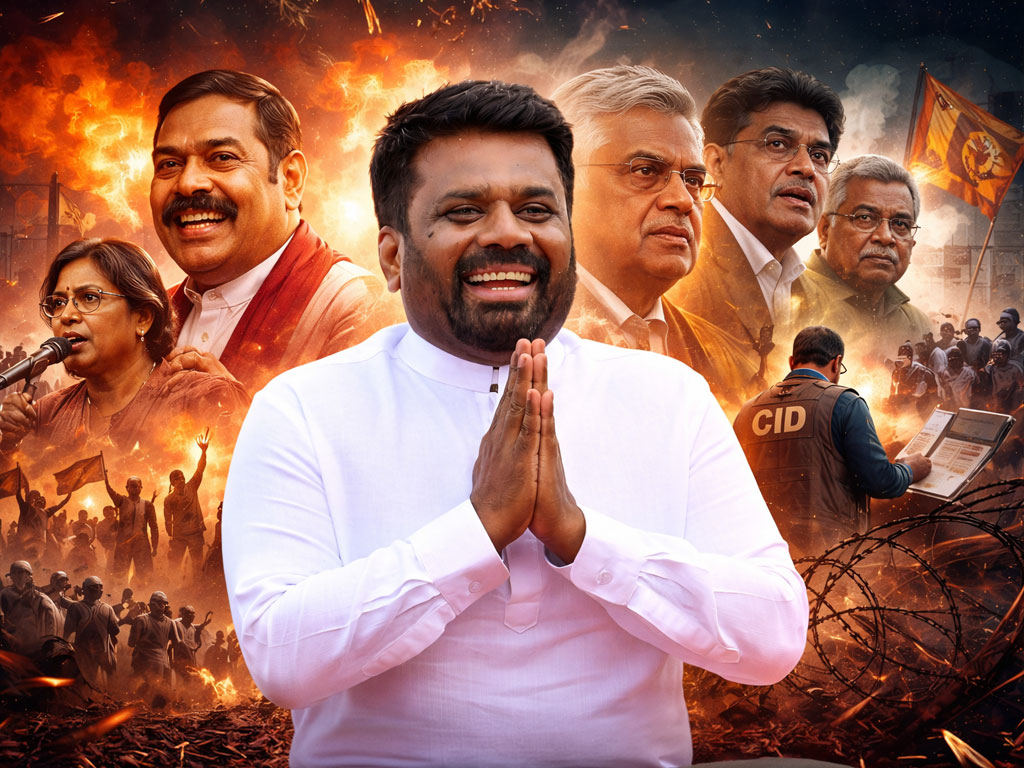
Following the political rise of Anura Kumara Dissanayake, Shani was reinstated as Director of the Criminal Investigation Department, resuming investigations into allegations involving the Rajapaksa family. These developments have been interpreted by many analysts as part of a broader political strategy, once again reshaping Sri Lanka’s complex and evolving political narrative.