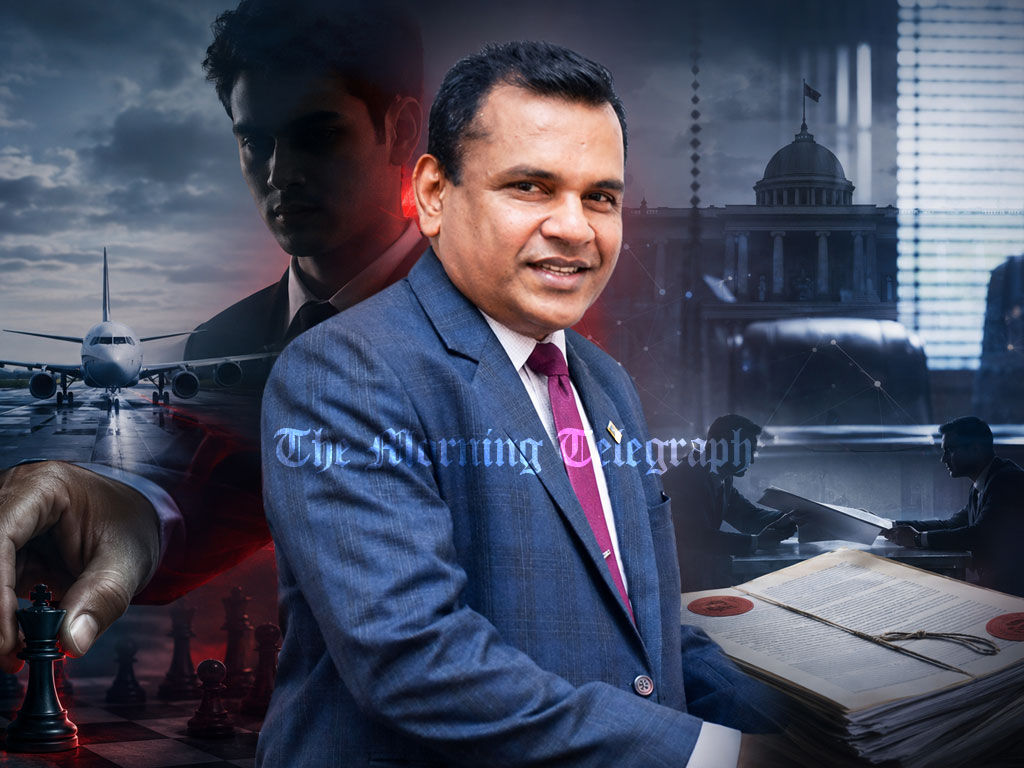
Nepotism 2.0 Takes Off at Civil Aviation – System Change or System Reset?
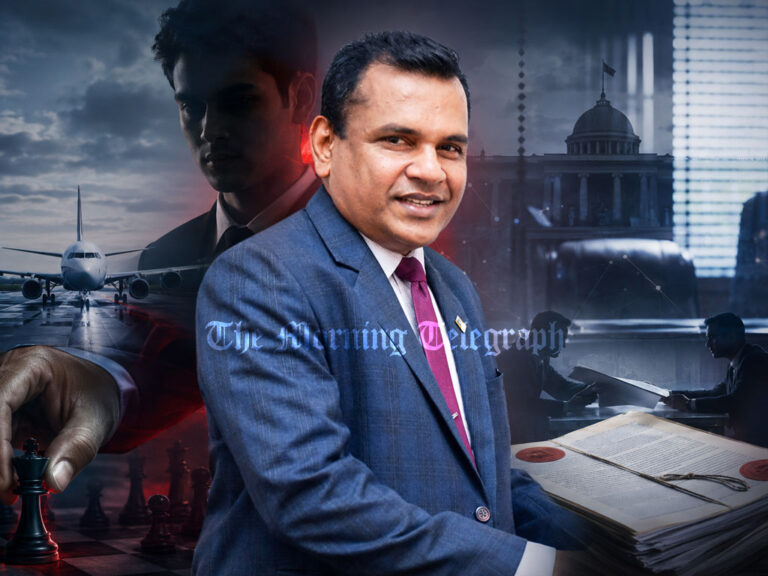
A fresh controversy has erupted inside Sri Lanka’s aviation sector after allegations surfaced that Mr. W.W.S. Mangala, Secretary to the Ministry of Ports and Civil Aviation, played a role in securing the appointment of his son, W.W.S. Kaveesha, as Civil Aviation Inspector for Personal Licensing at the Civil Aviation Authority of Sri Lanka. The appointment, reportedly endorsed by government-appointed Chairman Sunil Jayaratne, has now triggered uncomfortable questions over transparency, political accountability, and whether promises to end nepotism are quietly collapsing behind closed doors.
The reported appointment has triggered questions over transparency, merit, and the independence of public sector recruitment, particularly at a time when the National People’s Power government has repeatedly promised to move away from the culture of nepotism and political favoritism.

Critics say the appointment, if made without a fully transparent and competitive process, would directly contradict the clean governance message promoted by the NPP before and after coming to power.
For many voters, one of the strongest promises of the NPP was that family influence, political connections, and backdoor appointments would no longer have a place in the state system. However, this latest controversy has raised concerns that the old habits of power may not have disappeared, but only returned in a new form.
The phrase now being used by critics is “nepotism 2.0,” a sarcastic reference to what they see as the rebranding of familiar practices under a government that promised something different.
The position of Civil Aviation Inspector for Personal Licensing is not an ordinary appointment. It is linked to aviation safety, professional licensing, regulatory standards, and public confidence in the country’s civil aviation system.
That is why the matter has drawn attention beyond a simple family connection. Questions are now likely to be asked about the recruitment process and if any influence was used in the recruitment process and whether other candidates were considered fairly.
So far, no clear public explanation has been given to show whether the appointment followed a transparent procedure. If the Ministry believes the appointment was made properly, the easiest way to end the controversy would be to publish the selection criteria, evaluation process, interview marks, and the authority responsible for the appointment.
Until then, the issue is likely to remain politically sensitive, especially because it strikes at the heart of the NPP’s promise to clean up public administration.
For a government that came to power promising a break from the past, this raises an uncomfortable question: has nepotism really been removed from the system, or has it simply changed uniforms?
Anyway, congratulations Kaveesha. In Sri Lanka’s public sector, it appears some careers still enjoy priority boarding.