By Roy Denish
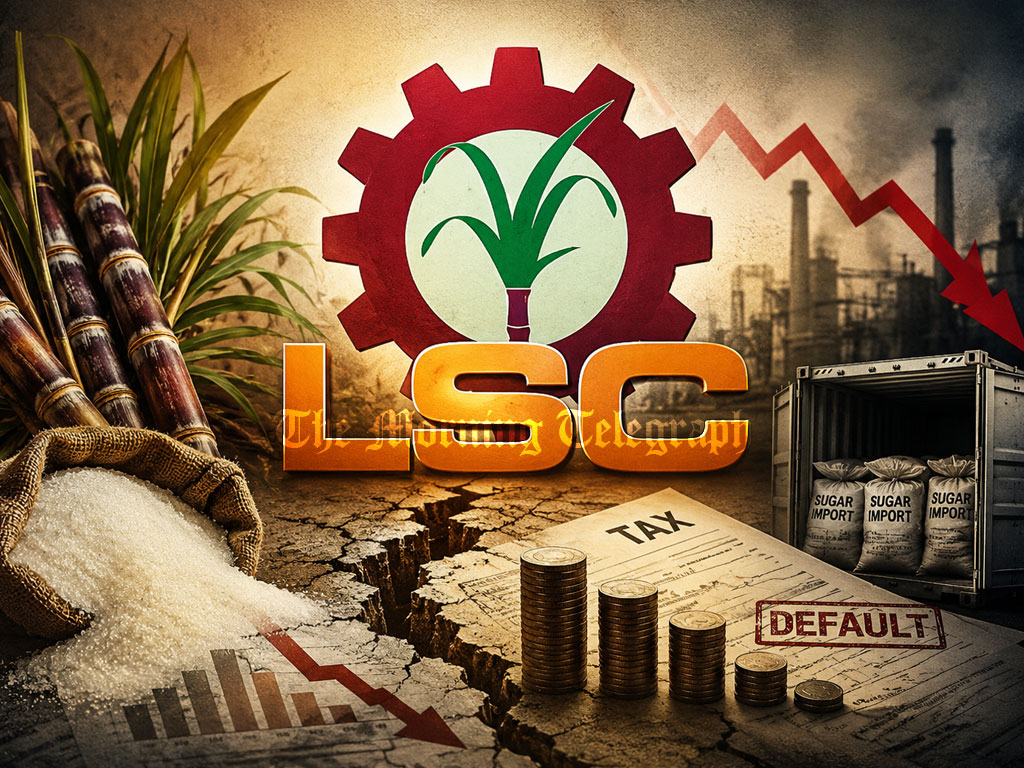
Sri Lanka’s state-owned sugar producer has plunged deeper into financial trouble, posting a Rs. 3.19 billion loss as falling sugarcane production, rising imports, and mounting operational weaknesses expose growing pressure on state enterprises. With emergency Treasury support now required, the future of Lanka Sugar hangs in the balance as the government signals major reforms, consolidation, or possible liquidation for struggling public sector entities.
The Lanka Sugar Company Pvt Ltd soured its balance sheets with a pre-tax loss of 3.193 billion rupees ($10.7 million) for the 2025 financial year, according to data released by the Ministry of Finance. The steep drop deepens a multi-year financial slump, completely dissolving the massive profits the state enterprise enjoyed just two years ago.
Market analysts say a cocktail of operational inefficiencies and declining domestic sugarcane yields leaves the company with a tough pill to swallow. National production fell by nearly 18,000 metric tons last year, failing to crystallize the government’s long-standing goal of domestic self-sufficiency.

To bridge the gap, Sri Lanka has been forced to pour cash into foreign markets, ramping up private sugar imports by more than 86,000 metric tons to keep local supply lines flowing.
The financial crunch has left the state enterprise completely drained of liquidity. According to the treasury’s mid-year fiscal report, the company has begun defaulting on basic tax obligations and mandatory employee provident fund contributions.
“The structural weaknesses within the state plantation sector have become a chronic condition,” Treasury officials noted in the report. Without a massive infusion of state capital or a radical operational overhaul, the company’s future remains highly volatile.
Confronted with the multibillion-rupee deficit, the government has confirmed it will provide direct emergency Treasury support to keep the entity from collapsing. However, the administration has also issued an ultimatum, warning that inactive or structurally compromised state enterprises will face aggressive consolidation or complete liquidation by the end of 2026.