By Dwayne Ferreira.
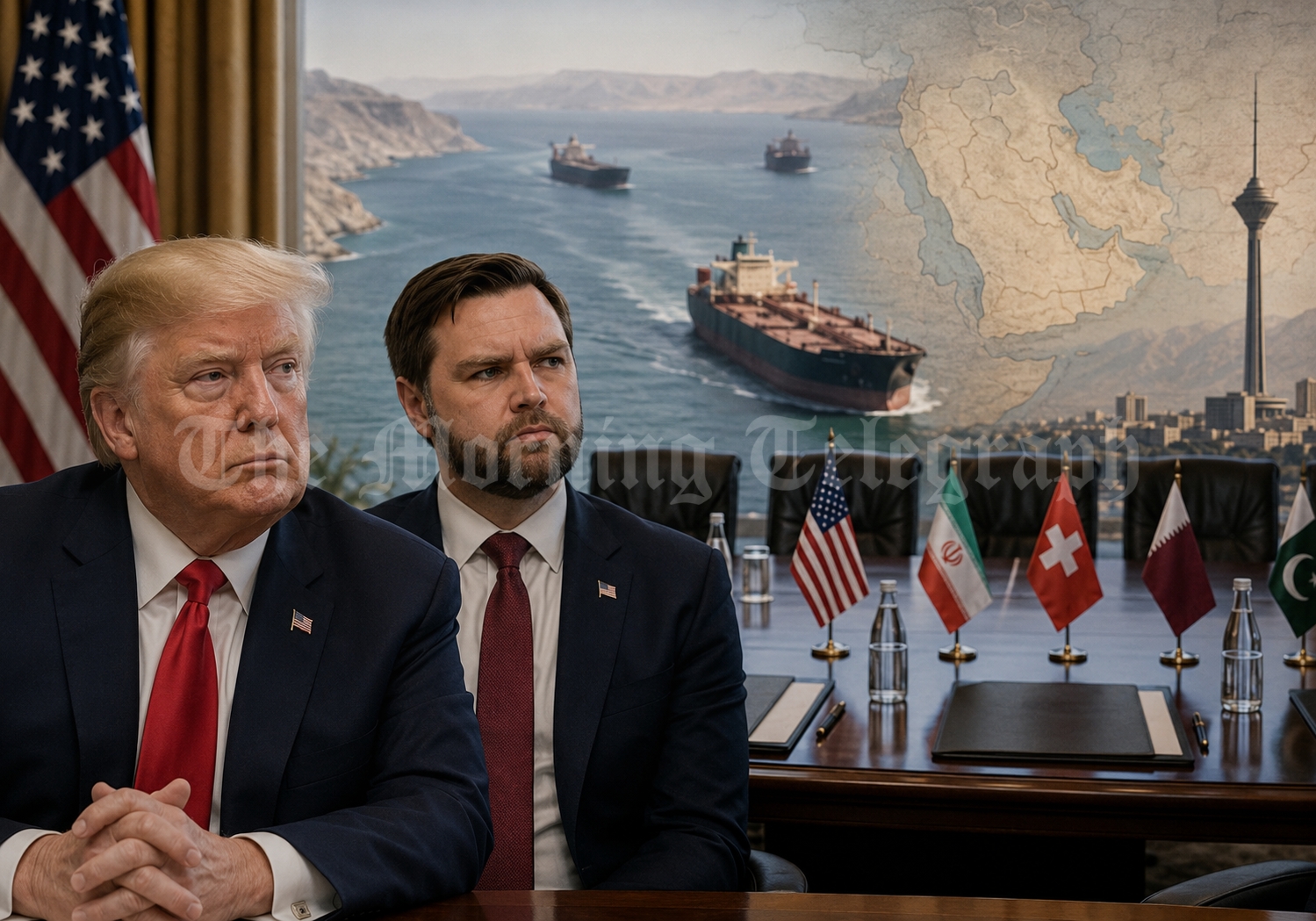
The Trump Iran deal faced its first major test after planned technical talks in Switzerland were postponed and Vice President JD Vance cancelled his scheduled trip.
The White House and the Swiss Foreign Ministry confirmed that discussions involving the United States, Iran, Qatar and Pakistan would not proceed as planned. A White House official told Fox News that arrangements for the technical talks had not been finalized and that the US delegation was prepared to depart at the first available opportunity.
The delay comes as the Trump administration says a 60-day negotiation window under the memorandum of understanding with Iran has officially begun. The framework is expected to cover nuclear restrictions, inspections, sanctions relief and security arrangements around the Strait of Hormuz.

JD Vance Says 60-Day Iran Talks Have Begun
Vance said the 60-day period had started despite the postponement of the Switzerland meeting. He said the agreement had been signed late because of the time difference and that the negotiating clock would now begin.
The vice president also said the United States believes international waterways should remain free of tolls, a position directly linked to the future of the Strait of Hormuz. The narrow waterway is one of the world’s most important oil shipping routes, and any disruption there can affect global energy markets.
Vance said the final agreement must reflect US concerns over freedom of navigation and regional security. He warned that there would be no final deal if those conditions were not met.
“The Iranians want the benefits,” Vance said, arguing that Tehran would have to provide the commitments needed to receive them.
Trump Defends Memorandum Of Understanding
President Donald Trump has defended the newly signed memorandum of understanding, presenting it as a major achievement after the recent conflict with Iran.
In an interview with Axios, Trump rejected the idea that the conflict had shown limits to American power. He said the United States had defeated Iran militarily and pointed to the naval blockade as proof of Washington’s leverage.
Trump also described the agreement in strong terms, saying it was “probably” unconditional surrender. His remarks came despite criticism from some figures who argue that the arrangement falls short of the harder line the administration had previously suggested.
The agreement has become politically sensitive because Trump had earlier demanded unconditional surrender from Iran. The current framework, however, appears to be a temporary memorandum designed to open a 60-day negotiation period rather than a final treaty.
Iran’s Internal Divisions Raise Questions
The postponement of the Switzerland talks also comes amid signs of disagreement inside Iran’s leadership.
According to the televised discussion, Iran’s supreme leader claimed the agreement was more of a tactical pause than a final settlement. He also reportedly said he had been pressured into the memorandum of understanding and had not fully approved it.
Victoria Coates, vice president for national security at the Heritage Foundation, said the situation suggested internal division inside Iran. She argued that the Iranian leadership may be trying to shift responsibility over who approved the agreement.
Coates said the postponement may not necessarily mean the process has collapsed, but added that negotiations could be difficult because of political pressure inside Iran.
She said Iran’s economic situation remained a major factor pushing Tehran toward the negotiating table.
Nuclear Programme Remains Central Issue
The biggest issue in the talks remains Iran’s nuclear programme.
Coates said her main concern was whether the agreement would meet Trump’s stated objective of limiting Iran’s nuclear capabilities. She claimed that US action had set back Iran’s ability to enrich uranium and said the removal or control of highly enriched uranium would be a key test of the negotiations.
Those claims have not been independently confirmed in the transcript and would require official verification.
The Trump administration has argued that Iran must comply with nuclear restrictions and inspection requirements before receiving major benefits. Supporters of the deal say that gives Washington leverage because sanctions relief and other economic advantages can be increased or withdrawn depending on Iran’s behaviour.
Critics argue that any easing of pressure could allow Iran to rebuild its military capacity, support regional armed groups or restart nuclear activity once immediate pressure fades.
Israel Adds Pressure To Regional Talks
Israel is also a major factor in the debate over the Trump Iran deal.
The televised segment said the Israeli military had reported the deaths of four IDF soldiers while fighting in southern Lebanon. It also said Prime Minister Benjamin Netanyahu had vowed not to withdraw from a security zone despite warnings from Trump and the United States.
Vance reportedly warned Israel not to “rock the boat” as the new diplomatic process begins.
Coates described the disagreement as a “fight in the family,” saying the US-Israel relationship remained extremely close. She said both countries still shared the same central objective, which is preventing Iran from obtaining a nuclear weapon.
However, the Israeli position could complicate the next stage of negotiations if military activity in Lebanon continues to create pressure on the wider regional process.
Strait Of Hormuz Security Still Unresolved
The future of the Strait of Hormuz remains another major test.
Vance said Washington wants the waterway to remain open and free of tolls. He also said regional partners would need to be involved in creating a security framework that prevents the strait from being used as leverage in future conflicts.
The concern is significant because the Strait of Hormuz is a key route for global oil and gas shipments. A blockade, toll dispute or renewed military tension could quickly affect international energy prices and shipping costs.
The Trump administration says it retains strong leverage over Iran. Supporters of the deal argue that the United States can monitor Tehran closely and respond if Iran violates the agreement.
Still, the postponement of the Switzerland talks shows how fragile the process remains. The memorandum of understanding has opened a 60-day window, but the most difficult questions over inspections, nuclear material, sanctions relief, Israel, Lebanon and Gulf security have not yet been resolved.
For now, the Trump Iran deal remains alive, but its first major diplomatic step has already been delayed.
#TrumpIranDeal #JDVance #IranTalks #USIranRelations #SwitzerlandTalks #StraitOfHormuz #IranNuclearDeal #MiddleEastSecurity #DonaldTrump #IsraelIran #OilSecurity #Geopolitics