By Roy Denish.
Sri Lanka prison crisis worsens as Kuruwita unrest leaves two inmates dead, 11 injured and authorities tighten security nationwide.
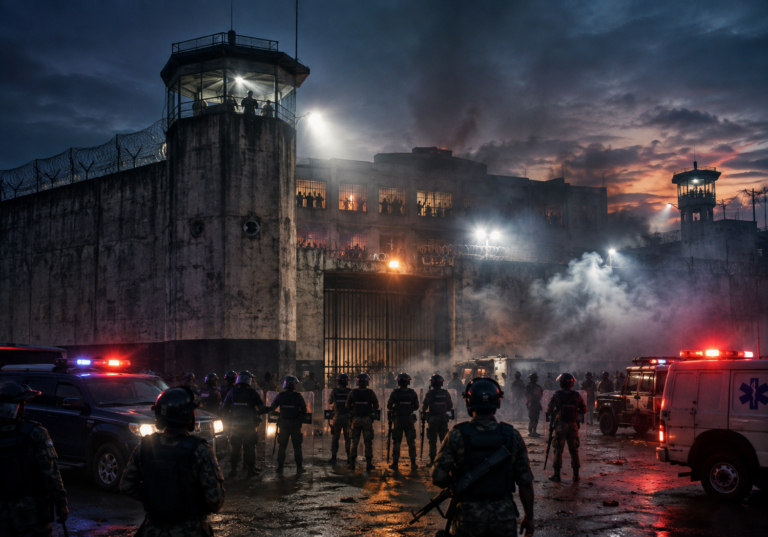
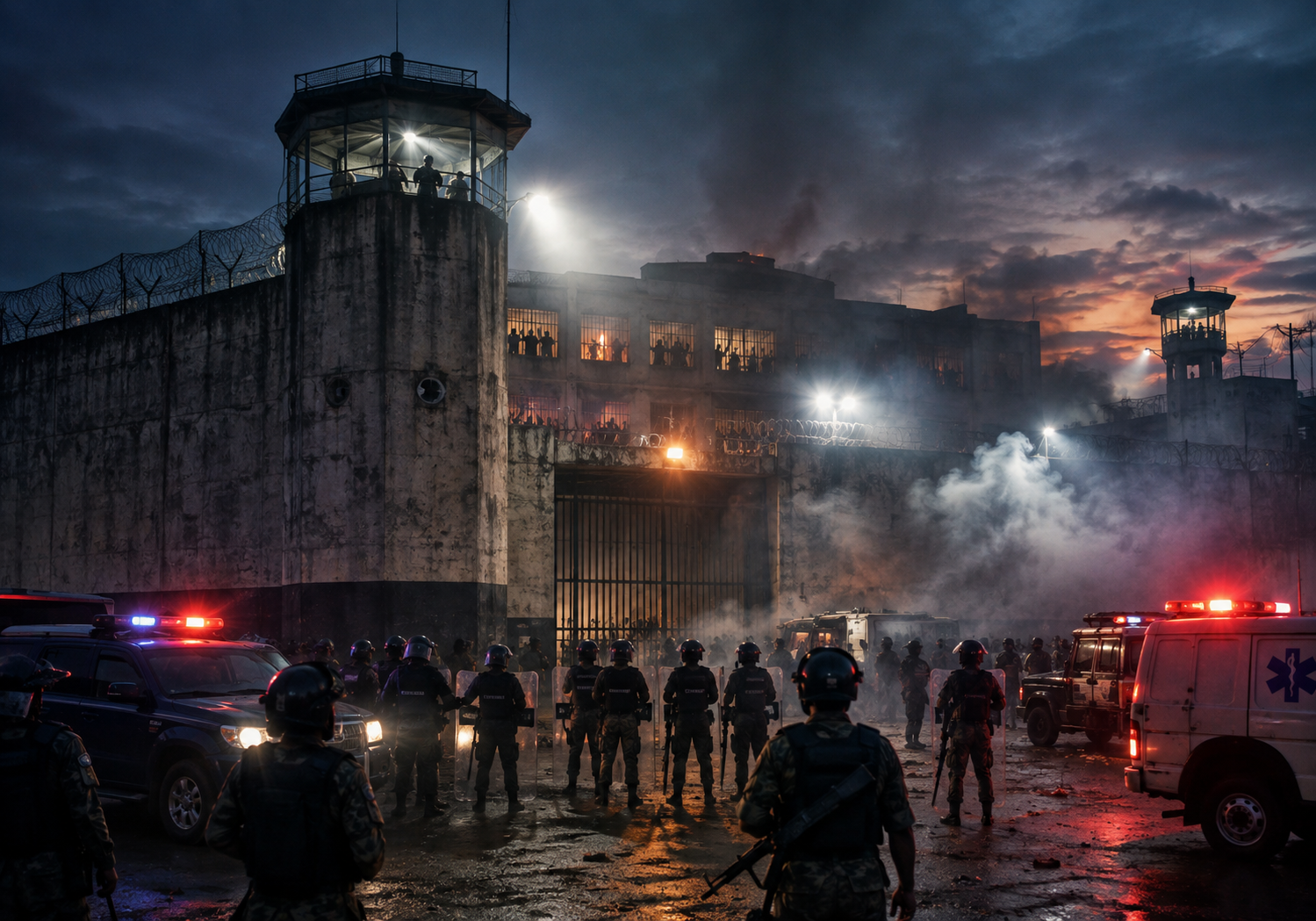
The Sri Lanka prison crisis deepened on Friday after fresh unrest at Kuruwita Remand Prison in the Ratnapura District left two inmates dead and 11 others injured, extending a wave of violence across several major correctional facilities.
Police said the injured detainees were taken to Ratnapura Teaching Hospital for treatment. Prison guards and anti-riot units used tear gas inside the facility to regain control. Meanwhile, heavy contingents of Police Special Task Force commandos and armed military personnel deployed outside the prison to establish containment zones and prevent possible escapes.

Kuruwita Unrest Follows Disturbance in Colombo
The Kuruwita unrest erupted late Thursday night and continued into early Friday morning, following reports of an earlier disturbance at Magazine Remand Prison in Borella, Colombo.
At Magazine Prison, inmates in the high-security “E” Ward breached their containment areas and engaged in disorderly conduct linked to internal drug syndicates. Police strike teams responded immediately.
Word of the confrontation in Colombo then spread rapidly through the correctional network. It triggered parallel unrest among detainees at Kuruwita, about 80 kilometres southeast of the capital.
The latest deaths bring the cumulative toll from recent prison riots across Sri Lanka to 28 dead, including seven prison officers, with more than 100 people injured.
The violence first erupted in early July during a major two-day clash at Negombo Prison. Fighting between rival drug syndicates over leaked contraband operations spiralled out of control.
That incident was followed by an uprising at Mahara Prison. Inmates vandalised and set fire to hospital wards, kitchens and training centres before specialised forces restored order.
Sri Lanka Prison Crisis Exposes Overcrowding Concerns
Human rights advocates and correctional observers link the growing violence to severe overcrowding and dangerous living conditions across Sri Lanka’s penal institutions.
High-security facilities designed to hold only a few hundred people are operating at three to four times their intended capacity. Thousands of detainees remain in cramped conditions where rival gang factions compete for limited resources and internal control.
In response, the Ministry of Justice and National Integration announced a nationwide security review. Authorities are launching targeted investigations into contraband channels and drug-smuggling networks operating inside prisons.
Officials have also begun plans to isolate and transfer high-risk gang members to specialised high-security facilities. At the same time, the government is working to clear administrative backlogs and speed up bail hearings in an effort to reduce the overwhelming prison population.