By Dwayne Ferreira.
Vatican confirms 71-year-old pontiff underwent surgery to remove part of his right lung as millions around the world await further medical updates.
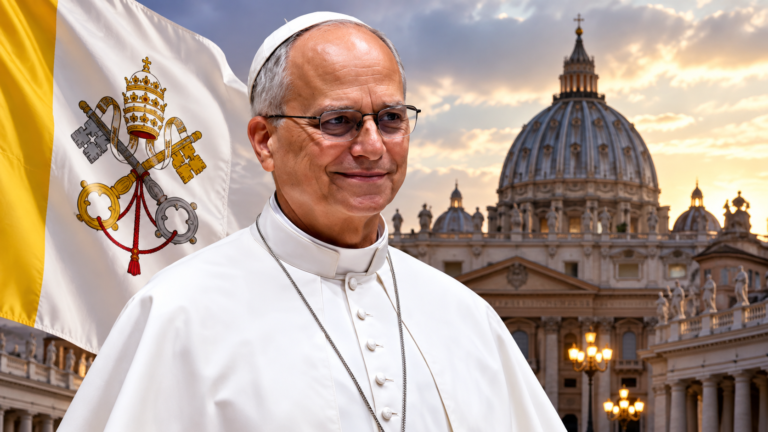
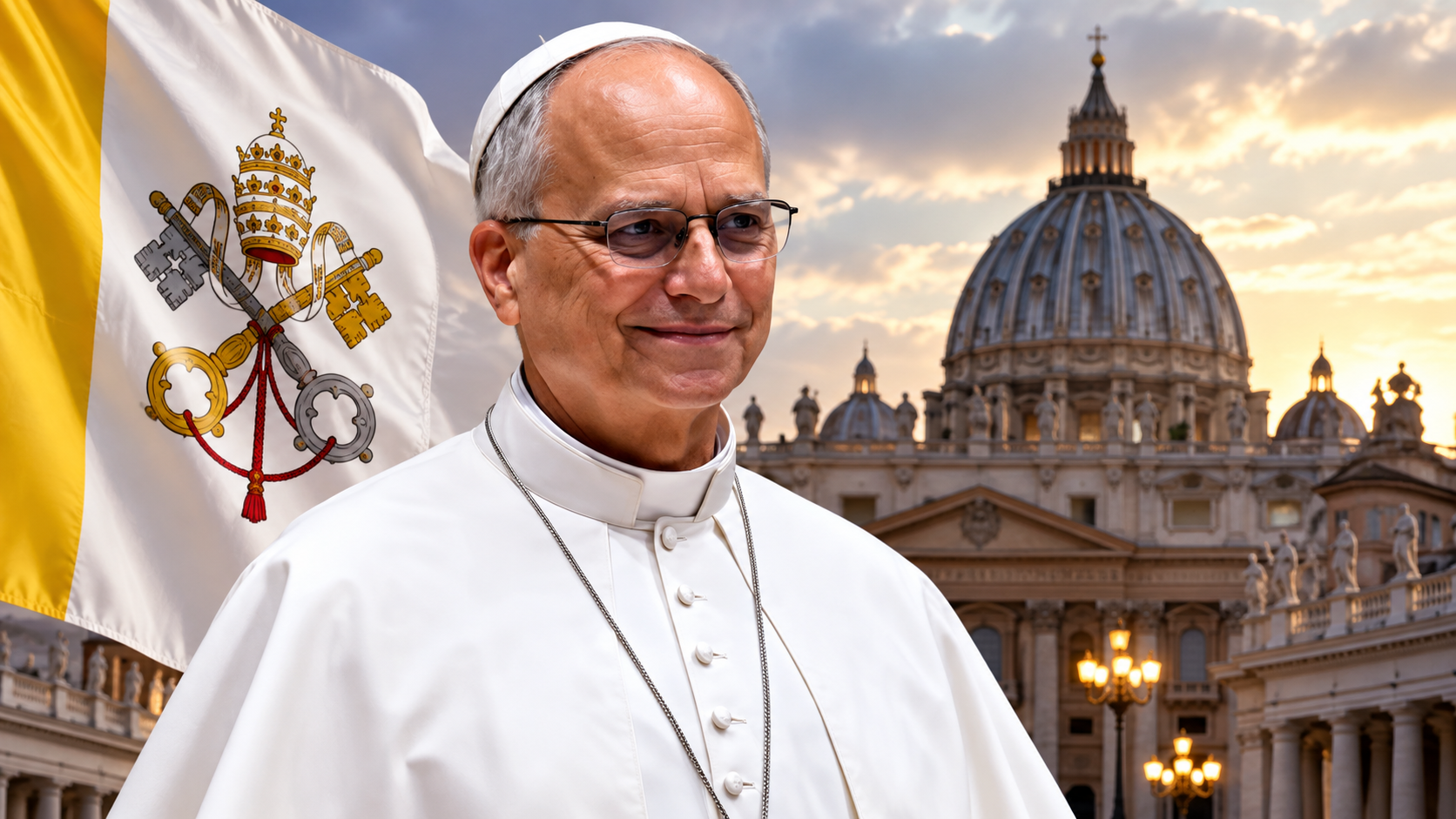
VATICAN CITY – Pope Leo XIV has been diagnosed with lung cancer following surgery at Rome’s Gemelli Hospital, in a major health development that has drawn worldwide attention and prompted prayers from Catholics and other Christian communities.
The Vatican confirmed on Tuesday that surgeons successfully removed the lower lobe of the 71-year-old pontiff’s right lung after medical examinations identified a suspicious growth.
Subsequent tests confirmed pulmonary adenocarcinoma, a form of lung cancer that develops in glandular cells within the lungs.

Although the operation was completed successfully and without reported complications, additional medical assessments are expected to determine whether further treatment will be necessary.
Vatican confirms successful surgery
According to the Holy See Press Office, the Pope spent approximately three hours in the operating room, with the surgical procedure itself lasting about 90 minutes.
Following the operation, Pope Leo regained consciousness normally and returned to his hospital room for postoperative monitoring.
The Vatican had previously disclosed that doctors identified a small, localised lung nodule during medical examinations.
Speaking publicly on October 11, the Pope informed the faithful that the abnormality had been detected at an early stage and that he intended to follow his doctors’ recommendations.
The announcement marked an unusually open disclosure of a serving pontiff’s medical condition.
What is pulmonary adenocarcinoma?
Pulmonary adenocarcinoma is among the most common forms of non-small-cell lung cancer.
It can occur in people who have never smoked and may develop without obvious symptoms during its earliest stages.
Treatment depends on several factors, including the size and location of the tumour, whether it has spread, and the patient’s overall health.
Surgical removal can be an important treatment option when cancer is sufficiently localised.
However, doctors must evaluate tissue samples and other medical findings before determining the disease’s stage or the need for additional treatment.
The Vatican has not yet provided a definitive long-term prognosis.
Global attention turns to Pope’s recovery
The diagnosis represents a significant moment in Pope Leo’s papacy, with his health now becoming an international concern.
As spiritual leader of the Roman Catholic Church, his condition is being closely followed by millions of Catholics worldwide, including communities across Asia, Africa, Europe and the Americas.
The Pope’s scheduled activities are likely to be affected during his recovery, while future international engagements will depend on medical advice.
The immediate priority remains his postoperative recovery and the results of continuing medical examinations.
For Catholic communities in Sri Lanka, the development is also of considerable religious significance, particularly as congregations await further official Vatican announcements.
Although the cancer diagnosis is serious, the Vatican’s confirmation that the procedure was successful offers an encouraging initial development.
The coming days will be important in establishing the next stage of the Pope’s treatment and recovery.