By Dwayne Ferreira.
Hundreds of supermarkets suffer major losses after cybercriminals reportedly manipulate refrigeration temperatures, exposing serious vulnerabilities in connected food storage systems.
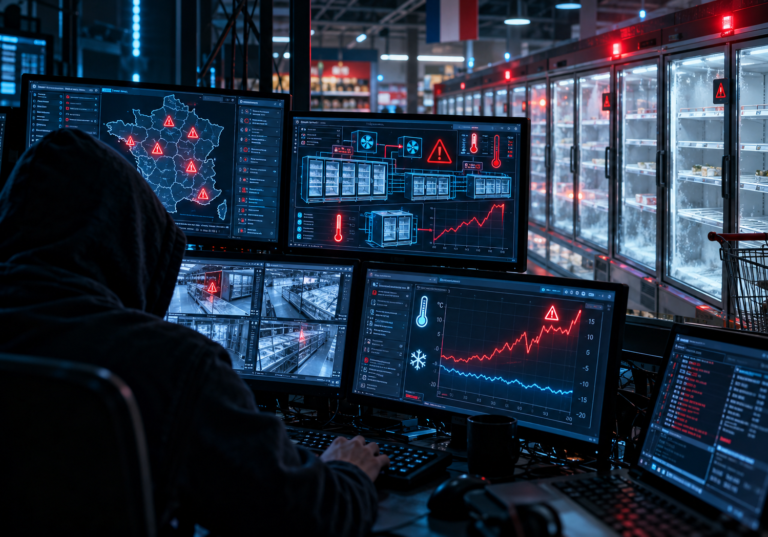
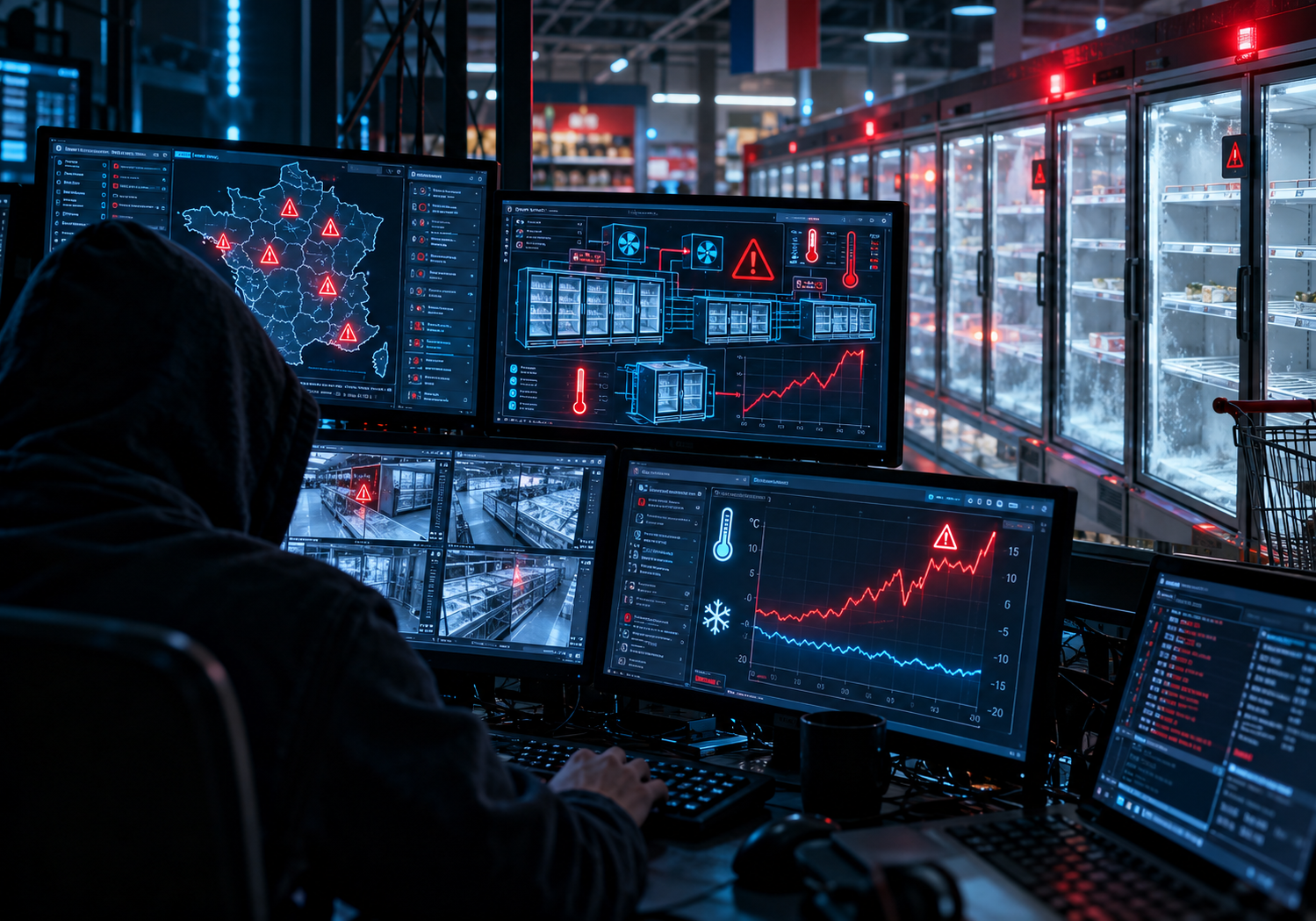
PARIS – A large-scale cyberattack targeting supermarket refrigeration systems across France has destroyed significant amounts of food, disrupted retail operations and exposed alarming weaknesses in the technology used to protect perishable goods.
Hackers reportedly gained unauthorised access to internet-connected refrigeration systems, deliberately manipulating temperatures inside supermarket refrigerators and freezers.
Some affected systems reportedly reached temperatures as high as 50 degrees Celsius, causing meat, frozen products and other perishable items to spoil.
The attacks affected major French supermarket chains, including Carrefour, Intermarché, Monoprix and Coopérative U, according to Reuters.
The incident has raised serious questions over whether essential commercial infrastructure has become dangerously vulnerable to relatively straightforward cyber intrusions.
Hundreds of Supermarkets Affected
Reports indicate that at least 350 supermarkets were affected, although some estimates place the number of impacted stores considerably higher.
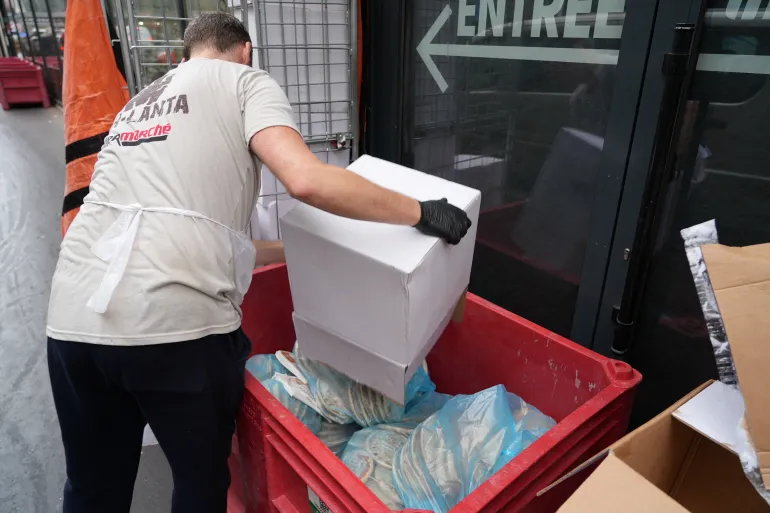
Employees at several locations were forced to discard large quantities of refrigerated and frozen food after storage temperatures became unsafe. Images from affected supermarkets showed boxes of spoiled products being removed from stores.
Fires were also reported at several locations, although investigations into the full extent of the damage are continuing.
The financial impact could be substantial, particularly when losses of food stocks, repairs, interrupted trading and additional security measures are considered.
The cyberattack demonstrates how digital interference can cause immediate physical damage to everyday commercial operations.
How Hackers Reportedly Gained Access
Investigators are examining vulnerabilities in the software and control systems used to manage commercial refrigeration equipment.
Reuters reported that the attacks appeared to involve remotely connected refrigeration systems, with cybersecurity specialists highlighting potential weaknesses in equipment that had not received appropriate software updates.
Systems associated with Danish refrigeration technology company Danfoss have come under scrutiny.
Cybersecurity experts suggested that known vulnerabilities and inadequate maintenance may have created opportunities for attackers.
However, investigators have yet to publicly establish the full sequence of events or conclusively identify those responsible.
The incident illustrates a fundamental weakness in modern commercial operations: equipment traditionally regarded as mechanical infrastructure is increasingly controlled through networked computer systems.
When those networks are inadequately protected, attackers may be able to interfere with physical operations without entering the premises.
Who Was Behind the Cyberattack?
French investigators are attempting to identify the individuals or groups responsible for the intrusion.
As of October 13, no organisation had publicly claimed responsibility.
Investigators were also examining the unusual absence of an apparent ransom demand.
Many major cyberattacks involve criminals attempting to extort money from businesses in exchange for restoring access to systems or preventing the release of stolen information.
In this case, however, the reported objective remains unclear.
The deliberate destruction of food stocks has raised the possibility that the attackers intended to cause disruption rather than secure immediate financial gain.
That remains a possibility rather than an established motive.
Could Similar Attacks Happen Elsewhere?
The attack has implications far beyond France.
Supermarkets, hospitals, warehouses, factories and transport networks increasingly rely on internet-connected equipment.
Modern refrigeration systems can be monitored remotely, making them more convenient and energy-efficient.
However, these benefits also introduce additional cybersecurity risks.
A compromised system may allow attackers to change operating conditions, interrupt essential processes or damage valuable goods.
For countries such as Sri Lanka, the incident is a reminder that cybersecurity protection cannot be limited to banks, telecommunications providers and government websites.
Food storage facilities, pharmaceutical warehouses, hospitals and major supermarket networks also require effective digital protection.
Failure to secure these systems could result in financial losses, disrupted supplies and potential public-health concerns.
A Wake-Up Call for the Global Food Industry
The French attacks reveal how a comparatively ordinary piece of infrastructure — a commercial freezer — can become a target for deliberate technological sabotage.
Businesses are now being urged to reassess the security of connected operational systems, apply available software updates and restrict unnecessary remote access.
The investigation continues, but one conclusion is already clear: the consequences of cybercrime are no longer confined to stolen passwords, compromised accounts or financial fraud.
Cybercriminals can now interfere directly with the physical systems that support everyday life.
The destruction of food stocks across France may ultimately prove to be a warning for retailers worldwide.