By Roy Denish
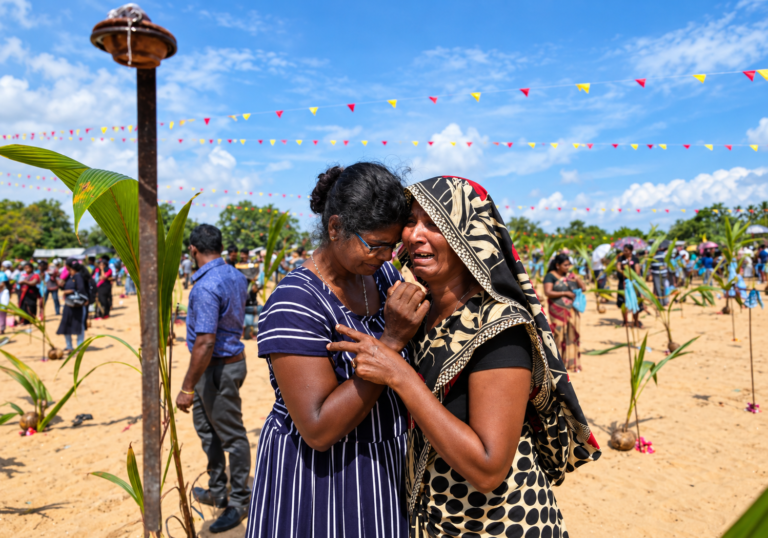
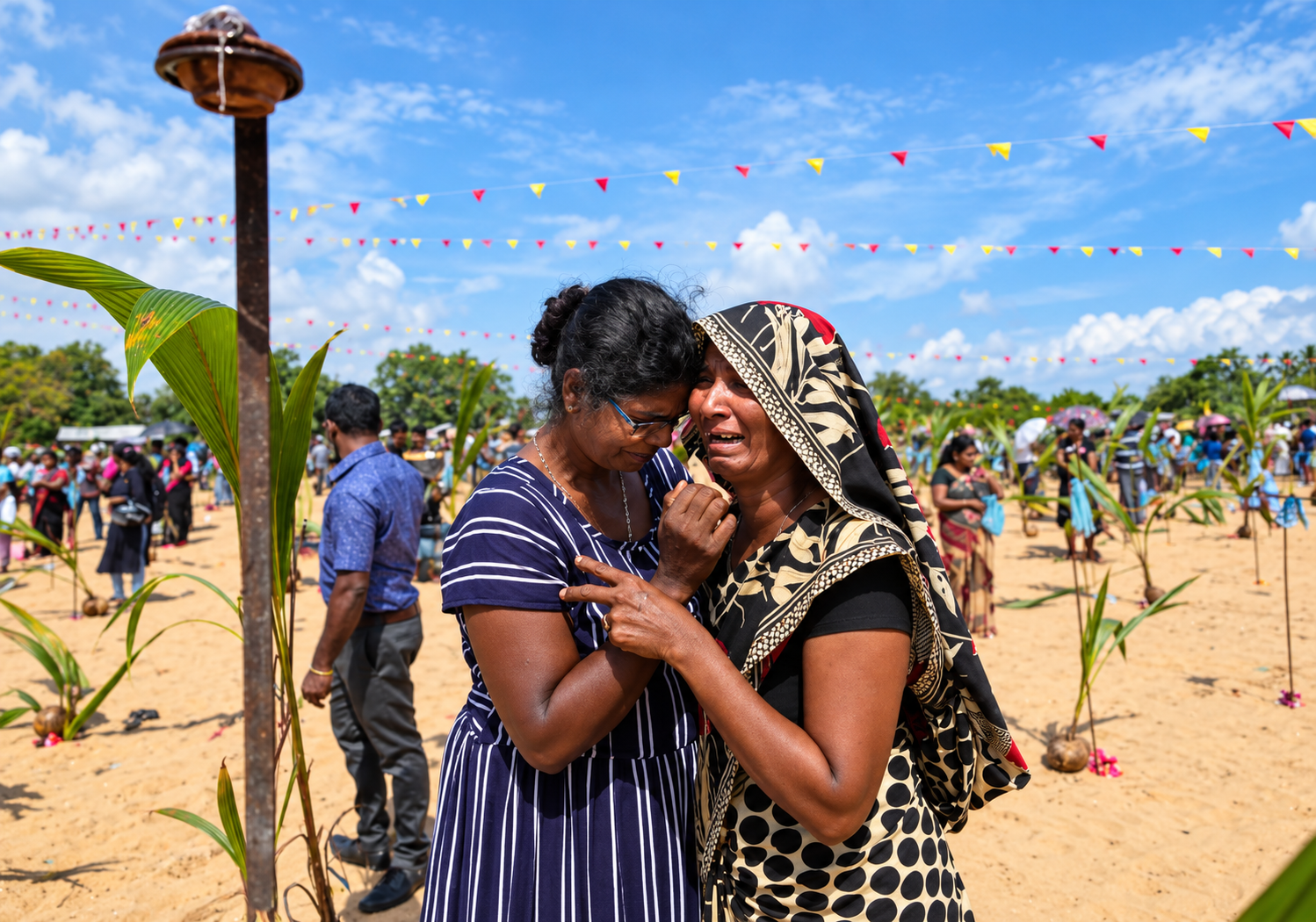
Families of the disappeared have challenged the Chemmani excavation report, which records 574 individuals, including a large proportion of children.
JAFFNA – The investigation into human remains recovered from the Chemmani burial site has entered a contentious new phase after families of missing persons formally challenged an interim archaeological report suggesting that the location may have functioned as a conventional cemetery rather than a clandestine mass grave.
The challenge follows the submission of a court-ordered forensic archaeological report documenting the remains of at least 574 individuals, including an exceptionally high proportion of infants and children.
According to the preliminary age classifications, children accounted for 41% of the remains, while infants represented a further 22%.

Together, the two categories comprise approximately 63% of the individuals examined.
The findings have generated profound questions about the circumstances surrounding the deaths, the period during which the burials occurred and the historical use of the site.
Archaeological Report Suggests Formal Burial Practices
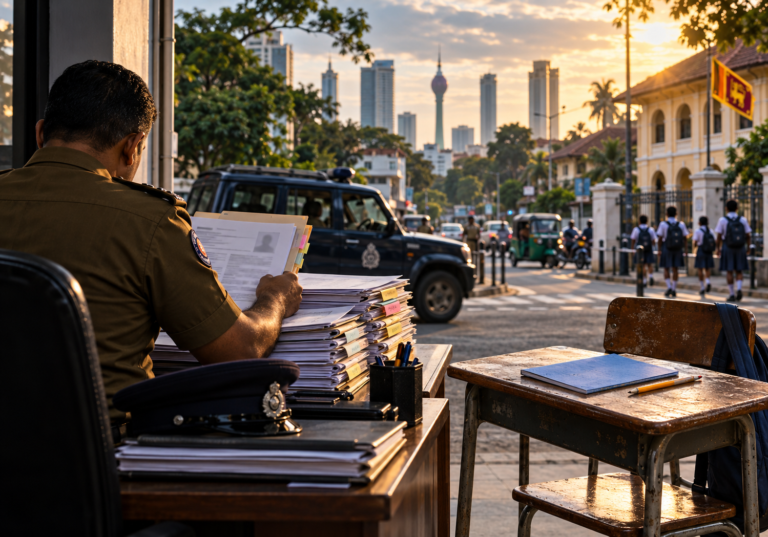
The third interim report, prepared by Professor Raj Somadeva and archaeologist Anusha Wanninayake, was submitted to the Jaffna Magistrate’s Court on 19 October 2026.
The research team examined the arrangement of skeletal remains, associated artefacts, soil layers and evidence of previous disturbances.
Investigators documented 170 artefact entries, including personal ornaments, beads, rings, amulets and objects associated with burial practices.
The report noted that several bodies had been positioned in ways considered consistent with formal interment.
Evidence of overlapping graves also suggested that the area may have been used for burials over an extended period.
However, the researchers cautioned that their findings were provisional and insufficient to determine precisely when, how or why the individuals died.
Families Challenge Conclusions
A significant development occurred on 22 October when legal representatives of families of missing persons submitted a motion questioning the report’s interpretations and conclusions.
Attorney-at-Law Kasthury Ahalankan, representing affected families, argued that the findings did not adequately address material evidence surrounding the discovery and distribution of the skeletal remains.
The families questioned the classification of the excavation area as an ordinary burial ground and called for evidence establishing whether the precise location had been legally designated for burials.
They also challenged the omission of the expression mass grave from the latest report, noting that the terminology had appeared in earlier documentation.
The objections extend beyond language.
The families argue that the site’s historical context, the depth of the burials, the arrangement of remains and the circumstances of their discovery require more extensive examination before conclusions can be reached.
Questions About the High Number of Children
One of the most troubling aspects of the investigation is the concentration of infants and children.
The archaeological team suggested that large numbers of deaths could conceivably have resulted from an epidemic, natural disaster or another episode of exceptional mortality.
However, the report did not present laboratory confirmation of disease, scientific dating of the remains or forensic findings establishing the causes of death.
The affected families have challenged the suggestion that a natural catastrophe could explain the burials without supporting scientific evidence.
Their court submission called for further examination of the skeletal remains and surrounding archaeological material.
Human Rights Questions Remain Unanswered
Chemmani has long occupied a significant place in discussions surrounding enforced disappearances and alleged extrajudicial killings during Sri Lanka’s civil war.
Previous investigations in the area heightened concerns about the fate of missing civilians.
The present excavation, however, must be assessed on its own forensic evidence.
Neither the discovery of a large number of remains nor the presence of burial artefacts independently establishes whether the deaths resulted from natural causes, violence or other circumstances.
Similarly, evidence suggesting formal burial practices cannot, by itself, resolve questions about the identity of the deceased or the events preceding their deaths.
Further Scientific Analysis Required
The archaeological team has acknowledged that additional laboratory work, skeletal examinations, soil analysis and investigation of unexcavated areas are necessary before definitive conclusions can be reached.
Ground surveys have also identified anomalies suggesting that the area of archaeological interest may extend beyond the excavation trenches already examined.
The dispute now before the Jaffna Magistrate’s Court concerns not merely how the remains were buried, but whether the existing evidence is sufficient to support any comprehensive historical explanation.
Until the identities of the deceased, the chronology of the burials and the causes of death are established, the central questions surrounding Chemmani will remain unresolved.
Sources
- The Morning — Chemmani Excavations: Inside the Third Interim Report, 25 October 2026
- Jaffna Monitor — Chemmani Report Finds Nearly Two-Thirds Were Children, 21 October 2026
- Jaffna Monitor — Families Challenge Archaeologist’s Report, 23 October 2026
- The Sunday Times — Chemmani Interim Findings, 25 October 2026