Five consecutive weeks of foreign investor withdrawals from Sri Lanka’s government securities market have intensified concerns over currency stability, international investment sentiment and the country’s economic recovery.
Sri Lanka has recorded net foreign investment outflows of Rs. 42.5 billion from rupee-denominated government securities over seven weeks, with overseas investors continuing to reduce their exposure to the domestic bond market.
According to Central Bank data reported by EconomyNext, foreign investors recorded net sales of approximately Rs. 8.58 billion in the latest reporting week, extending the period of consecutive withdrawals to five weeks.

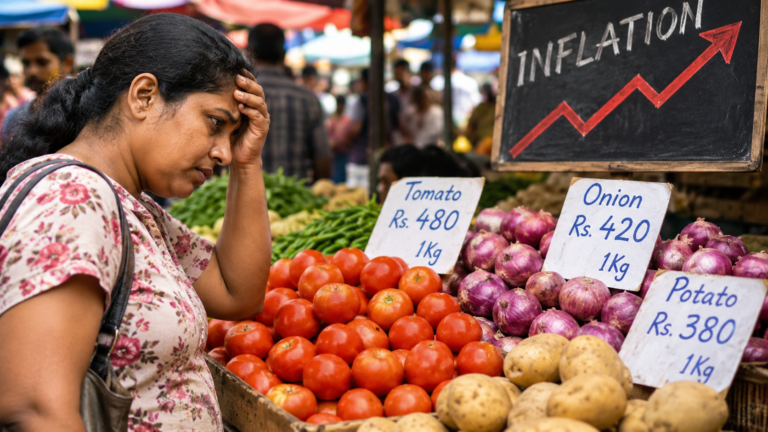
The developments come amid renewed pressure on the Sri Lankan rupee, higher inflation and uncertainty surrounding international economic conditions.
Currency Depreciation Adds to Investment Risks
Foreign investors purchasing Sri Lankan government securities must consider both interest earnings and fluctuations in the exchange rate.
Even when domestic bonds offer attractive returns, depreciation of the rupee can reduce the value of those investments when converted into foreign currencies.
Rising import expenditure and international economic uncertainty can also influence investor decisions.
However, the recent withdrawals do not necessarily indicate a wholesale departure of international investors from Sri Lanka.
Despite the latest selling trend, foreign investment in local currency bonds remained positive on a cumulative basis for 2026, with net inflows of approximately Rs. 29.6 billion recorded up to November 19.
This compares with net inflows of Rs. 71.5 billion during 2025.
Implications for Government Borrowing
A sustained reduction in foreign demand for government securities could contribute to upward pressure on bond yields, depending on domestic demand and wider monetary conditions.
Higher borrowing costs would potentially complicate the government’s efforts to manage public debt and maintain fiscal discipline.
The challenge for Sri Lanka is to maintain an investment environment that balances attractive returns with currency stability, credible economic policies and predictable financial conditions.
While the latest outflows warrant close monitoring, their longer-term significance will depend on whether foreign investors resume purchasing government securities or continue reducing their exposure in the coming months.