A storm of discontent is gathering among Colombo’s foreign diplomatic circles as frustration over Sri Lanka’s bureaucratic machinery reaches a boiling point. Described as broken, deliberately obstructive, and increasingly politicized, the country’s bureaucratic system is now under intense scrutiny from key donor nations — who warn that unless sweeping reforms are undertaken, Sri Lanka risks losing more than development aid. It may lose international allies altogether.
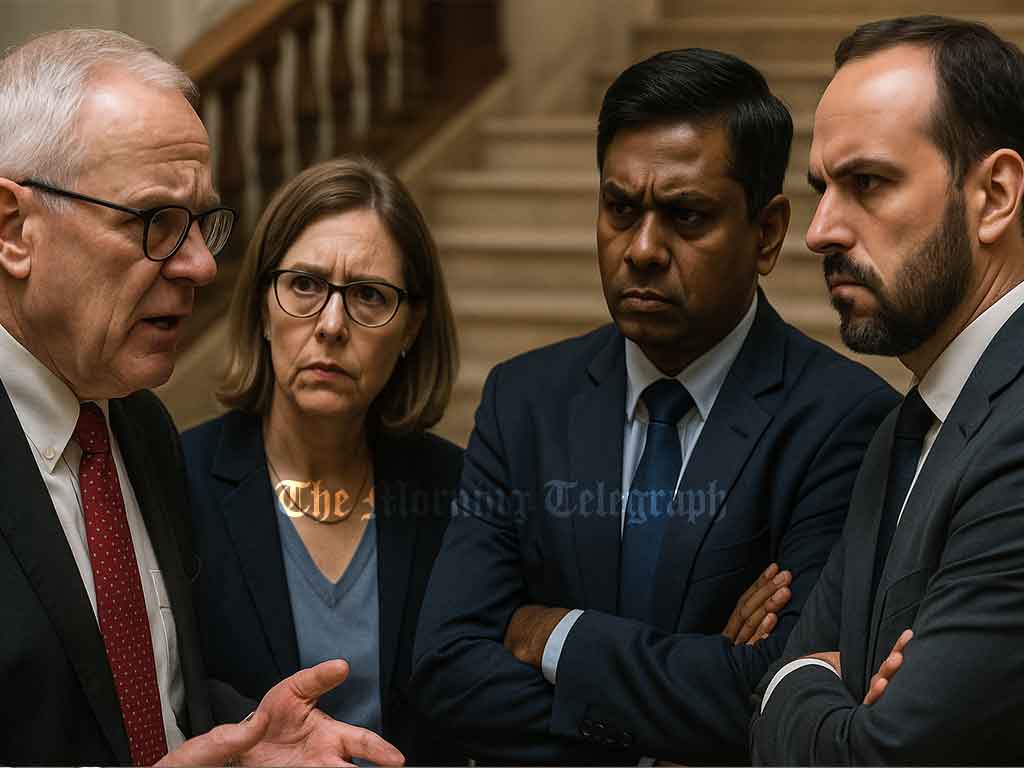
In private conversations, several senior diplomats delivered blistering critiques of the current administration’s failure to act. One Western envoy described the situation not as administrative delay but as “wilful stagnation.”
“Nearly three years ago, my predecessor signed significant agreements aimed at deepening cooperation between our two countries,” said the diplomat. “To this day, not a single step has been taken. Every time I follow up, I’m told the paperwork is still pending. That’s not inefficiency that’s deliberate sabotage of progress.”
Foreign missions revealed that this is not an isolated incident. Across multiple sectors including education, infrastructure, and skill-building donor-backed initiatives have stalled indefinitely. Ambassadors describe an entrenched pattern of obstruction, where vital community-based programs are strangled by red tape, political interference, or simply ignored.
The situation escalated further with revelations of a new, deeply controversial tax policy.
Diplomats say Sri Lankan authorities have begun imposing taxes on donated goods a practice they describe as both unprecedented and unethical. Regardless of whether the items are medical equipment, food supplies, or school materials, foreign aid is now being taxed before reaching intended beneficiaries.
“This simply doesn’t happen anywhere else in the world,” said a senior diplomat representing a major Western nation. “If there is a loophole in the system that allows donated goods to be misappropriated, then fix the loophole. But penalizing donors for trying to help vulnerable communities? That’s indefensible.”
Behind this problem lies something deeper what multiple diplomats have called a “systemic rot” within Sri Lanka’s administrative framework.
Foreign-funded training and educational missions meant for underprivileged Sri Lankans are reportedly being hijacked by politically connected individuals or misused by bureaucrats for personal enrichment. Multiple sources cited the Department of External Resources (ERD) as a particularly problematic institution, where officials have allegedly turned international training trips into frequent taxpayer-funded holidays.
“It was disgraceful,” said one retired diplomat. “Before I was pushed out of service, I saw junior ERD officials taking trip after trip abroad not to learn, but to relax on donor-funded junkets. These weren’t missions; they were vacations, and the public paid for it.”
In response, senior envoys are now demanding a full-scale forensic audit of the ERD, covering no less than 15 years of records. The aim is to uncover how donor funds, training opportunities, and foreign cooperation have been diverted or abused.
“This is not just a corruption issue,” another diplomat explained. “This is exclusion by design. Certain cliques have cornered access to international programs, even handing them out to their own family members. Neither donors nor the people we intend to help are seeing any benefits. Sri Lanka’s global reputation is being destroyed from the inside out.”
The timing of these revelations is especially perilous. With international assistance already shrinking amid the island’s economic turmoil, donor nations warn that future cooperation is at risk unless immediate transparency and accountability measures are adopted starting with the ERD and similar institutions.
And in a warning that echoes with diplomatic urgency, one envoy left no doubt about the stakes:
“If Sri Lanka doesn’t clean up this internal mess, it won’t just lose aid. It will lose allies.”