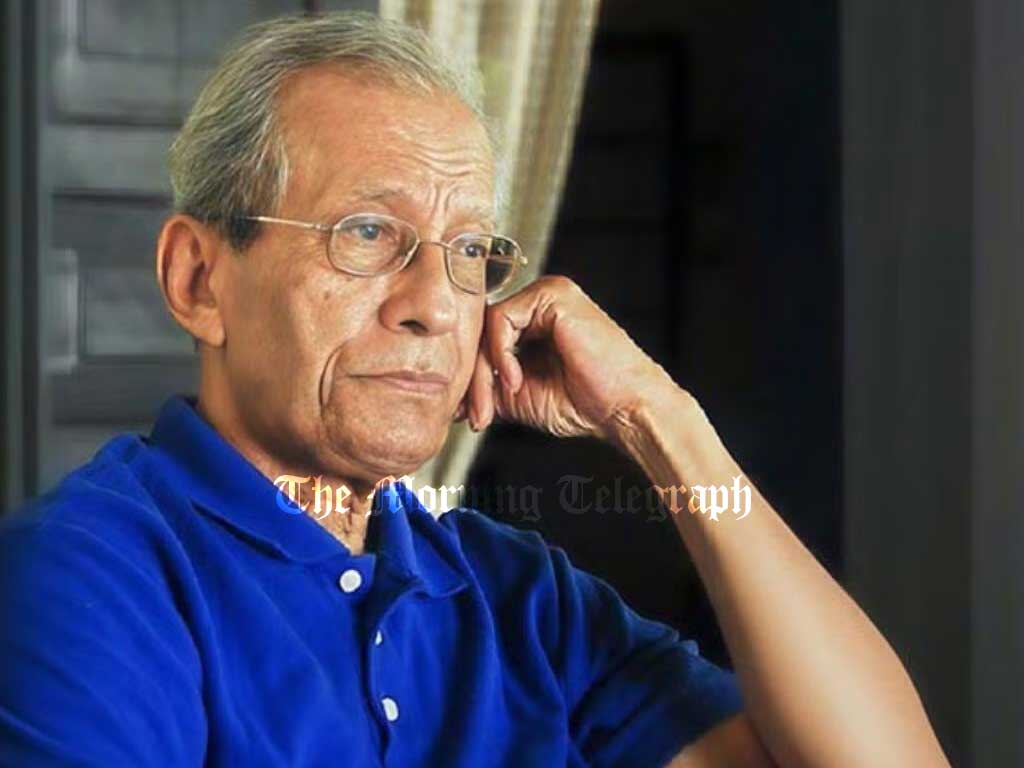
Bradman Weerakoon’s passing marks the end of a golden era in Sri Lanka’s public service. From Temple Trees to timeless prose, Weerakoon served nine prime ministers with wit, loyalty, and a pen that shaped history. Here’s a tribute to the bureaucrat who stood tall amid storms of politics, power, and principle.
Deshamanya Bradman Weerakoon’s passing marked the closing of a defining era in Sri Lanka, one shaped by bureaucratic brilliance and political resilience. Named after cricketing legend Donald Bradman by his father, Weerakoon carried the spirit of excellence from the pitch to the public service, navigating Sri Lanka’s stormy political waters without ever losing his wicket.
Educated at S. Thomas’ College, Mount Lavinia, and the University of Ceylon, Bradman joined the elite Ceylon Civil Service in 1954. He considered his formative cadetship under legends like Sherly Amerasinghe the best learning phase of his life before entering Temple Trees, which would become his long-term seat of influence.
His career reflected the transformation from colonial ethos to national service, as British-trained civil servants realigned with the newly independent state. The early cadre, mainly from Oxford and Cambridge, gradually gave way to homegrown talent like Bradman, who embodied integrity and modesty, a remnant of Ceylon’s bureaucratic golden age, later threatened by a decline in political morality.
After brief stints in the provinces, Bradman became assistant secretary to Sir John Kotelawala in 1955. From there, he served every Sri Lankan prime minister, except during a political exile under Sirimavo Bandaranaike from 1970 to 1977, allegedly in retaliation for his court testimony against her brother Macky Ratwatte. It was a turning point, showing how Sri Lanka’s politicization was beginning to erode state neutrality.
A prolific author as well, Bradman chronicled history, urban life, and power politics with clarity and humor. His standout work, “Rendering unto Caesar,” dissected the blunders of Sri Lanka’s leaders from SWRD Bandaranaike’s divisive populism to JR Jayewardene’s fatal indecision during the 1983 riots. The book is revered for its wit and insight, illustrating Bradman’s deep political understanding.
Bradman’s admiration extended to leaders like Dudley Senanayake, whom he considered affable, and Sirimavo Bandaranaike, whom he respected for her political tenacity. Her nephew Felix Dias Bandaranaike, a key power player, set the tone for dynastic politics that Bradman viewed critically. Even during transfers meant as punishments, Bradman endured with stoic grace, immersing himself in village life.
Under President R. Premadasa, Bradman became a speechwriter and strategist, even ghostwriting the premier’s major addresses. He lauded Premadasa’s work ethic but faced criticism for penning his biography, seen by some as politically servile. Dr. Wickrema Weerasooriya later countered with a booklet revealing lesser-known facets of Premadasa’s rise.
Still, Bradman’s influence endured. His brother Ronny was appointed ambassador to Egypt, and his son Esala joined the foreign service, both moves linked to Bradman’s loyal service. In retirement, he remained active with the Royal Asiatic Society, contributing to scholarly life with the same devotion he showed in public office.
To quote Marcus Antony from Julius Caesar, “The evil that men do lives after them; the good is oft interred with their bones.” But Bradman’s legacy is the exception. His story is not one of vanity, but service a tribute to his father’s foresight in naming him after a legend. He played a remarkable inning, right to the very last.