Former Sri Lankan President Mahinda Rajapaksa agrees to vacate his official residence once a new law is passed in Parliament. His son, MP Namal Rajapaksa, defends the need for continued security for both current and former presidents, citing threats even after leaving office. The move aligns with proposed reforms targeting state privileges.
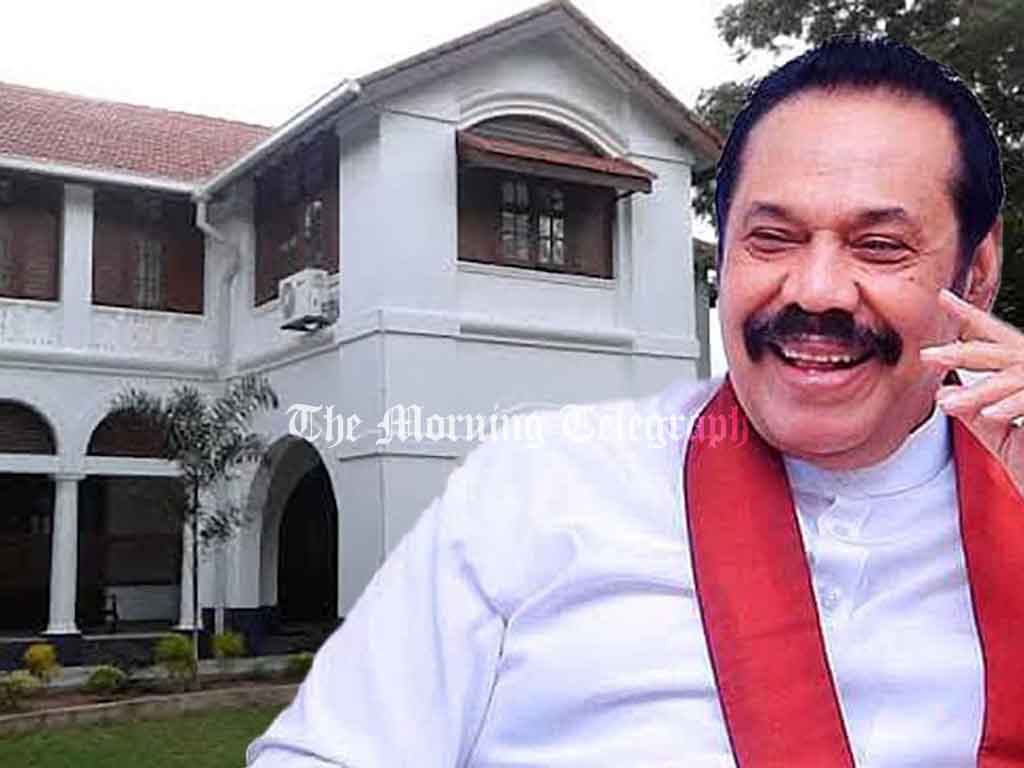
Former President Mahinda Rajapaksa has announced his willingness to vacate the official residence he currently occupies once the new legislation proposed in Parliament is passed into law, according to his son, Member of Parliament Namal Rajapaksa.
Speaking on behalf of the former President, Namal emphasized that his father is not occupying the residence unlawfully. Rather, he continues to reside there based on entitlements provided by the Constitution of Sri Lanka.
However, once the new bill is approved and enacted, Mahinda Rajapaksa is prepared to comply with the law and leave the official residence accordingly, Namal stated.
The MP noted that when an executive president is required to make difficult or controversial decisions during their term, they may face significant security threats after leaving office. Therefore, he argued that some level of state-provided security and housing is necessary for former presidents, including the current one once they eventually step down.
Namal questioned how President Anura Kumara Dissanayake would handle security risks from criminal elements such as the underworld after finishing his term, particularly if he aggressively targets them during his presidency.
He stated that the current constitutional provisions have been in place to protect former presidents and ensure they can govern decisively without fearing for their safety once out of office.
Namal further clarified that Mahinda Rajapaksa is not demanding any special privilege beyond what was already constitutionally guaranteed. Nevertheless, the family is willing to abide by the law if Parliament enacts the new bill, signaling a readiness to adapt to changing legal standards regarding official state privileges for retired leaders.