Colombo has transformed into a city under siege as crowds rally for Ranil Wickremesinghe, riot police line the streets, and courtrooms and hospitals are locked down. Supporters call it a fight for democracy, critics call it political theatre, and the government calls in water cannons to prove its point.
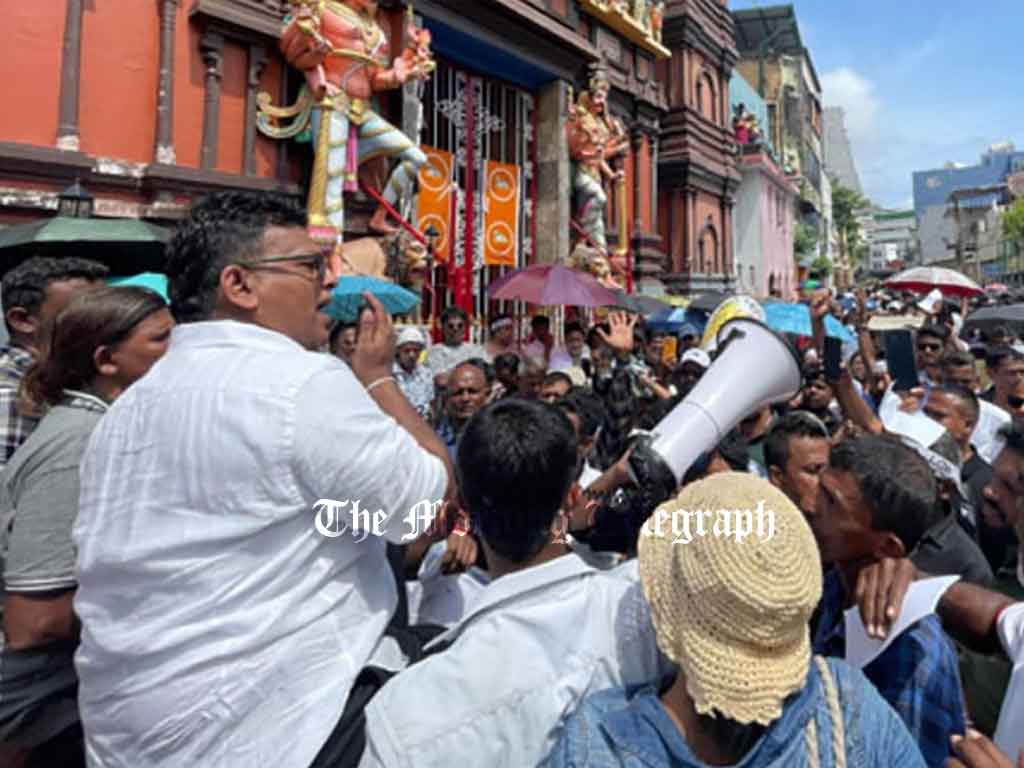
Colombo witnessed unprecedented tension today as former President Ranil Wickremesinghe’s case returned to the Fort Magistrate’s Court, drawing thousands of supporters and triggering a massive security clampdown across the capital.
Crowds gathered outside the Colombo National Hospital, the Presidential Secretariat, and the Fort Magistrate’s Court in a show of solidarity with Wickremesinghe, who remains in the intensive care unit of the National Hospital following his arrest on August 22. He was charged under the Public Property Act for allegedly misusing state funds to attend his wife’s graduation ceremony in London while returning from an official trip to New York.

Supporters poured into Colombo under the opposition’s call to “stand against repression.” The result was chaos: roadblocks, barricades, and tightly restricted access to Kew Street near the courthouse. Protesters attempted to storm police barriers from Barracks Mawatha, sparking confrontations with security forces. Riot control units, water cannons, and tear gas were placed on high alert as chants echoed through the streets.
At Aluthgama, groups of demonstrators climbed roadblocks and staged loud roadside rallies, holding placards reading “For Ranil, who raised the fallen country” and “Let’s defeat corrupt politics.” Bands emblazoned with “Against repression” tied around their foreheads, protesters vowed to sacrifice themselves for the leader they credit with saving Sri Lanka during its darkest economic collapse.
Meanwhile, heavy security blanketed the JVP headquarters in Pelawatta, Battaramulla, where police and Special Task Force officers took up positions amid fears of counter-demonstrations. Multiple roads leading to the court were sealed, and entry was permitted only to a handful of people cleared by authorities.
Wickremesinghe, despite being absent due to hospitalization, remains at the heart of the storm. His case has become more than a legal battle, it is a political flashpoint, mobilizing supporters, enraging opponents, and leaving Colombo residents trapped in a city that feels more like a battlefield than a capital.
The proceedings, already marred by accusations of political revenge, now carry the weight of a nation divided between calls for accountability and demands for justice. The question remains: is this democracy in action, or just another act in Sri Lanka’s long-running play of political theatre?