A high-stakes diplomatic standoff unfolds as Iran resists U.S. pressure, oil routes tighten, and global markets brace for the next move in a fragile ceasefire.
Iranian Foreign Minister Abbas Araqchi outlined Tehran’s firm stance and growing reservations over U.S. proposals on Saturday, as Islamabad became the center of renewed efforts to end a conflict that has already claimed thousands of lives and disrupted global economic stability. The latest round of geopolitical tensions has placed global oil markets, inflation trends, and international diplomacy under intense pressure.

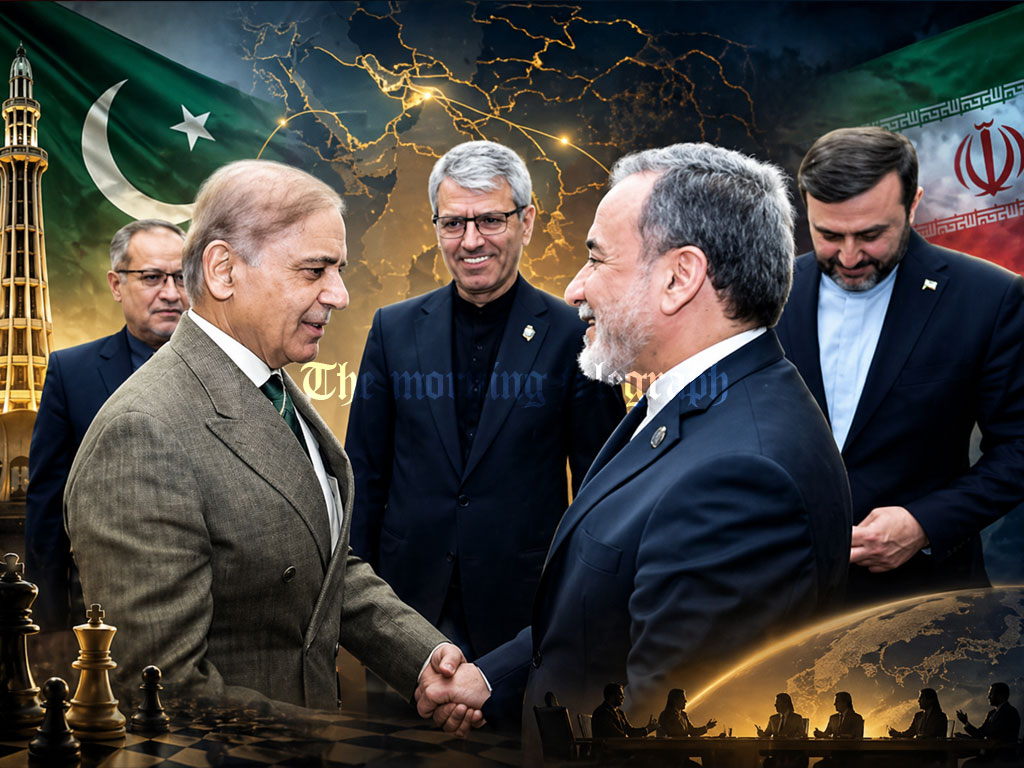
While specific details of the diplomatic engagement remained limited, Araqchi held discussions with Pakistani Prime Minister Shehbaz Sharif and other senior officials. The White House had earlier indicated that U.S. President Donald Trump’s special envoy Steve Witkoff, along with senior advisor Jared Kushner, would travel to Pakistan for negotiations. However, Iran has made it clear that it is not prepared to engage in direct talks with the United States at this stage.
The situation remains tense as Washington and Tehran continue to clash over strategic and economic control points. Iran’s effective closure of the Strait of Hormuz, a vital global oil shipping route responsible for nearly 20 percent of world oil supply, has triggered alarm across energy markets. Simultaneously, U.S. sanctions and restrictions on Iranian oil exports have deepened the economic standoff, further complicating global trade and supply chains.
The conflict itself, now under a temporary ceasefire, began on February 28 with coordinated airstrikes by U.S. and Israeli forces targeting Iranian positions. Since then, Iran has retaliated with strikes against Israel, U.S. military bases, and Gulf region targets. The escalation has driven crude oil prices to multi-year highs, intensifying inflation concerns and slowing global economic growth projections.
According to a statement shared via Araqchi’s official Telegram account, the Iranian Foreign Minister reiterated the country’s “principled positions” regarding the ceasefire and the necessity of bringing what he described as an imposed war to a complete end. Iranian officials have emphasized sovereignty, security guarantees, and the rejection of external pressure as key pillars of their negotiation stance.
A diplomatic source in Islamabad further clarified Iran’s position, stating that Tehran will not accept what it considers excessive or one-sided demands from the United States. This reflects a broader resistance to what Iran views as attempts to impose conditions that undermine its national interests and strategic autonomy.
On the U.S. side, Defense Secretary Pete Hegseth signaled that Washington still sees room for a negotiated outcome. He stated that Iran has an opportunity to reach a favorable agreement, but stressed that any deal must include verifiable commitments regarding nuclear development. The U.S. continues to push for strict controls to prevent Iran from advancing its nuclear capabilities.
Despite ongoing tensions, Iran has opted to communicate its concerns through Pakistan, which is acting as a key diplomatic mediator. Iranian officials have confirmed that no direct meetings with U.S. representatives are planned at this stage, highlighting the fragile and indirect nature of the negotiation process.
Adding another layer to the evolving situation, President Trump suggested that Iran may be preparing a proposal aimed at addressing U.S. concerns, though details remain unclear. Meanwhile, White House Press Secretary Karoline Leavitt indicated that Washington has observed some positive signals from Tehran in recent days and is cautiously optimistic about further progress. Reports also suggest that Vice President JD Vance may travel to Pakistan if talks advance.
Amid the diplomatic maneuvering, signs of limited normalization have begun to emerge. Following the extension of the ceasefire, international flights resumed from Tehran’s Imam Khomeini International Airport on Saturday. Initial departures included flights to Medina, Muscat, and Istanbul, signaling a gradual reopening of air travel after weeks of disruption.
Passengers expressed cautious optimism as operations resumed, noting that the return of flights would help revive trade, employment, and everyday life. However, the broader aviation sector continues to face challenges, as Iranian airspace has remained largely restricted since the onset of hostilities. The conflict has forced the cancellation, rerouting, and rescheduling of tens of thousands of flights globally, significantly impacting Middle Eastern air corridors due to ongoing missile and drone threats.
As ceasefire conditions hold for now, the world watches closely. With energy markets volatile, diplomatic channels strained, and geopolitical risks still high, the outcome of these Islamabad talks could shape not only the future of the Iran U.S. conflict, but also the stability of global trade, oil supply chains, and economic recovery.