Sri Lanka energy crisis remains a concern despite government cost support, PM Harini says, urging vigilance and energy conservation.
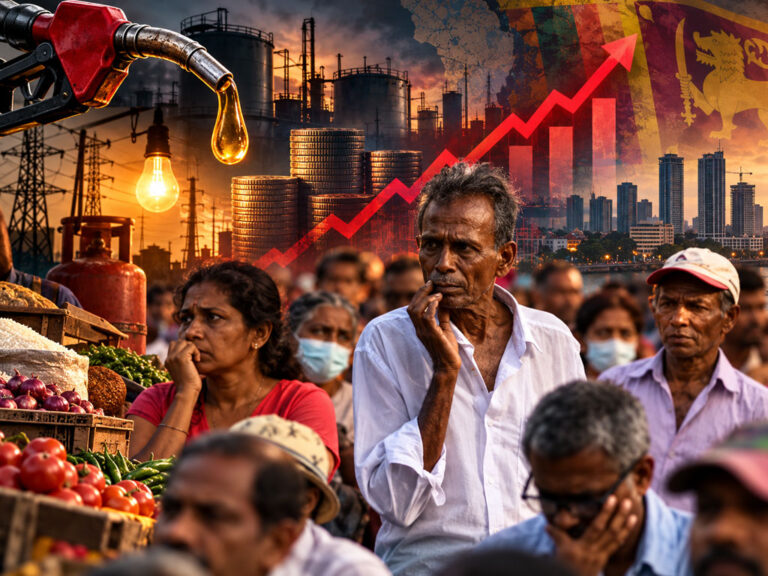
Sri Lanka energy crisis management has eased pressure on the public, but Prime Minister Harini Amarasuriya warned that the crisis is still not over.
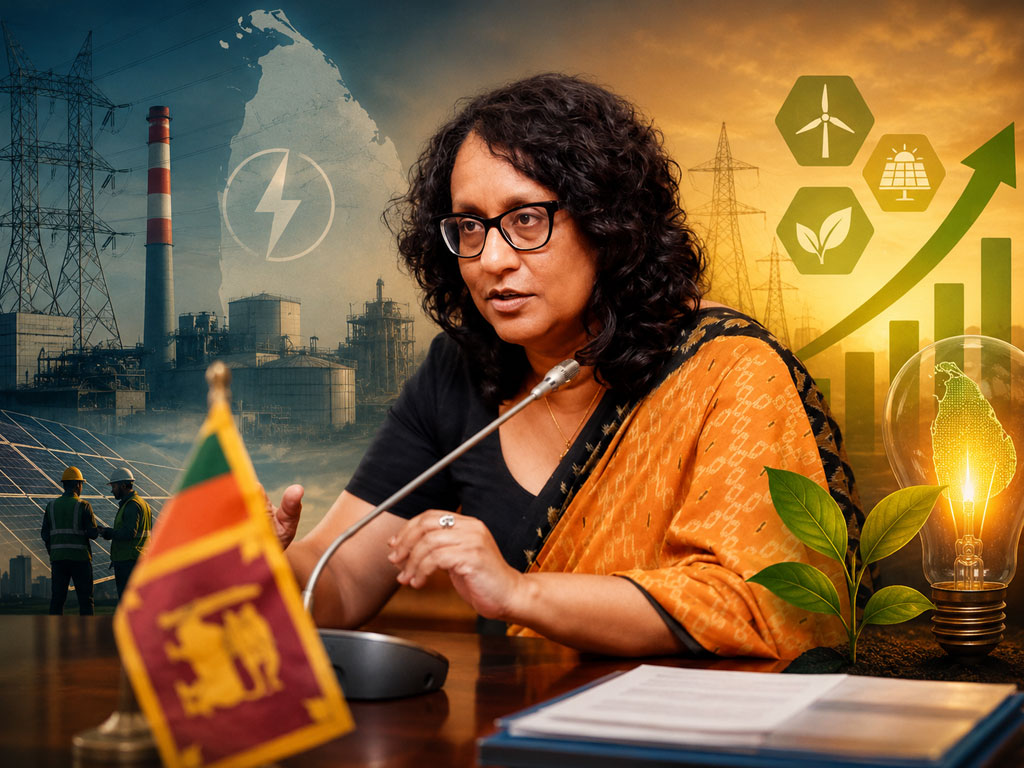
Speaking at the sixth meeting of the committee appointed to ensure the uninterrupted functioning of the public service, held at the Prime Minister’s Office, the Prime Minister said the government had absorbed crisis-related costs instead of passing them on to the people.
“We have exercised a sustainable energy management process with the government bearing the cost without burdening the public,” she said.

The meeting focused on sustainable energy management and future measures to be implemented in the sector.
The Prime Minister said Sri Lanka had managed the crisis effectively compared to several other countries where fuel queues and power cuts continue.
However, she stressed that continuous vigilance remains necessary because the crisis has not yet ended.
She also highlighted the importance of ensuring uninterrupted electricity supply during Vesak Week.
During the meeting, officials decided to appoint an “Energy Manager” for every government institution to promote energy conservation in the public sector and encourage a shift towards renewable energy sources.
Discussions were also held on converting government buildings under the Green Building Concept as part of the “Clean Sri Lanka” national programme.
Attention was drawn to the possibility of future fuel concessions and replacing the current odd-even fuel distribution system with a QR code-based method, while also increasing fuel quotas.
Officials informed the meeting that sufficient fuel stocks are available until August, and that requests have already been submitted for fuel requirements for the remaining months of the year.
The meeting also focused on programmes to promote sustainable electricity consumption management, including awareness campaigns for schoolchildren on energy conservation under the Clean Sri Lanka initiative.
Measures to identify and recognise households that effectively manage electricity consumption were also discussed.
Officials also considered ways to educate students on electricity management methods.