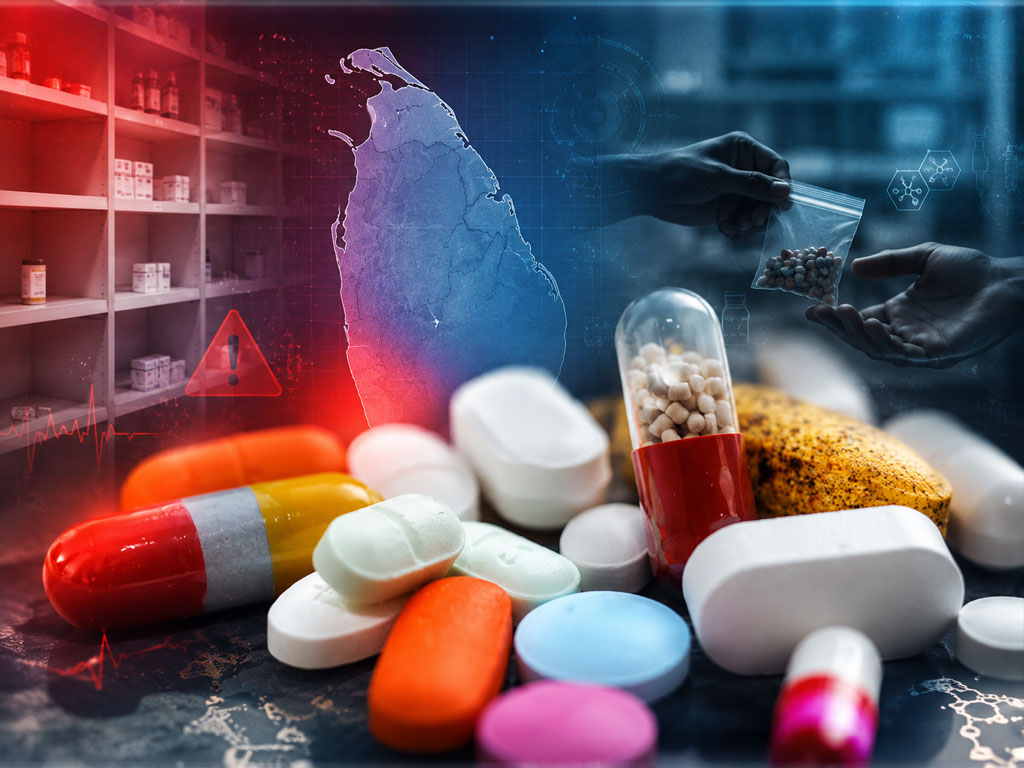
Sri Lanka medicine shortage affects over 40 essential drugs as doctors warn of delayed approvals, black market sales and risks to patients.
A severe Sri Lanka medicine shortage has left more than 40 essential drugs unavailable, while approvals for modern treatments, including a dengue vaccine, remain delayed.
The Alliance of Medical Professional Trade Unions for Health and Civil Rights raised the warning, saying the shortages threaten patients with serious illnesses.
Its chairman, Specialist Dr. Chamal Sanjeewa, said the nearly two-year delay in introducing the Qdenga dengue vaccine was a major concern. He noted that the vaccine is used internationally.
Dr. Sanjeewa called for an immediate investigation into whether the National Medicines Regulatory Authority has deliberately delayed approval.
Get
Breaking News
First
on WhatsApp
Follow The Morning Telegraph for instant alerts, top stories and exclusive updates delivered straight to your phone.

Sri Lanka Medicine Shortage Threatens Patients
More than 40 medicines have remained scarce across the hospital system for an extended period, according to the alliance.
They include Oxaliplatin, which is essential for cancer treatment, and Filgrastim, which supports white blood cell growth.
Dr. Sanjeewa said these shortages place people with severe medical conditions at grave risk.
He also raised concerns about modern injections such as Mounjaro, which is used internationally to manage diabetes and obesity.
Although the medicine has not received official approval in Sri Lanka, he alleged that it remains available at black market prices through pharmacies.
“While authorized agents wait for legal approval, black marketeers bring these in through illegal channels without even proper refrigeration facilities and sell them. If a patient dies using such medicines, who will take responsibility?” he asked.
The alliance also said price controls imposed by the National Medicines Regulatory Authority have affected private hospitals.
According to doctors, some hospitals cannot use high-quality chemical reagents because of those controls. As a result, they allege that laboratory report quality has declined.
They warned that inaccurate diagnostic reports could place patients at risk and, in serious cases, contribute to deaths.
Doctors Propose Five Urgent Reforms
Specialist doctors have proposed five measures to address the crisis.
First, they want an online tracking system that allows the public to monitor medicine registration and approval.
Second, they propose fast-track approval for medicines already cleared by international authorities, including the World Health Organization and the FDA, without years of repeated local testing.
Third, they want a WHO-standard laboratory to test every category of imported medicine before products enter the market.
Fourth, they have called for continuous raids against illegal medicine trafficking and black market distribution across the country.
Finally, the doctors want a scientific, flexible pricing formula linked to the value of the dollar and international market prices.
They say these reforms would improve transparency, protect medicine quality and reduce risks to patients while addressing the Sri Lanka medicine shortage.