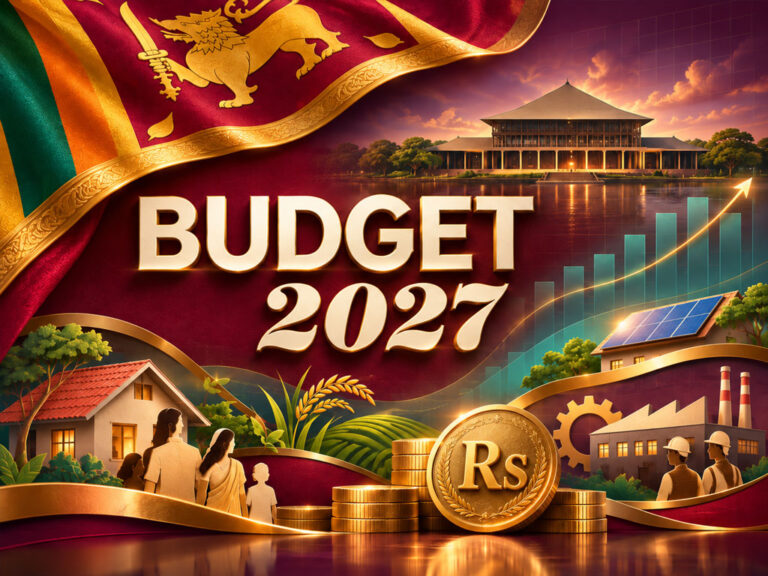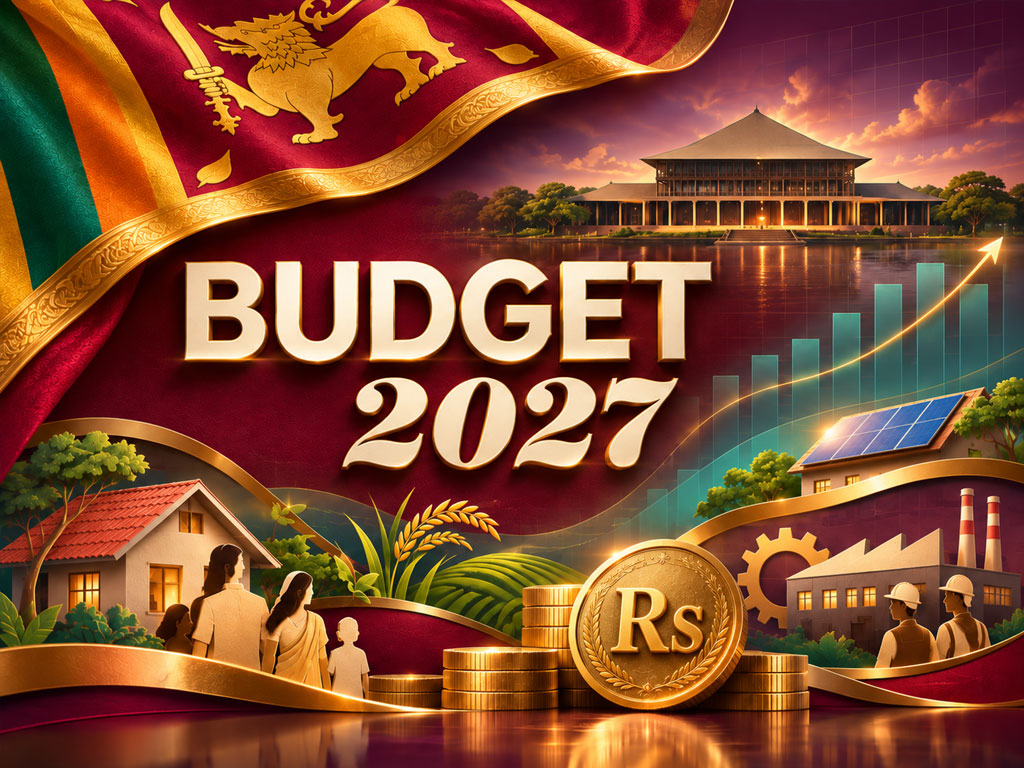
COLOMBO — President Anura Kumara Dissanayake’s government faces a difficult balancing act when it presents Sri Lanka’s 2027 Budget to Parliament on November 12, with expectations of tax relief and increased welfare spending competing against commitments to maintain fiscal discipline under the International Monetary Fund (IMF) programme.
The National People’s Power (NPP) administration must address the financial pressures facing households and businesses while safeguarding the economic stability achieved since Sri Lanka’s financial crisis.
The Budget will also provide an indication of how the government intends to move from emergency economic stabilisation towards investment, employment generation and sustainable development.
Sri Lanka’s approximately US$3 billion IMF Extended Fund Facility, approved in March 2023, has been central to the country’s economic recovery. Its fiscal requirements remain an important consideration in determining how much additional relief the government can afford.

Tax Relief and Broadening the Revenue Base
The government has signalled its intention to reduce the tax burden where possible while strengthening revenue collection and widening the tax base.
Treasury Secretary Dr. Harshana Suriyapperuma faces the challenge of reconciling these objectives with the government’s expenditure commitments.
One proposal attracting considerable attention is a further increase in the monthly personal income tax-free threshold from Rs. 150,000 to Rs. 200,000.
The threshold was previously raised from Rs. 100,000 to Rs. 150,000, providing relief to salaried employees.
A further increase would reduce income tax liabilities for some middle-income earners, although the benefit would depend on individual earnings and the final tax structure.
For households facing higher electricity, transport and education expenses, additional disposable income could provide welcome financial breathing space.
Any changes to corporate taxation or the Social Security Contribution Levy will also need to be assessed against the government’s revenue requirements.
Welfare, Solar Power and Employment
Targeted assistance for lower-income households is another priority under consideration.
Proposals include fuel and electricity relief for vulnerable families, fishing communities and small-scale farmers, alongside further support through the Aswesuma welfare programme.
Renewable energy incentives are also expected to feature in the Budget.
Energy Minister Anura Karunathilaka has indicated that concessions for household solar battery storage systems will be announced, potentially reducing the initial cost of investing in domestic energy storage.
Additional support for information technology, vocational education and professional skills development is expected to focus on improving employment opportunities for young Sri Lankans.
These measures could contribute to economic growth, but their effectiveness will depend on implementation, funding and the extent to which assistance reaches intended beneficiaries.
The Challenge of Maintaining the IMF Primary Surplus
The central fiscal challenge is how to finance additional relief without undermining the government’s commitments to the IMF.
Sri Lanka’s programme предусматриes a return to a primary surplus of 2.3% of gross domestic product in 2027.
A primary surplus occurs when government revenue exceeds expenditure before interest payments on public debt.
Maintaining that position while reducing selected taxes and increasing targeted expenditure will require careful prioritisation.
Stronger tax compliance, fewer unjustified exemptions and more effective action against revenue leakages could help create fiscal space without relying exclusively on higher tax rates.
The government must also demonstrate that improved revenue collection can support essential public services, social protection and investment without jeopardising debt sustainability.
The November 12 Budget will therefore be judged on more than the relief measures it announces. Its credibility will depend on whether the proposed benefits are affordable, appropriately targeted and compatible with Sri Lanka’s longer-term financial commitments.