Sri Lanka’s decision to allocate over 3,000 acres to India in Trincomalee for industrial, energy, and infrastructure projects has triggered major political outcry. Wasantha Mudalige warns that the land transfer, which includes oil tanks, power plants, and a planned expressway, could displace fishing communities and turn the historic region into a playground for Indian investors.
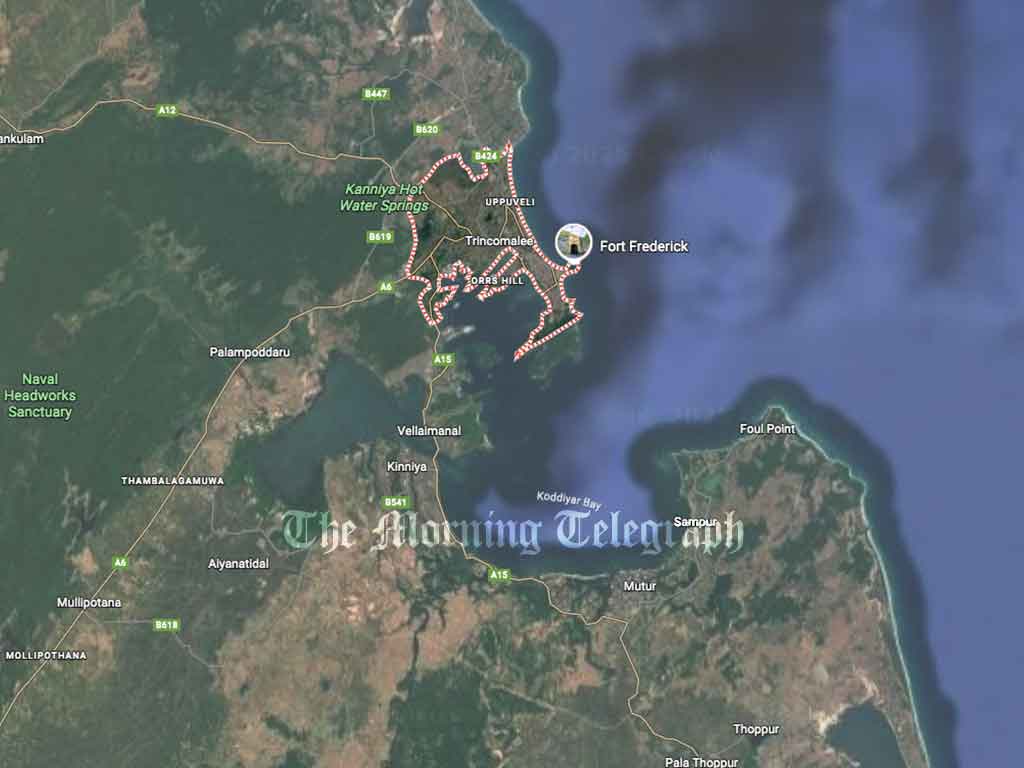
The Sri Lankan government has initiated a controversial land transfer agreement with India, granting 3,071 acres across several areas in the Trincomalee district to Indian investors, according to Wasantha Mudalige, Executive Member of the National People’s Struggle Movement.
Speaking to the media, Mudalige claimed that nearly 620 square kilometers in Trincomalee equivalent to the size of Colombo city—have been marked as an exclusive Indian economic zone. The move has triggered concerns over sovereignty and the livelihoods of local communities.
Among the key areas mentioned in the proposed allocation:
- Trincomalee Oil Tank Complex: 851 acres, with 62 oil tanks already leased to India
- Sampoor Power Plant Site: 831 acres
- Sampoor Economic Zone: 900 additional acres
- Kuchchaveli: 100 acres designated for gem mining
- Muthunagar: 900 acres in total, with 800 acres earmarked for a solar power project
Mudalige alleged that India also plans to establish a major oil refinery in Trincomalee aimed at supplying fuel to the Colombo and Trincomalee Ports. Additionally, the agreement includes the construction of an expressway connecting Trincomalee to Mannar and the development of an international cricket stadium.
He further warned that fishing communities in the region are likely to be displaced, with parts of Trincomalee potentially turned into luxury zones for Indian investors’ leisure and entertainment.
While the full contents of the agreement have not been publicly released, critics fear the land handover could lead to long-term economic and political consequences, with growing calls for transparency and national accountability.