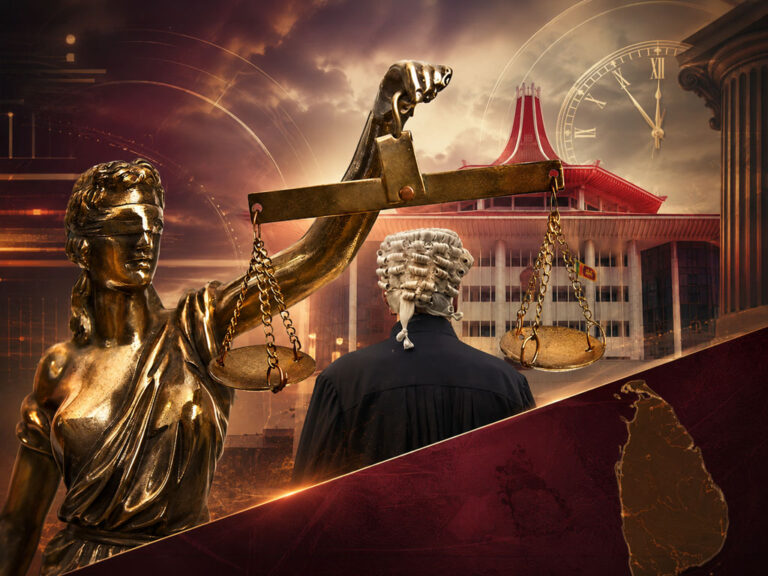
Sri Lanka’s Defense Secretary insists the mastermind of the Easter Sunday attacks has been identified, but as politicians and police bicker, the nation is still left asking the same haunting question: who really orchestrated the massacre?
The debate over accountability in Sri Lanka’s most devastating terror attack has reignited after Defense Ministry Secretary Ravi Seneviratne was reported to have confirmed that the mastermind behind the Easter Sunday bombings had been identified. The revelation came during his appearance before the Parliamentary Committee on High Officials to confirm his appointment as Defense Secretary, where according to Sri Lanka Muslim Congress General Secretary Nizam Kariyapper, Seneviratne’s closing words were, “We have already identified the mastermind.”

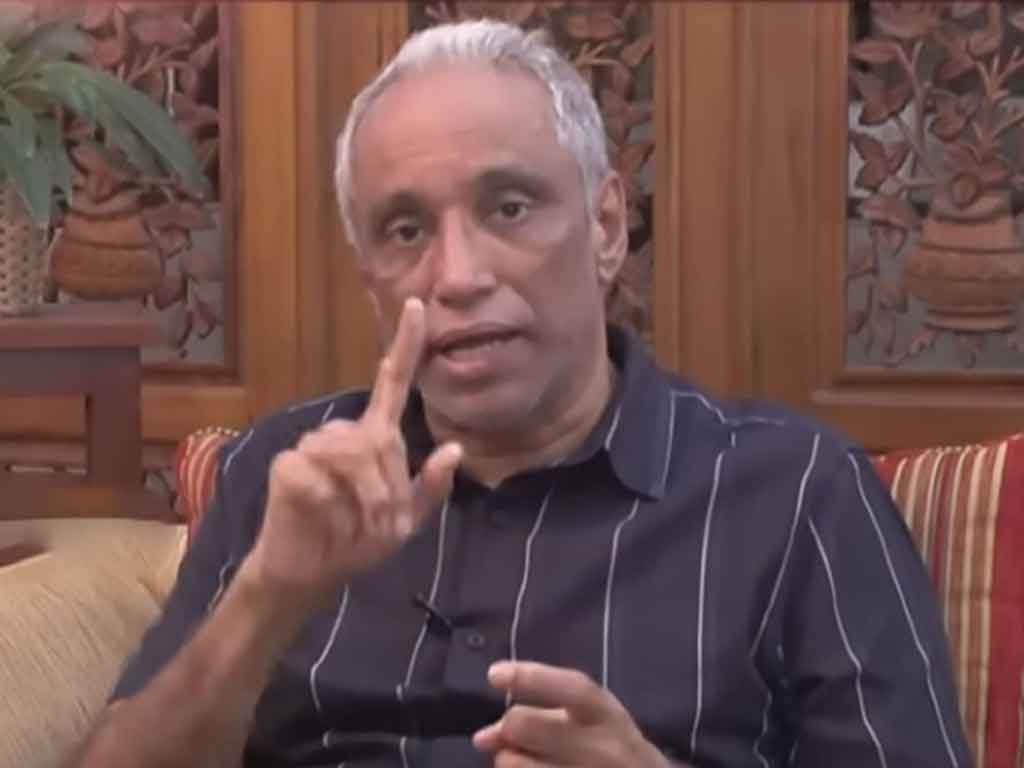
Kariyapper, who revealed this during a televised discussion on Hiru TV, argued that the statement was significant and could not be ignored. However, the Police Department quickly issued a counter statement, dismissing the claim as a “false report.” Kariyapper countered that the police response did not deny the accuracy of his tweet but instead only corrected a separate error made by another MP. He questioned whether Seneviratne made the claim in order to win over the committee and secure his appointment.
The issue has reignited public frustration because the Easter Sunday attacks of April 2019 left nearly 200 people dead and hundreds injured, yet the question of who truly masterminded the operation remains unanswered. Kariyapper stressed that the government has repeatedly promised to identify the central figure behind the bombings, but has failed to name names. He highlighted that many Muslim youths have languished in prison for years without closure, while the core question of leadership behind the massacre is still shrouded in secrecy.
Kariyapper further pointed out that senior officials including the Prime Minister and Minister Ratnayake were present during the committee meeting, yet none of them asked the obvious question: if the mastermind has been identified, then who is it? His comments reflected growing skepticism about the transparency of the investigation and whether political convenience is outweighing public accountability.
Adding to the controversy, Kariyapper noted that while MP Wasantha Samarasinghe suggested questioning the Defense Secretary, only the legitimate Chairperson of the committee has the authority to remove or interrogate him in that setting. He argued that as an elected public representative, it is his duty to inform citizens of such critical matters even if it brings political consequences.
He also made reference to the D35/8/2/24 case file, which he claimed contains undisclosed details about the Easter attacks. Although the authorities continue to claim the investigation is ongoing, Kariyapper warned that withholding crucial findings only deepens mistrust. For a nation that witnessed the horror of churches and hotels bombed on a single morning, vague assurances no longer suffice.
As the tug-of-war continues between Defense officials, police statements and political voices, the people of Sri Lanka are still left in the dark. The mastermind may have been “identified,” but until his name is made public, the ghosts of Easter Sunday will continue to haunt the island.