A proposed electricity policy is triggering alarm as Sri Lanka’s poorest power users face massive bill hikes while high-end consumers are set to receive major relief.
If the proposed National Electricity Policy prepared by the government is implemented, electricity consumers using between zero and thirty units will see their bills increase by as much as 305 percent, according to Sanjeewa Dhammika, Secretary of the Electricity Users Association. He warned that the policy would place a heavy burden on low income households who consume the least amount of electricity.

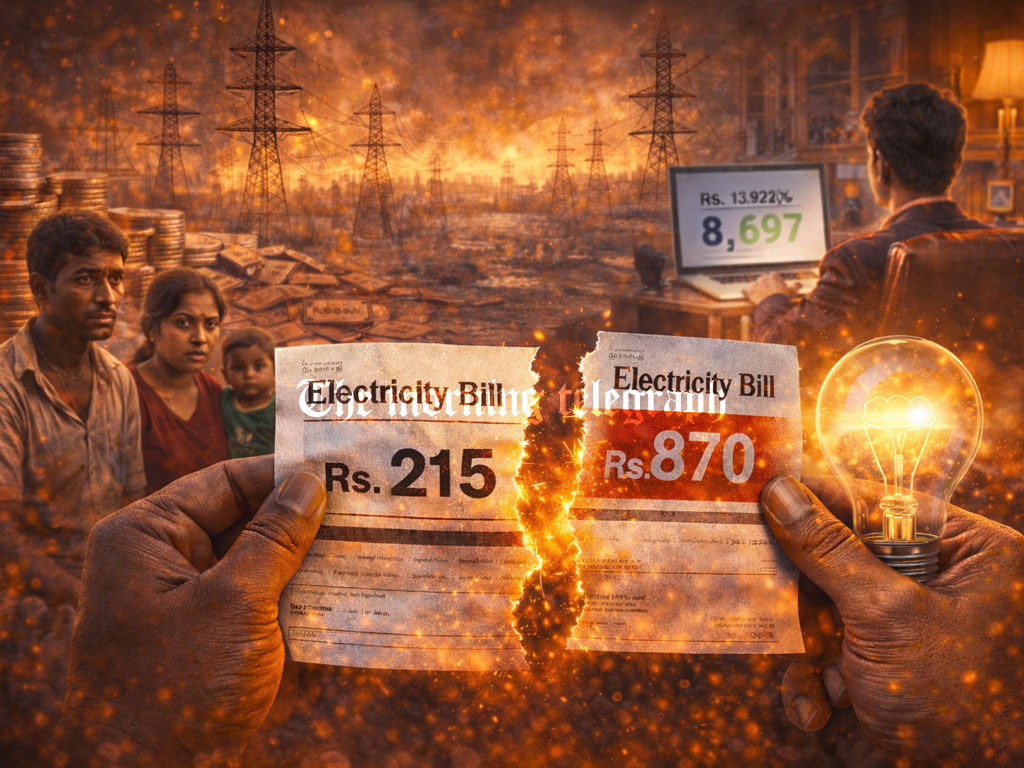
The public comment period for the proposed National Electricity Policy ended on January 9. Under the draft policy, the government plans to completely abolish the subsidy currently granted to electricity users consuming between zero and thirty units by the year 2030. At present, a consumer using the full thirty units pays a total bill of Rs. 215, including the fixed charge. This reduced rate exists because the subsidy system is designed to protect some of the poorest electricity consumers in the country.
However, under the proposed policy, this subsidy will be gradually removed. By 2029, a household consuming thirty units of electricity will be required to pay Rs. 870 per month, including the fixed fee. Unit charges and fixed charges will be recalculated accordingly under the new framework.
While the government is proposing a sharp increase for low consumption households, it has also proposed significant relief for high consumption users. Those using 300 units per month currently pay around Rs. 13,920. Under the proposed system, their monthly bill would be reduced to approximately Rs. 8,697, representing a reduction of nearly 38 percent.
Critics argue that this policy shifts the financial burden onto low income electricity users while easing costs for heavy users. More than 1.9 million electricity consumers in Sri Lanka fall into the under thirty unit category. Sanjeewa Dhammika stressed that these consumers must seriously consider the implications of the government’s proposed electricity reforms and make an informed decision about the direction being taken.