A dramatic resignation letter ignites fresh controversy over Sri Lanka’s coal import tender, with claims of political interference and a refusal to accept responsibility for looming consequences.
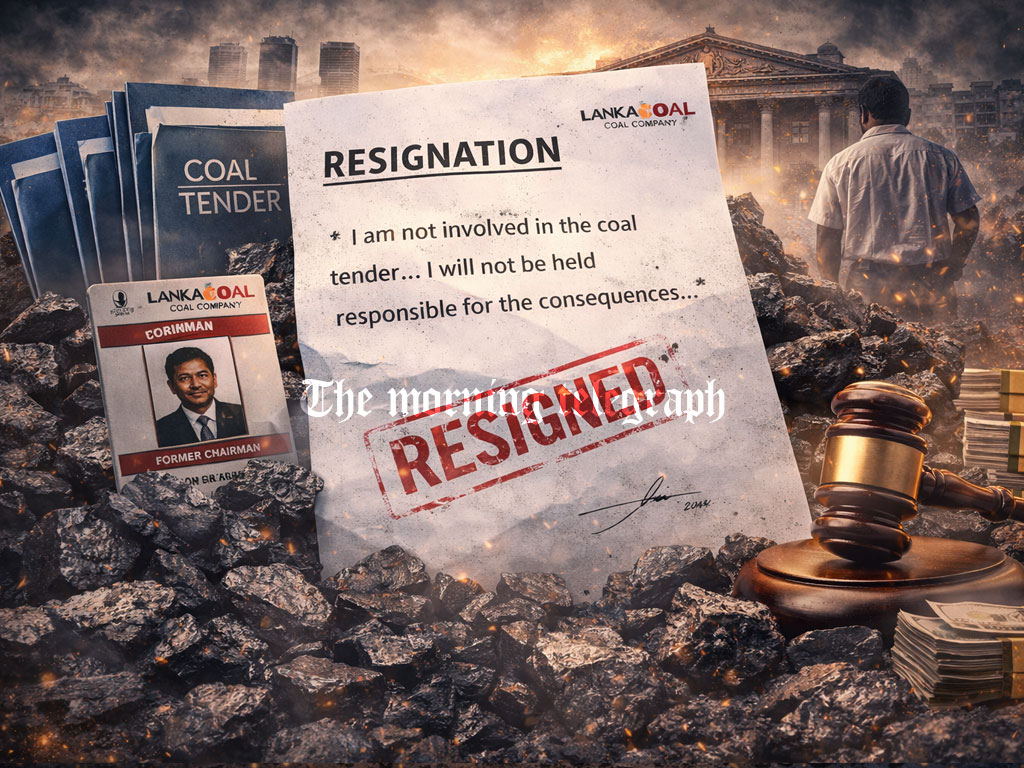
Sri Lanka’s energy sector has been jolted by the sudden resignation of the former Chairman of the Lanka Coal Company, following the publication of a strongly worded letter shared by former Minister Champika Ranawaka on social media. The resignation centers on the controversial coal import tender process, which has already drawn scrutiny amid concerns over transparency, governance, and ministerial intervention.

According to the letter released to the public, the outgoing chairman distanced himself and the Board of Directors from any responsibility linked to the disputed coal procurement. The document claims that the tender process relating to the import of problematic coal was carried out under what is described as arbitrary intervention by the Secretary to the Ministry of Power. The revelation adds a new dimension to the ongoing debate over accountability within state-owned enterprises and the oversight of major energy contracts.
The portion of the letter published by Mr. Ranawaka reads as follows.
”I wish to note that, although I have never previously engaged in political activities until my recent involvement with the NPP, I accepted this role with the sincere intention of uprooting corruption and working for the betterment of my country. Unfortunately, my efforts did not yield the positive outcomes I had hoped for.
During my tenure, I observed that all major decisions were made by Mr. Udayanga Hemapala and his team according to their wishes and requirements. Therefore, neither I nor the Board of Directors of the LCC can be held responsible for any forthcoming consequences arising from tender procedures.”
In a further clarification, the chairman reiterated his position.
”Although I have never been involved in politics before until my recent association with the National People’s Power, I would like to state that I took up this role with the sincere intention of working towards the upliftment of my country by rooting out corruption. Unfortunately, my efforts did not yield the positive results I had hoped for.
During my tenure, I observed that all major decisions were made by Mr. Udayanga Hemapala and his team according to their wishes and requirements. Therefore, neither I nor the Board of Directors of the LCC can be held responsible for any forthcoming consequences arising from tender procedures.”
The resignation intensifies questions surrounding coal tender governance, ministerial authority, and institutional accountability within Sri Lanka’s power sector.