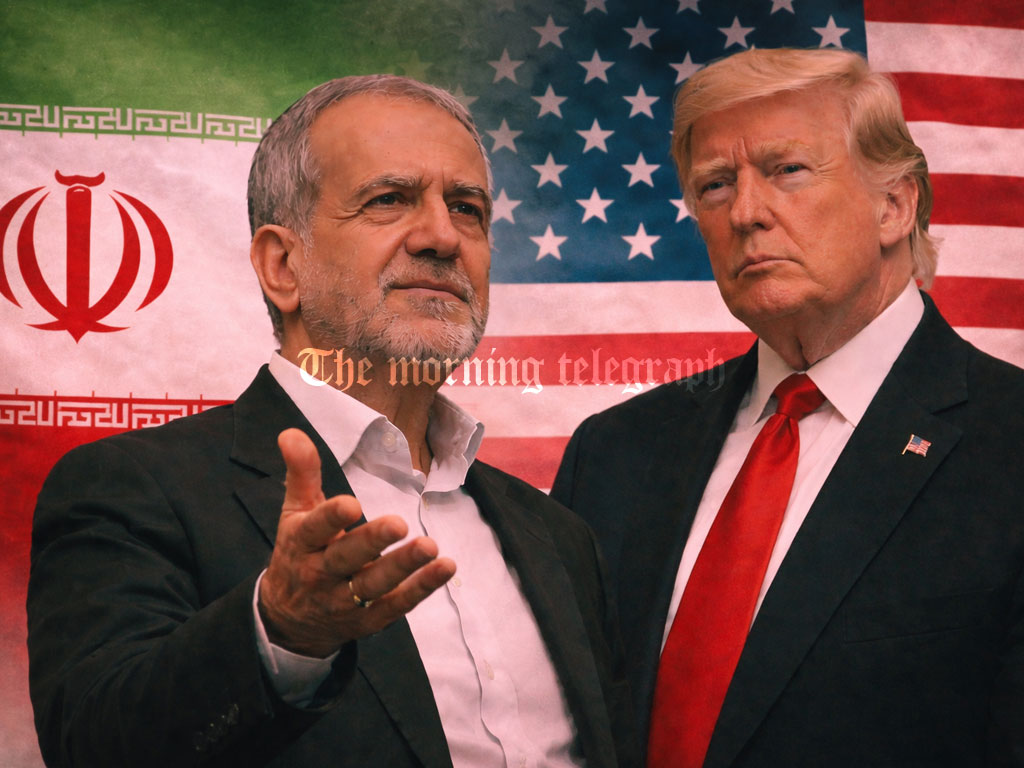
Talks between the United States and Iran in Geneva have concluded with what Oman’s foreign minister described as significant progress, though uncertainty remains over whether a final agreement can prevent conflict. Badr Albusaidi, who mediated the discussions, said both sides showed openness to new proposals and would resume negotiations soon after consultations at home. Iran’s Foreign Minister Abbas Araghchi also reported good progress, noting that agreement had been reached on some matters while differences persisted on others. Further technical discussions are expected in Vienna within days, raising cautious hope that diplomacy could ease tensions.

The negotiations centre on Iran’s nuclear programme, which Western governments have long suspected is aimed at developing a weapon. Tehran insists its activities are peaceful and maintains its right to enrich uranium, while rejecting demands to halt enrichment entirely or transfer its existing stockpile abroad. Reports suggest Iran may consider limiting enrichment for a temporary period under international monitoring. In exchange, it is seeking relief from economic sanctions that have severely damaged its economy. However, Iran has ruled out discussions about its ballistic missile programme or its support for regional allies.
Diplomacy is unfolding alongside a significant United States military build up in the Middle East, including aircraft carriers and fighter jets. President Donald Trump has warned of possible strikes if no agreement is reached, while Iran has pledged to retaliate against any attack. Regional allies fear a broader conflict, and Israel has argued that any deal must address Iran’s missile capabilities and regional influence. Despite public assurances from Iranian leaders that they will never pursue nuclear weapons, mistrust remains high as both sides weigh the risks of compromise against the threat of escalation.