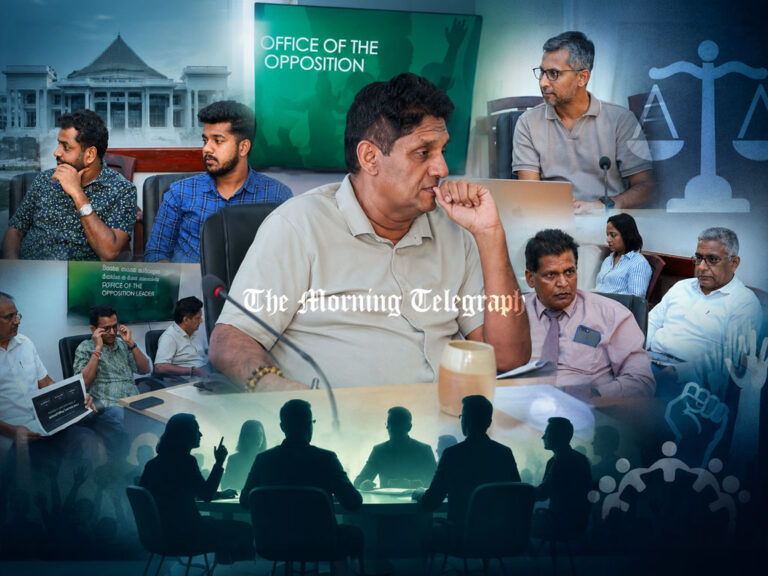
Sri Lanka’s political history reveals surprising alliances and dramatic reversals, as the traditional left and the JVP repeatedly joined forces, split apart, and reshaped the island’s electoral landscape.
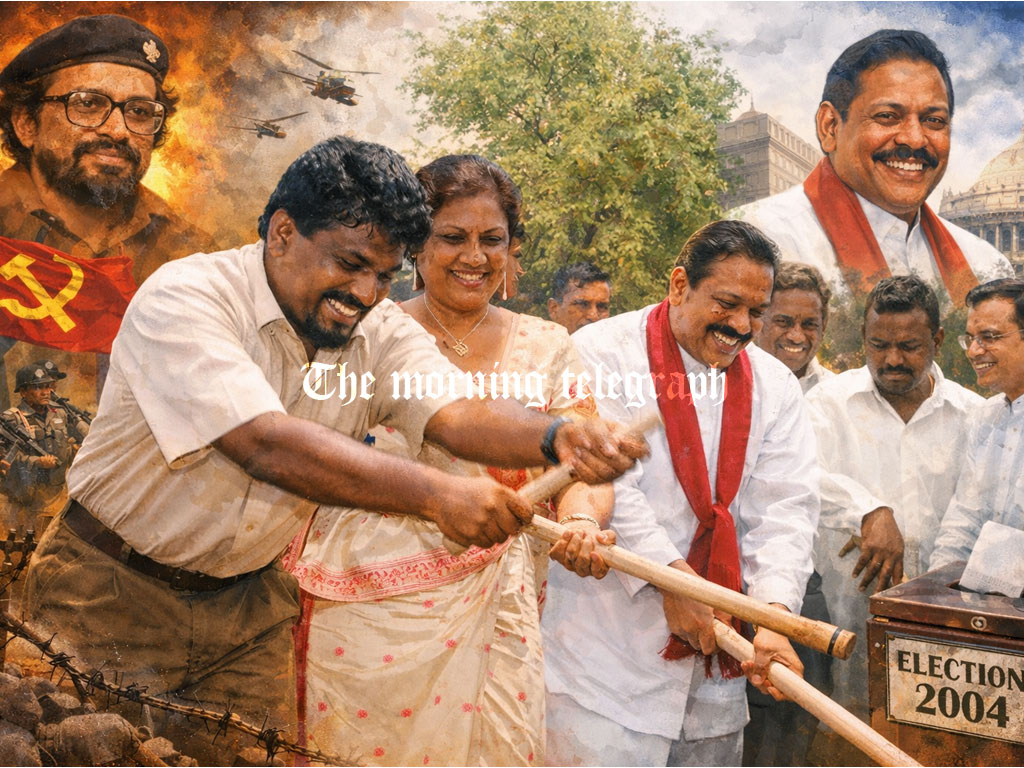
The first significant political partnership between Sri Lanka’s traditional left parties and the Janatha Vimukthi Peramuna took shape in 2004. At that time President Chandrika Bandaranaike Kumaratunga reshaped the Sri Lanka Freedom Party led People’s Alliance into the United People’s Freedom Alliance. The coalition included the JVP, the Communist Party of Sri Lanka and the Lanka Sama Samaja Party. Kumaratunga was determined to wrest parliamentary control from the United National Party and consolidate her authority as Head of State. Expanding the alliance’s electoral base was central to that strategy. Yet the move was controversial within the SLFP itself. Several party heavyweights expressed concern. Mahinda Rajapaksa, then Opposition Leader, strongly resisted the idea. He argued that the JVP was attempting to carry out the political strategy envisioned by its founder Rohana Wijeweera. According to that claim, the party aimed to infiltrate the SLFP, eventually capture its leadership and then move against the UNP to gain state power. Despite these objections Kumaratunga proceeded with the alliance.

The JVP’s Breakthrough Victory
The UPFA contested the 2004 snap general election after Kumaratunga dismissed the UNP led United National Front government citing national security concerns. The result marked a historic moment for the JVP. Out of roughly fifty five candidates it fielded under the UPFA banner, forty one secured seats in Parliament. The party even surrendered two National List positions to the SLFP in order to settle internal disputes over seat allocation. Prominent JVP figures achieved remarkable district level victories. Anura Kumara Dissanayake topped the Kurunegala District, Vijitha Herath led the Gampaha District and Wimal Weerawansa secured first place in Colombo. The JVP also gained cabinet representation, with Dissanayake appointed Minister of Agriculture.
The strong electoral performance in 2004 transformed the JVP’s political standing and shaped its long term strategy. However tensions soon surfaced within the coalition. The JVP strongly objected to Mahinda Rajapaksa being appointed Prime Minister. The party formally urged Kumaratunga not to grant him the position and even threatened to withdraw from the alliance. Instead it proposed Lakshman Kadirgamar for the role, although Kadirgamar himself showed little interest in the premiership. Kumaratunga ultimately ignored the JVP’s demand and appointed Rajapaksa, believing he was the most suitable candidate. The JVP stayed in the alliance but withdrew support a year later in protest over the proposed Post Tsunami Operational Management Structure, which sought to share tsunami relief administration with the LTTE.
Another Unexpected Alliance
Ironically the JVP later reversed its position and became a key supporter of Mahinda Rajapaksa during the presidential election campaign that followed. Campaign footage from that period shows JVP leaders publicly promoting Rajapaksa’s manifesto Mahinda Chinthanaya as a powerful political vision. Although Rajapaksa had strained relations with President Kumaratunga, the JVP’s backing proved decisive. The LTTE’s election boycott in areas under its control in the North and East further tilted the balance against UNP candidate Ranil Wickremesinghe. Rajapaksa ultimately secured the presidency.
Relations between the JVP and the Rajapaksa administration soon deteriorated. The party distanced itself from the government and its parliamentary group sat separately in Parliament. Rajapaksa’s coalition remained fragile and relied heavily on crossovers from the UNP to maintain a governing majority. Political tensions intensified during the war period and the opposition attempted to defeat the government’s 2008 budget. The JVP ultimately abstained from the decisive vote while the budget passed comfortably.
The Decline of the JVP
After its remarkable gains in 2004 the JVP struggled to sustain its political momentum. A damaging internal split occurred in 2008 when Wimal Weerawansa and several MPs broke away to support the Rajapaksa government. The military defeat of the LTTE in 2009 further strengthened Rajapaksa’s popularity and weakened opposition parties.
The JVP played a key role in fielding General Sarath Fonseka as the common opposition candidate in the 2010 presidential election but the effort failed. Rajapaksa secured re election and the UPFA dominated the subsequent parliamentary election. The JVP’s representation fell dramatically from thirty nine seats to just seven.
Turning the Tables on Rajapaksa
Despite this setback political fortunes continued to shift. Public dissatisfaction with corruption and governance under the Rajapaksa administration created new opportunities for opposition forces. The 2015 presidential election saw Maithripala Sirisena defeat Rajapaksa with backing from both the UNP and the JVP. Once again unusual alliances emerged.
However electoral gains for the JVP remained limited. It secured only six seats in the 2015 parliamentary election. By the 2020 election the party was reduced to three seats while the SLPP dominated the political landscape and the UNP collapsed to a single National List position.