Sri Lanka treasury heist controversy deepens as the government prepares to issue its official position through a Deputy Minister, raising questions about accountability, leadership response, and the delayed explanation over the missing $2.5 million.
Sri Lanka treasury heist investigation has taken another unexpected turn as the government moves to present its official position on the $2.5 million misappropriation through Deputy Minister of Finance and Planning Anil Jayantha Fernando, instead of the President, drawing significant public and political attention.

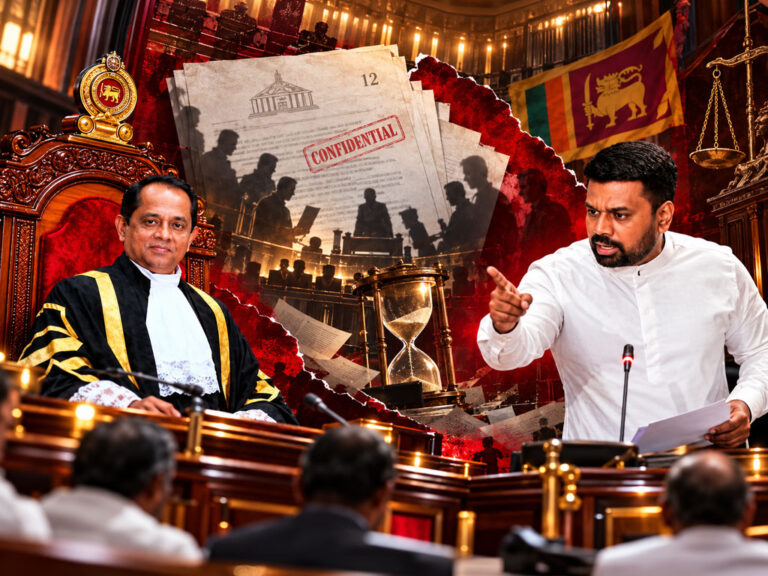
The Ministry of Finance is currently making arrangements to deliver a special statement to Parliament on the 5th of next month, where details surrounding the controversial financial incident are expected to be clarified. This comes at a time when pressure continues to mount from opposition parties demanding transparency and accountability over the missing funds.
Internal sources within the Ministry confirm that Deputy Minister Anil Jayantha Fernando will lead the presentation, which is expected to include preliminary findings from an ongoing internal audit investigation. Authorities have already initiated inquiries into how the funds disappeared, with the report likely to outline whether the incident stemmed from misuse of public funds or a systemic failure within financial processes.
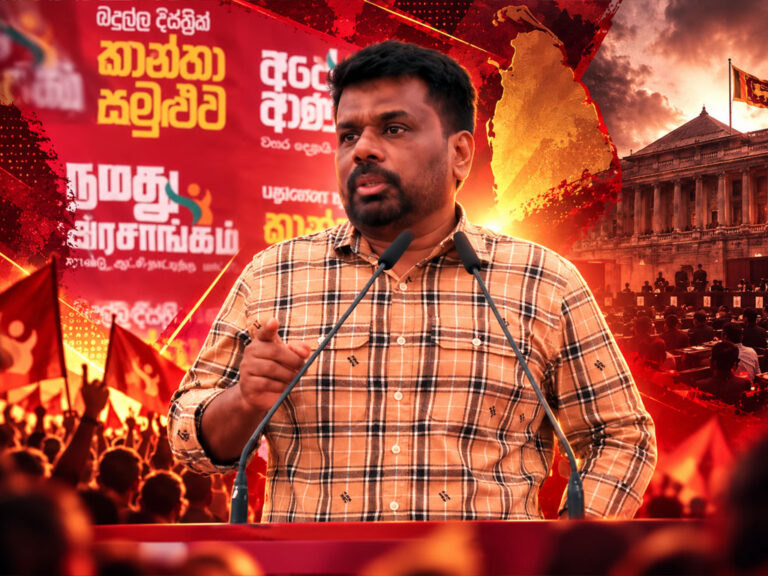
The government has indicated that the primary objective of the statement is to present the facts transparently and address concerns that have been repeatedly raised in Parliament and in public discourse. However, questions remain about why the explanation is not being delivered directly by President Anura Kumara Dissanayake, especially after earlier indications suggested he would personally address the matter.
Deputy Minister of Media Kaushalya Ariyaratne had previously stated that the President was expected to make a special statement in Parliament regarding the incident. The shift in responsibility to a Deputy Minister has therefore raised concerns about consistency in communication and the level of seriousness being attached to the issue.
This raises concerns about whether the government is attempting to manage the narrative rather than confront the issue at the highest level. The absence of a direct statement from the President on a matter involving significant public funds has intensified scrutiny over the administration’s handling of the situation.
What happens next could be critical as the scheduled parliamentary statement approaches. With public trust already under strain, the manner in which the government presents its findings and addresses unanswered questions may determine the credibility of its response to one of the most closely watched financial controversies in recent times.