Mounting questions over Sri Lanka e-Motoring project delays raise concerns about corruption, DMT inefficiencies, vehicle fraud, and billions in potential government revenue losses.
Sri Lanka e-Motoring project delays are now under intense scrutiny as fresh allegations point to systemic failures, possible corruption, and prolonged inaction within the Department of Motor Traffic, raising urgent concerns about governance and accountability.

Colombo, Sri Lanka – A comprehensive investigation has brought renewed attention to the stalled national e-Motoring project, a long-promised digital reform initiative aimed at modernizing the Department of Motor Traffic and streamlining vehicle registration processes across the country.
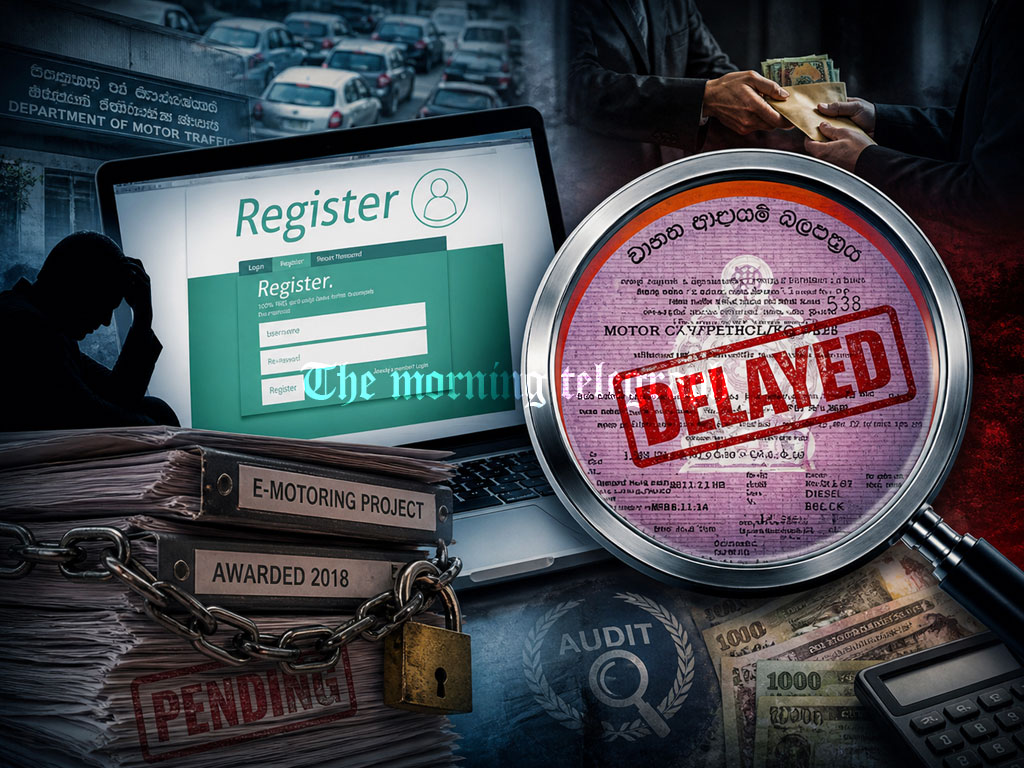
Originally conceptualized following a Business Process Reengineering initiative conducted in 2009–2010 by the Information and Communication Technology Agency, the e-Motoring project was designed to enhance transparency, improve operational efficiency, and safeguard government revenue through digitization. A formal tender process launched in 2016 led to the awarding of the project in 2018. However, despite its national importance, the system remains unimplemented to date.
Recent developments have intensified public concern. Multiple current and former DMT officials, including a sitting Commissioner General, have been arrested by authorities such as the Criminal Investigation Department and the Commission to Investigate Allegations of Bribery or Corruption over alleged vehicle registration irregularities. These include fraudulent alterations of vehicle data, including chassis numbers, resulting in significant financial losses to the Government.
Investigations indicate that systemic vulnerabilities stemming from an outdated vehicle registration system, which has been in operation for over 30 years, have enabled such malpractices. However, questions are now being raised about why a fully procured digital solution has not been deployed to address these weaknesses.
At a recent hearing before the Committee on Public Accounts on 4 March 2026, senior officials reportedly maintained that the current system remains stable and that upgrades are ongoing. This raises concerns about transparency, especially in light of reports that the existing software provider ceased maintenance support in December 2024. However, questions remain as to whether the system can truly function effectively without ongoing technical support.
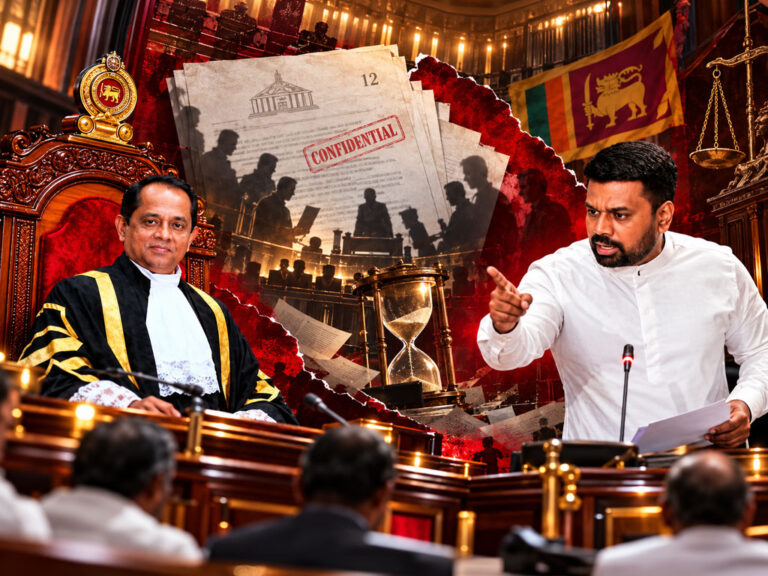
The investigation further highlights allegations that certain officials, potentially working alongside political actors, may have deliberately delayed the implementation of the e-Motoring system. If proven, such actions would signal a serious breakdown in governance and raise doubts about the integrity of public institutions.
Since assuming office in 2024, the current administration has initiated multiple arrests linked to corruption within the DMT. However, critics argue that enforcement alone is not enough. Without structural reform and the implementation of the e-Motoring system, the root causes of these irregularities may persist.
Several key questions continue to dominate public discourse. Why has the e-Motoring project, awarded in 2018, not been implemented? Were there deliberate attempts to obstruct its rollout? Have public officials misled oversight bodies, including Parliament and the Committee on Public Accounts? And who ultimately bears responsibility for the continued financial losses to state coffers?
The findings point to a broader issue of institutional accountability, involving multiple stakeholders across successive administrations, senior officials within the Department of Motor Traffic, and oversight mechanisms. There is an urgent need for a transparent and independent audit of the e-Motoring project, immediate clarification regarding delays, swift deployment of a secure digital vehicle registration system, and legal accountability for any obstruction or misconduct.
Efforts to contact the company awarded the project in 2018 to determine the root cause of the delay were unsuccessful. What happens next could be critical, as the public increasingly demands answers, accountability, and decisive action to restore trust in the system.