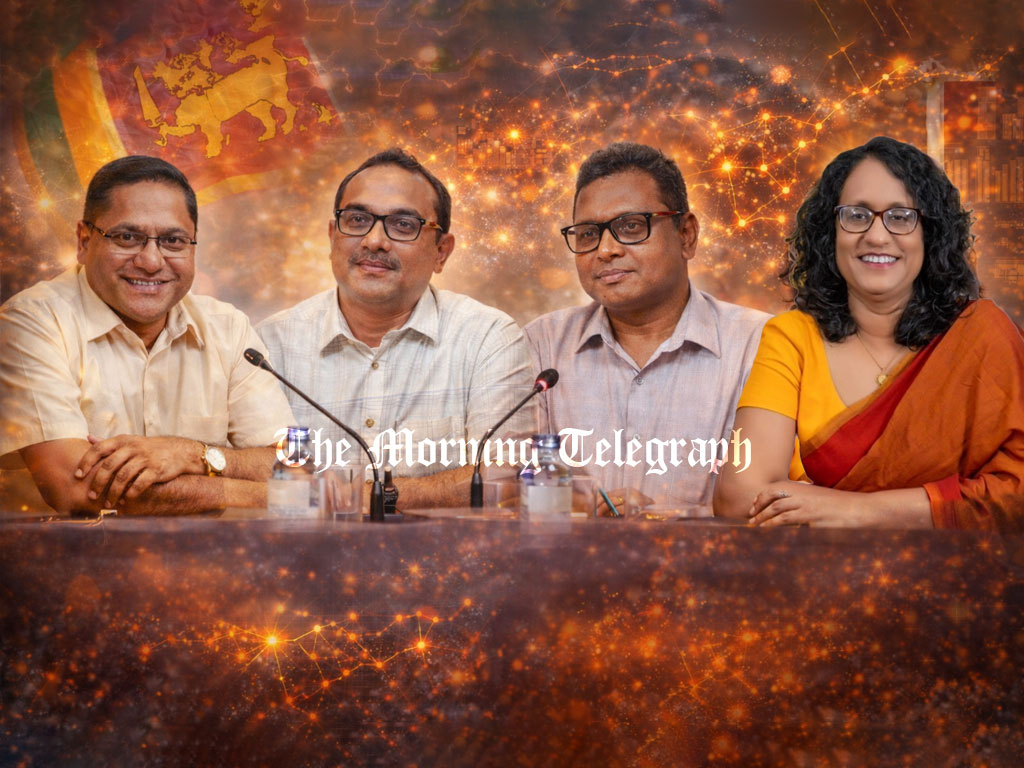
A sweeping government response unfolds as top-level committees are formed to safeguard energy security, stabilize essential services, and steer Sri Lanka through a deepening crisis.
At a specially convened media briefing, Commissioner General of Essential Services Prabath Chandrakeerthi outlined the government’s latest strategic response to the ongoing national crisis, signaling a shift toward coordinated crisis management and institutional control. The announcement followed a Cabinet meeting held earlier today, where authorities approved the formation of four key committees aimed at addressing urgent national challenges.

These decisions stem from a high-level discussion chaired by the President, with a strong focus on ensuring energy security, maintaining economic continuity, and protecting essential public services during a period of growing uncertainty. The move reflects a structured attempt to centralize decision-making and respond proactively to escalating disruptions.
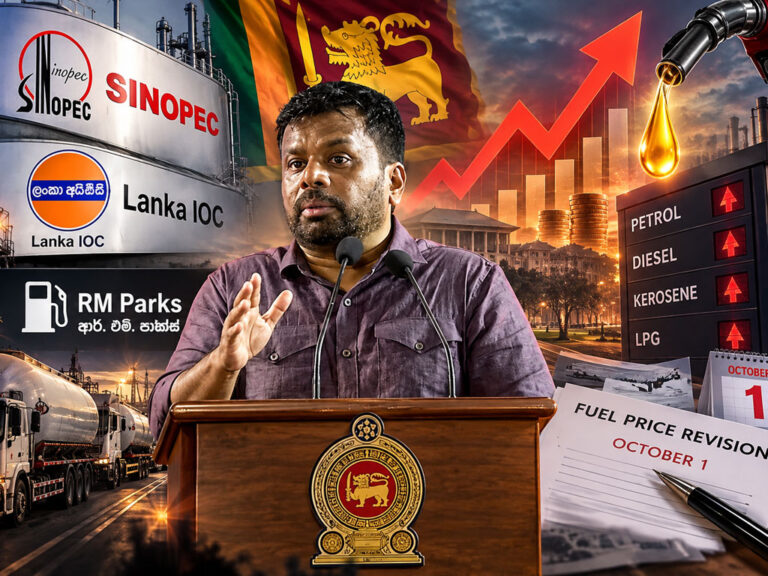
Under the new framework, a special committee led by the Prime Minister has been tasked with ensuring uninterrupted government operations. Alongside this, an Energy Committee chaired by Minister Vijitha Herath will focus on stabilizing the energy sector, managing fuel shortages, and responding to supply chain disruptions linked to global tensions.
A third committee, headed by Bimal Ratnayake, has been assigned responsibility for the distribution of essential goods, with a mandate to regulate supply systems and prevent shortages. Meanwhile, welfare delivery will be overseen by a committee chaired by Minister Upali Pannilage, ensuring that vulnerable communities receive necessary support amid rising economic pressure.
To strengthen execution, Ministry Secretaries and senior public officials have been integrated into these committees, reinforcing administrative coordination and operational efficiency. Chandrakeerthi emphasized that the overarching goal is to conduct a comprehensive national assessment and guide policy decisions with clarity and precision.
These developments come against the backdrop of ongoing energy disruptions driven by instability in the Middle East, highlighting Sri Lanka’s exposure to global geopolitical shocks. The presence of key ministers and officials at the discussion underscores the urgency and scale of the government’s response.