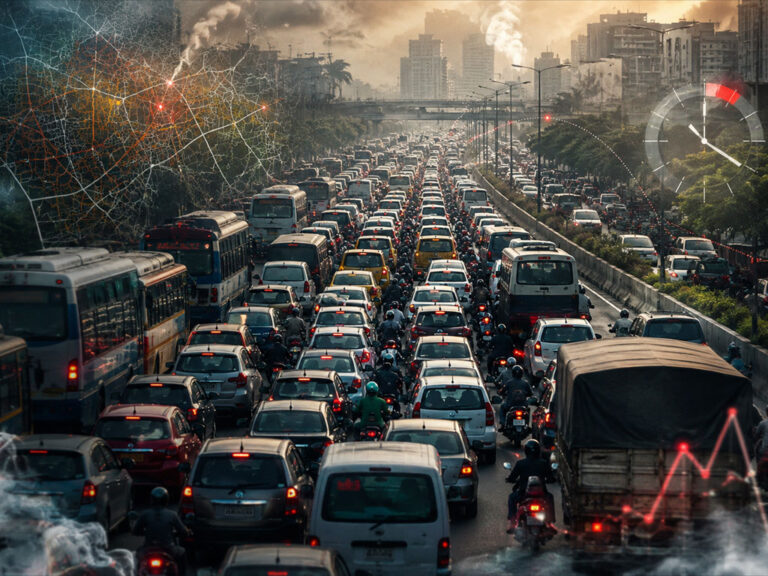
A nationwide fuel quota system meant to prevent shortages instead exposed digital bottlenecks, outdated data, and policy gaps, leaving thousands struggling to access fuel when they needed it most.
As Sri Lanka prepares for uncertainty linked to the Middle East conflict, the government introduced a QR-based fuel quota system from March 15 as a precautionary step to manage fuel supply disruptions. The objective was clear: reduce fuel consumption, regulate distribution, and prevent panic-driven shortages. This system mirrors the fuel pass mechanism used during the economic crisis, where controlled access helped stabilize supply. However, despite good intentions, the rollout triggered widespread confusion and frustration among the public.

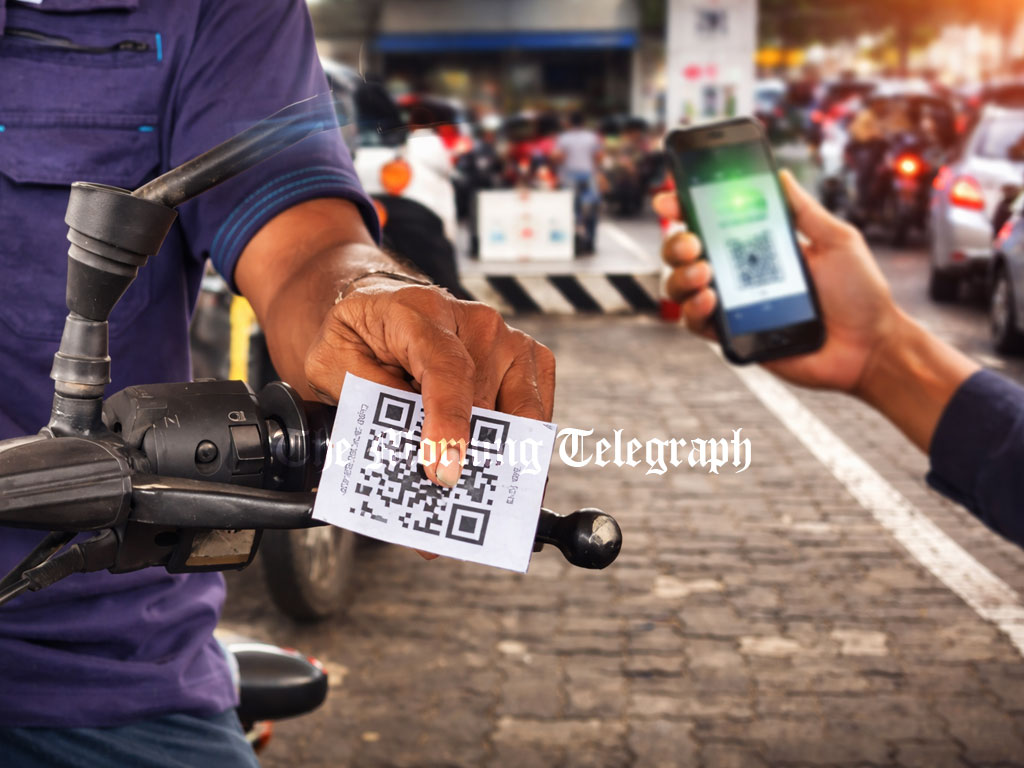
Many citizens attempting to obtain their fuel QR code faced multiple obstacles. While entering their details on the official fuel registration platform, users encountered repeated system errors, rejected applications, and long delays. On the ground, queues at fuel stations revealed a more troubling reality. Several motorists were unable to pump fuel simply because they could not generate or verify their QR code. Reports also highlighted scanning failures at fuel stations, further complicating the process and undermining public confidence in the system.
Authorities later clarified the underlying issues and outlined the steps taken to address them. Below is a structured breakdown of the key challenges and the corrective measures introduced.
01. Basic Requirements for Fuel QR Registration
To obtain a fuel QR code, users must register through the official fuel pass website. The system enforces a strict rule where only one vehicle can be linked to one national identity card and one mobile phone number. This policy is central to the government’s effort to limit fuel consumption and prevent misuse.
However, this rule also created barriers for many users. If a mobile number or identity card had been used previously in the system, even under an older registration, new applications were automatically rejected. First-time users with clean records could register smoothly, but those with prior data often faced difficulties.
02. Can Existing QR Codes Still Be Used?
The current system operates on the same database that was used until August 2023 during the earlier fuel distribution program. Users who have not changed their mobile number or vehicle since that period can continue using their existing QR codes.
They also have the option to log into the system and download their QR code again. While this continuity was intended to simplify the process, many users were unaware of it or had difficulty accessing their previous registration details, leading to unnecessary re-registration attempts.
03. Issues Faced by Users Who Changed Mobile Numbers
One of the most widespread problems involved individuals who had changed their mobile numbers after their initial registration. When these users attempted to register with a new number, the system flagged their identity card as already registered, effectively blocking them.
Authorities estimated that nearly two million users were affected by this issue. To resolve it, telecom providers were engaged to identify inactive, reassigned, or discontinued mobile numbers. Once this data was analyzed, outdated records were removed from the system. This allowed affected users to re-register as new applicants, significantly improving access.
04. Problems for New Vehicle Owners
Another major challenge emerged for individuals who had purchased new or second-hand vehicles after 2023. Even if the vehicle had been legally transferred to their name, the system often retained links to previous ownership records. This prevented new owners from registering their vehicles.
To address this, authorities obtained updated vehicle ownership data and removed outdated registrations from the system. Initially, this issue limited successful registrations to around 50,000 users over two days. However, once corrections were implemented, registration numbers surged dramatically, with hundreds of thousands successfully enrolling within hours.
Despite these improvements, high demand continued to strain the system, causing delays and temporary failures in processing applications.
05. What If You Do Not Know the Registered Phone Number?
A unique challenge arose in cases where vehicles were previously registered using someone else’s phone number, particularly in institutional settings. For example, a vehicle assigned to one staff member in the past may now be used by another, but the original phone number remains linked in the system.
In such cases, users are advised to contact the State Information Center by dialing 1919. After verification, the outdated data can be removed, allowing the vehicle to be registered מחדש. Authorities have also indicated plans to introduce a WhatsApp support channel to handle such issues more efficiently.
06. Registering Multiple Vehicles for Businesses
The system generally allows only one vehicle per registration. However, businesses with multiple vehicles can register them under a single account by submitting their business registration certificate during the process.
Authorities also removed outdated business records from the system to ensure that only currently active businesses can register their vehicles. This step was necessary because previous data did not reflect changes in ownership or operational status.
07. Fuel Access for Unregistered Vehicles and Equipment
At present, QR codes are issued only for vehicles registered with the Motor Registration Department. This excludes certain categories such as agricultural machinery, fishing boats, and generators.
To address this gap, plans are underway to introduce a dedicated application for such users. The process will require verification by local administrative officials such as the Grama Niladhari or Divisional Secretary to ensure legitimacy.
08. Changes to Fuel Quota Renewal Schedule
Under the previous system, fuel quotas were renewed weekly on Wednesdays. However, the current system has shifted the renewal day to Saturday. This change aims to streamline distribution and better align with supply cycles.
09. Concerns About Reduced Fuel Quotas
Some users reported that their allocated fuel quotas appeared to have decreased. Authorities clarified that this issue arose because the system initially displayed remaining balances from the old QR database.
A system update was scheduled to correct this discrepancy, ensuring that users receive their full allocated quota under the new system.
10. Can Individuals Register Multiple Private Vehicles?
The system does not allow multiple personal vehicles to be registered under a single identity. This restriction is designed to reduce fuel consumption and prevent hoarding.
However, authorities noted that additional vehicles can be registered using the identity details of other family members if necessary, providing a limited workaround for households with multiple vehicles.
A System Under Pressure
The fuel QR system highlights both the potential and the limitations of digital governance in crisis management. While the concept is effective in controlling demand and ensuring equitable distribution, its success depends heavily on accurate data, robust infrastructure, and user awareness.
The initial difficulties faced by the public were largely the result of outdated records, system overload, and insufficient communication. However, the rapid corrective measures implemented by authorities demonstrate the system’s ability to adapt and improve under pressure.
As Sri Lanka navigates ongoing global uncertainty, particularly in energy markets, the fuel quota system will remain a critical tool. Ensuring its efficiency and reliability will be essential not only for managing fuel supply but also for maintaining public trust in digital solutions.