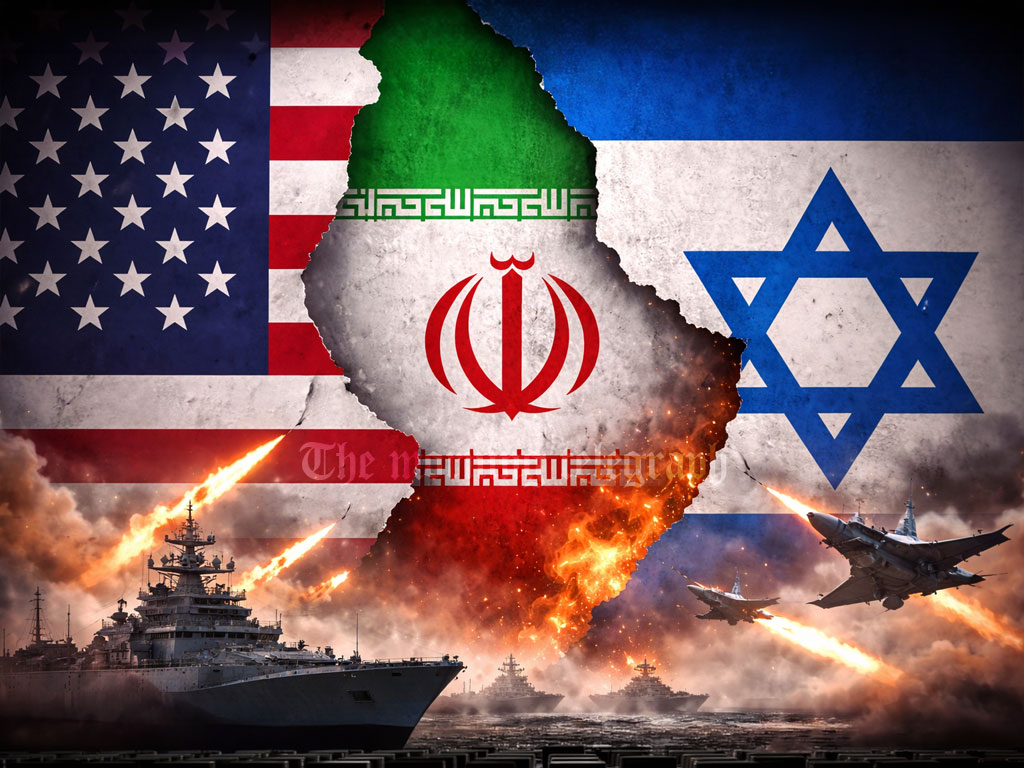
Iran has reportedly rejected a temporary ceasefire proposal and instead sent Washington a hardline set of conditions, deepening fears that the Middle East is moving closer to a far more dangerous and potentially devastating regional confrontation.
Iran has reportedly delivered a 10-point response to the United States, outlining a series of conditions it says must be addressed before any end to the current hostilities can be considered. According to reports circulating through official Iranian channels, Tehran has directly rejected the proposal for a temporary ceasefire, signaling that it is not prepared to step back without broader political, military, and economic guarantees. The latest development has intensified concerns that the standoff is entering a more volatile phase, with diplomacy appearing fragile and the threat of wider war growing across the region.

The temporary ceasefire proposal, according to the reports, was finalized after two weeks of high-level review and conveyed to the United States through Pakistan. That detail alone underscores how sensitive and high-stakes the current diplomatic process has become. Rather than accepting the proposal as presented, Iran is said to have responded with its own detailed framework, making it clear that any pause in the fighting must be tied to larger strategic and political demands rather than a short-term halt in military action.
Iran’s official news agency IRNA has further indicated that the country’s main demands include several major conditions tied to security, sanctions relief, reconstruction, and regional stability.
Among those reported demands are the lifting of sanctions imposed on Iran, guarantees for safe shipping through the Strait of Hormuz, faster reconstruction of war-damaged areas, and an end to wider conflicts across the Middle East, including in Iraq and Lebanon. These demands suggest that Tehran is seeking not just a ceasefire, but a broader restructuring of the regional crisis in a way that addresses both its immediate pressures and its long-term strategic concerns.
At the same time, US officials have reportedly described Iran’s response as strongly worded and ambiguous, with Axios saying Washington now has doubts about whether a diplomatic breakthrough remains realistically within reach. That reaction reflects the widening gap between the two sides, as the United States appears to view the Iranian position as too broad, too rigid, or too politically loaded to serve as the basis for a quick ceasefire agreement.
Iranian Foreign Ministry spokesman Esmail Baqaei has said that Tehran’s position is rooted in national interests and what he described as the country’s red lines. He also accused the United States of trying to avoid meaningful diplomacy while exerting pressure through threats and deadlines. His remarks reinforce the message that Iran wants to be seen as defending sovereignty and strategic leverage, rather than yielding under external pressure during a period of military escalation.
Meanwhile, US President Donald Trump has reportedly extended the deadline given to Iran by another 20 hours. Under that warning, a ceasefire deal would need to be reached by 8:00 pm Eastern Time on Tuesday. If that does not happen, Trump has reportedly threatened that the Strait of Hormuz will be reopened by force and that Iran’s key civilian infrastructure could be targeted. Such language has sharply raised the stakes, especially given the strategic importance of Hormuz to global energy supplies and regional maritime security.
Iran, in turn, has responded by warning that if the United States launches an attack, Tehran will retaliate by striking Israel and pro-American infrastructure across the Gulf region. That warning has dramatically increased fears of a broader regional war involving multiple fronts, energy corridors, and allied states. With these threats now out in the open, the military tension across the Middle East has clearly intensified, leaving the region and the wider world watching for what could come next.