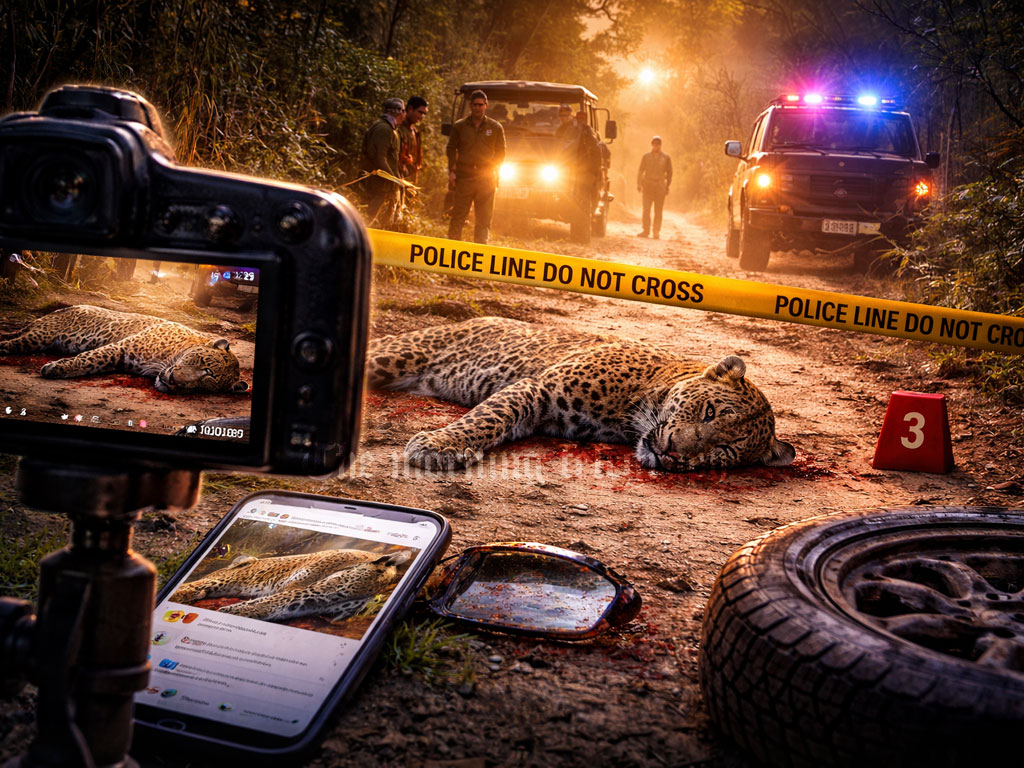
Shock, anger, and growing suspicion have gripped wildlife circles after claims emerged that Yala’s famous leopard Lucas may have been struck in a safari jeep incident, prompting an official investigation and renewed scrutiny over safety inside Sri Lanka’s most visited national park.
A major controversy has erupted over the fate of Lucas, one of Yala National Park’s most recognized male leopards, after claims surfaced that the animal may have been run over or deliberately targeted in a suspected safari jeep incident inside the park. The reports have triggered alarm among conservationists, wildlife photographers, safari visitors, and animal lovers, with many demanding answers over what really happened to one of Yala’s most iconic big cats. The incident has quickly become a flashpoint in the wider debate over safari regulation, wildlife protection, and the growing pressure placed on animals inside Sri Lanka’s most famous national park.

Wildlife Conservation Department Director General Ranjana Marasinghe confirmed that an incident had been reported to him and said he had instructed officials to begin an immediate investigation. He also appealed to anyone who may have video footage, photographs, or any other form of evidence from the day in question to come forward and assist the inquiry. That appeal has further intensified public interest, as many now believe the truth of what happened to Lucas may depend on eyewitness material recorded by visitors or safari operators inside Yala.
As part of the ongoing investigation, the safari jeep believed to have been near Lucas at the time of the alleged incident has been temporarily suspended by the Yala park warden until further inquiries are completed. Authorities have also made it clear that if the driver is found responsible, legal action will be taken under the Fauna and Flora Protection Ordinance. At the same time, officials have said that if the investigation does not establish wrongdoing, the driver will be cleared of all allegations. That position reflects the sensitivity of the case, which now sits at the center of a tense and emotional public debate.
However, the Yala Safari Jeep Owners’ Association has denied having any confirmed knowledge of such an incident. The association says it has not received verified information involving any of its members in relation to Lucas, creating a direct contrast with the concerns now circulating among officials, wildlife observers, and the public. These conflicting positions have only added more uncertainty and controversy to an already explosive story, with questions continuing to grow over whether key facts are still missing.
At the same time, unverified social media posts have spread rapidly, with many claiming that Lucas may have been killed after being hit by a safari vehicle inside Yala National Park. These posts have fueled public outrage and deepened concern, but wildlife authorities have urged the public not to spread unconfirmed reports while the official investigation is still underway. The warning reflects growing concern that speculation, viral claims, and emotional reactions could undermine efforts to establish the truth through evidence.
Lucas is not just any leopard. He is one of the most famous leopards in Yala National Park and is widely admired by wildlife enthusiasts, tourists, conservation followers, and photographers for his striking features and regular appearances in some of the park’s best-known safari zones. His reported disappearance has therefore caused widespread distress and has once again placed the spotlight on safari conduct, vehicle management, and wildlife safety within protected areas. For many people, the concern goes beyond a single animal and touches on the broader question of how Sri Lanka protects the wildlife that defines places like Yala.
The investigation is continuing, and until officials establish exactly what happened, the fate of Lucas remains one of the most troubling and closely watched wildlife mysteries now unfolding in Sri Lanka.