A deeply controversial report sparks fears of judicial interference, raising urgent questions about fairness, influence, and the fragile line between advocacy and justice in Sri Lanka.
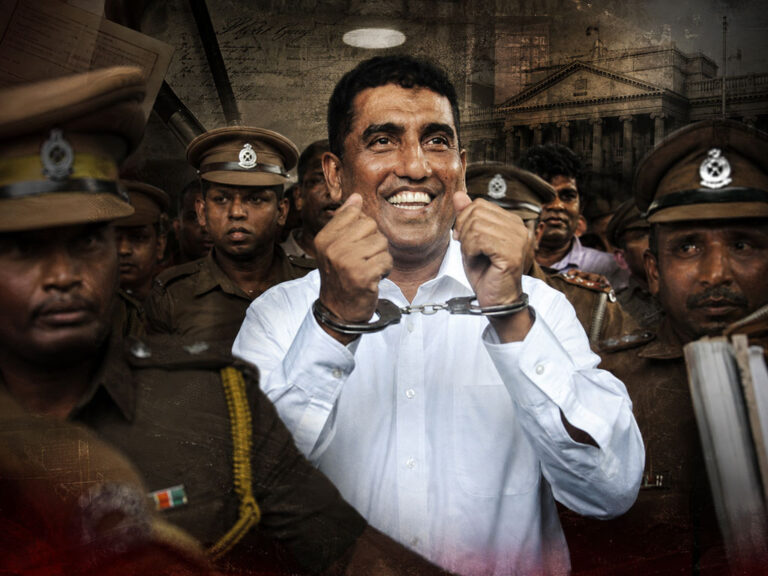
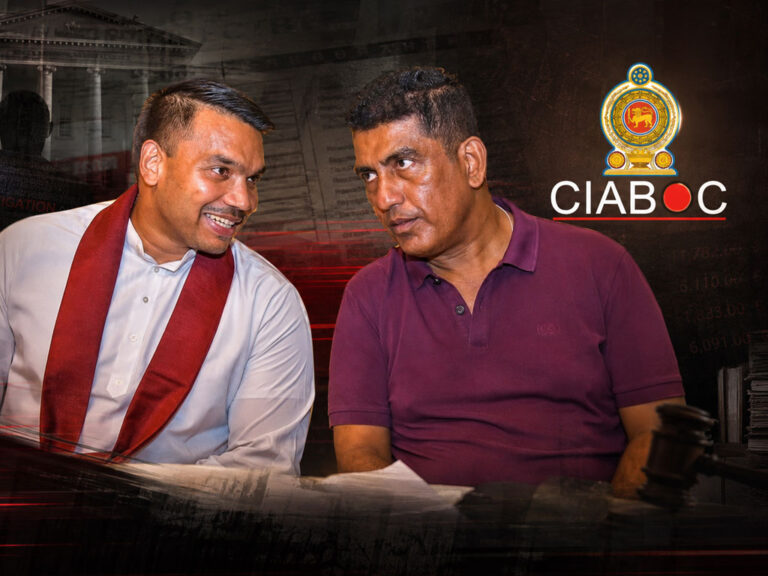
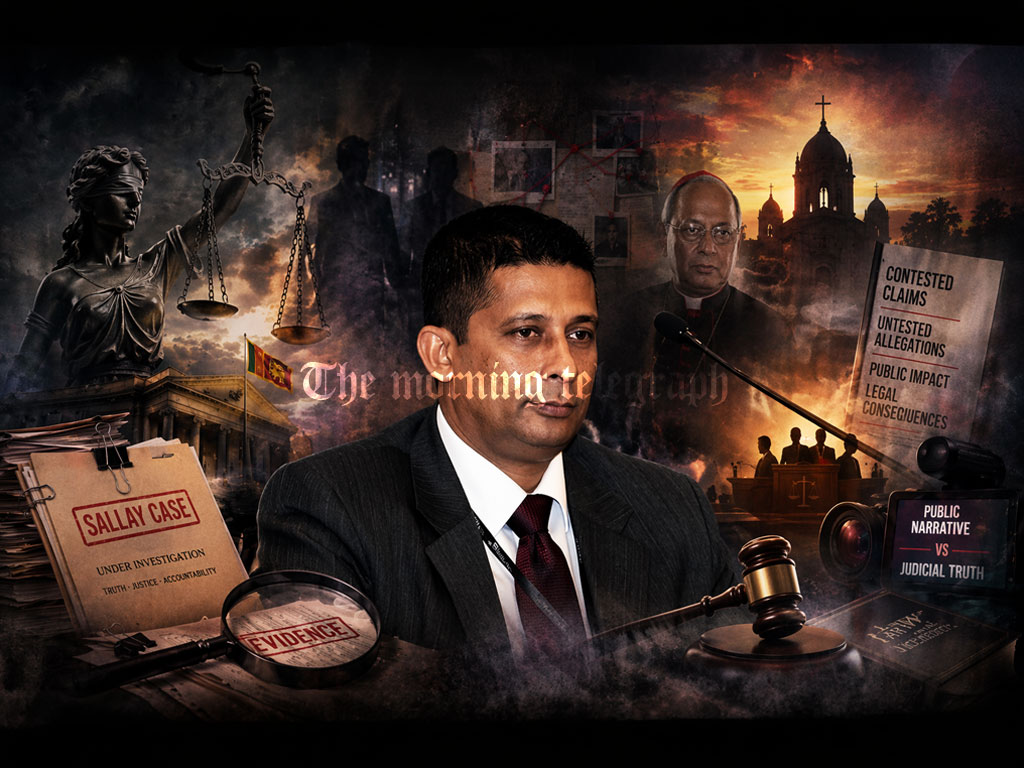
Rohan de Silva, a Catholic priest affiliated with the Centre for Society and Religion, an organisation closely connected to the Catholic Church, has released a report that is now drawing serious legal and ethical scrutiny. The timing and nature of this publication have raised concerns within Sri Lanka’s judicial landscape. Fr. de Silva is not a neutral observer. He is directly linked to the complaint that led to the arrest of Major General Suresh Sallay, the former Director General of the State Intelligence Service. His prior public stance, including calls for the execution of former intelligence chief Nilantha Jayawardena, raises further questions about impartiality. When such a figure produces a document that references Sallay dozens of times within a relatively short span, the issue extends beyond content into intent and potential consequence.

The report leans heavily on the Channel 4 documentary, a production that has itself been widely debated for its evidentiary strength and underlying motives. Cardinal Malcolm Ranjith, a significant religious authority known for his firm views on the Easter Sunday attacks, also features within this broader narrative. This overlap raises a critical question. Can a report grounded so extensively in contested material be considered a credible independent investigation, or does it contribute to reinforcing a particular narrative against selected individuals. Without judicial validation, the repetition of such claims risks transforming allegations into perceived facts within the public domain.
From a legal standpoint, the timing of this report is particularly troubling. Suresh Sallay remains in custody and is expected to appear before court on April 22. The principle of sub judice exists to prevent exactly this type of external commentary from influencing ongoing proceedings. While Sri Lanka’s legal framework may not mirror more codified systems, the underlying doctrine remains vital. Publications that may shape public perception during an active case risk undermining the administration of justice. When statements suggest that the attacks were not solely the work of extremist Zaharan Hashim and imply hidden involvement, the narrative moves beyond analysis into potential prejudice.
Equally concerning is the report’s reliance on claims that have not been tested in a court of law. It refers to allegations that a senior intelligence official met with Easter Sunday attackers and suggests the existence of a long term coordinated plan. These assertions, drawn from material not subjected to cross examination, carry significant legal and ethical risk. When presented in a structured and authoritative format, such narratives can influence public opinion, potential witnesses, and even the broader judicial environment in which decisions are made.
The cumulative effect of these elements is difficult to ignore. Repeated references to Sallay, the framing of events within a conspiratorial structure, and the use of contested external sources combine to create a powerful narrative. In legal terms, this raises concerns about trial by publication. Even if the judiciary remains formally independent, the integrity of due process depends not only on institutional safeguards but also on the absence of undue external pressure. When public discourse begins to lean toward presumption of guilt rather than the principle of innocence, the foundation of justice itself is placed at risk.
There is also a broader issue at play involving responsibility and proportionality. Advocacy organisations play a critical role in democratic societies, particularly when addressing accountability for serious national events. However, this responsibility comes with a duty to ensure that their actions do not undermine the judicial processes they seek to support. When a report appears to merge investigation with conclusion, and when it is authored by an individual with a direct interest in the outcome of related proceedings, the boundary between advocacy and influence becomes increasingly blurred.