By Marlon Dale Ferreira
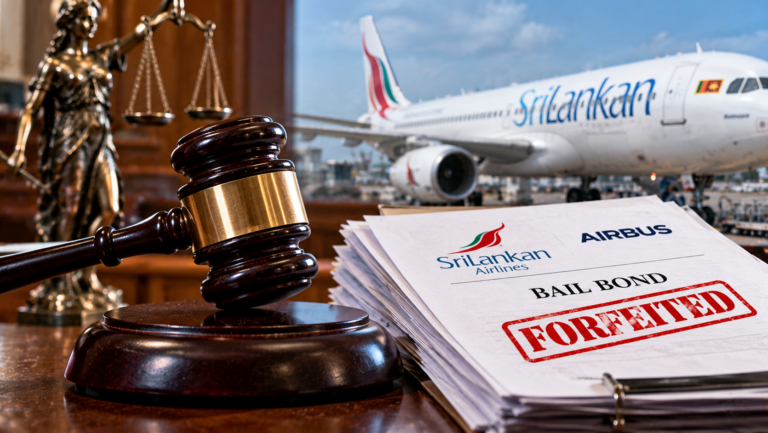
There was a time during the Yahapalana administration, under President Maithripala Sirisena and Prime Minister Ranil Wickremesinghe, when SriLankan Airlines found itself repeatedly in the spotlight for all the wrong reasons.
During that period, this writer, along with Uvindu Kurukulasuriya, founder-editor of Colombo Telegraph, published a series of investigative reports exposing concerns surrounding the national carrier. At the center of it all was the then Chairman Ajith Dias, a man whose professional background lay largely in the apparel industry, with no prior experience in aviation.

It was a time of turbulence, not just in the skies but within the airline’s very structure.
Alongside Dias was Capt. Suren Ratwatte, who stepped in as CEO. While Ratwatte had extensive flying experience with Air Lanka and Emirates, critics pointed out his lack of corporate management experience at a time when the airline required strong administrative leadership.
The period was marked by strained relations with the Pilots’ Guild, repeated internal conflicts, and what many viewed as a steady erosion of the airline’s legacy. Yet, the most controversial decision of that era remains the cancellation of the Airbus A350 aircraft order, a move that reportedly cost Sri Lanka over USD 100 million, amid widespread speculation of commissions linked even to the cancellation itself.
In the aftermath, Ratwatte quietly relocated to Melbourne, Australia, while Dias faded from public view.
A Chance Encounter in London
Years later, an unexpected encounter has brought Ajith Dias back into conversation.
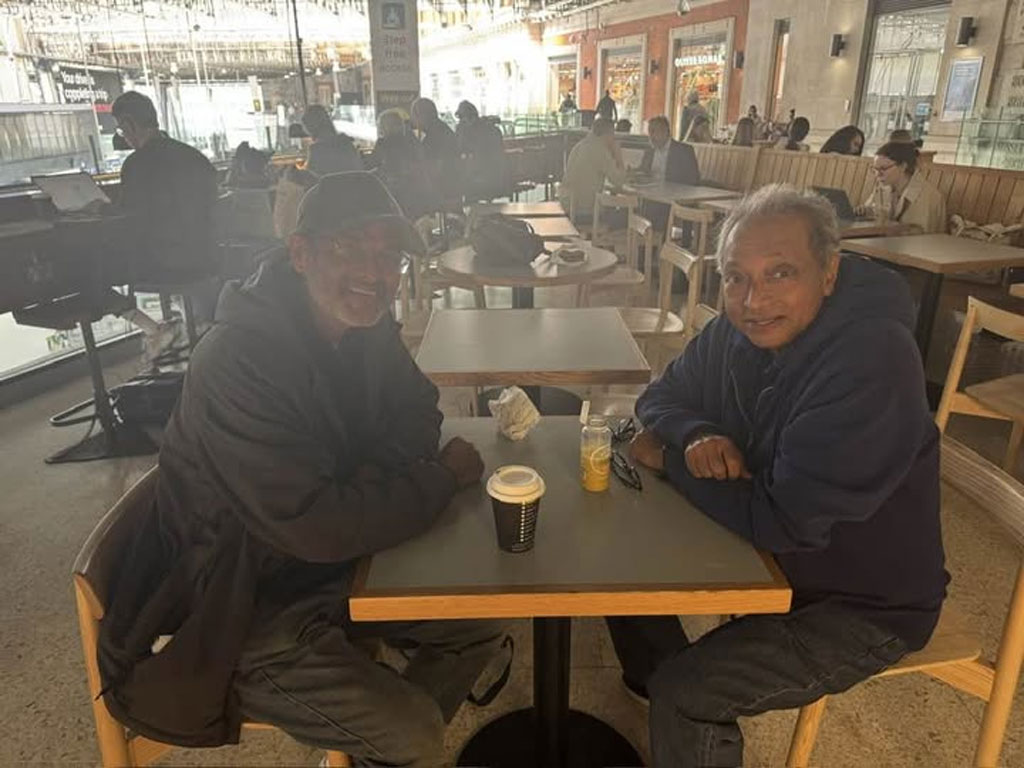
Earlier today, Uvindu Kurukulasuriya revealed that he had met Dias in London, quite by chance, and spent nearly two hours in conversation with him over coffee.
In a reflective post, Uvindu described the former chairman not as the controversial figure once associated with SriLankan Airlines, but as a man living a markedly different life, one of quiet withdrawal.
Dias, once a powerful corporate figure and a key player in Sri Lanka’s apparel industry, has now divested his business interests and stepped away from the world of high-stakes decision-making. He currently engages in small-scale agricultural work, having chosen a life far removed from boardrooms and national institutions.
Uvindu went on to describe Dias as a deeply composed and diplomatic individual, even drawing a striking comparison to the late Lakshman Kadirgamar, noting similarities in demeanor, expression, and intellectual depth.
A Quiet Exit and Lingering Questions
Despite his outward calm, Dias reportedly expressed a sense of sadness over his decision to sell off his remaining cashew and mango plantations, particularly because of the many rural livelihoods that depend on them.
Here is a man who, by all accounts, created employment opportunities for thousands across Sri Lanka and beyond, now choosing to retreat into a quieter, more solitary existence.
Politically, he is said to remain aligned with the United National Party, but appears to have no desire to return to public life.
From Influence to Irrelevance or Reflection?
The transformation of Ajith Dias, from a controversial figure at the helm of a struggling national airline to a man seeking peace in obscurity, raises a broader question.
What becomes of those who once held power when the spotlight fades?
And perhaps more importantly, should those currently in positions of authority seek counsel from individuals who no longer have anything to gain?
As Uvindu himself noted, there may be value in listening to those who have stepped away from ambition, especially those who have seen both the heights of influence and the weight of its consequences.