J.R. Jayewardene’s wit, strategy and sharp humour shaped the lasting public image of one of Sri Lanka’s most debated leaders.
J.R. Jayewardene remains one of Sri Lanka’s most unforgettable political figures, remembered as much for his wit and instinct as for his sweeping reforms.
Few leaders in modern South Asian history have left behind a legacy as layered, controversial, and strangely entertaining as Junius Richard Jayewardene, widely known as J.R. Jayewardene or simply “J.R.” In Sri Lanka, he is still admired and criticised as the leader who permanently changed the island’s political and economic direction. Yet beyond the constitutional reforms, the open economy, and the executive presidency that defined his rule, another side of the former president continues to live in public memory. It is a side shaped by sarcasm, theatrical calm, sharp humour, and a rare ability to turn tense political moments into stories people still repeat decades later.

Born in 1906 into a Christian family before later embracing Buddhism, Jayewardene rose from Colombo’s elite educational circles to become a lawyer, sportsman, and one of the most formidable political strategists Sri Lanka had ever seen. His sweeping 1977 electoral victory changed the country’s course, opening the economy and concentrating presidential power in ways that reshaped Sri Lanka’s democracy. Even while critics accused him of centralising authority, both supporters and opponents recognised a personal charisma that did not depend on loud speeches. It came instead through dry humour, subtle mockery, and an almost aristocratic composure.
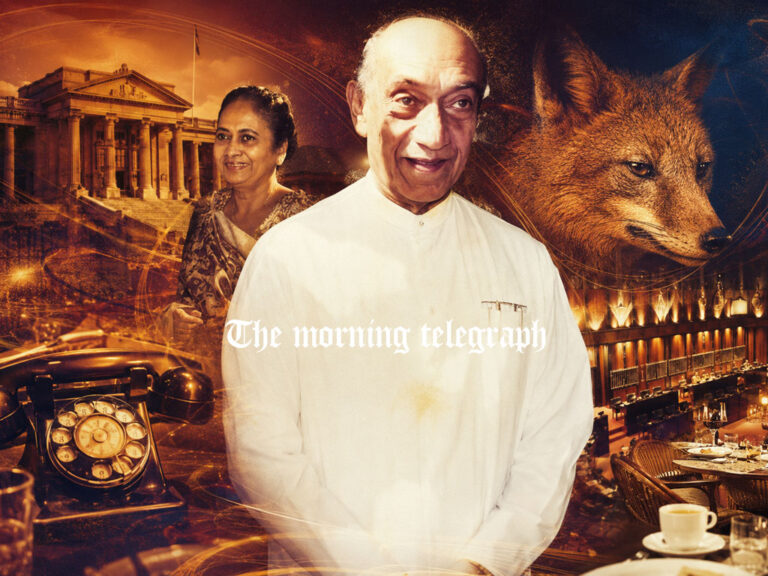
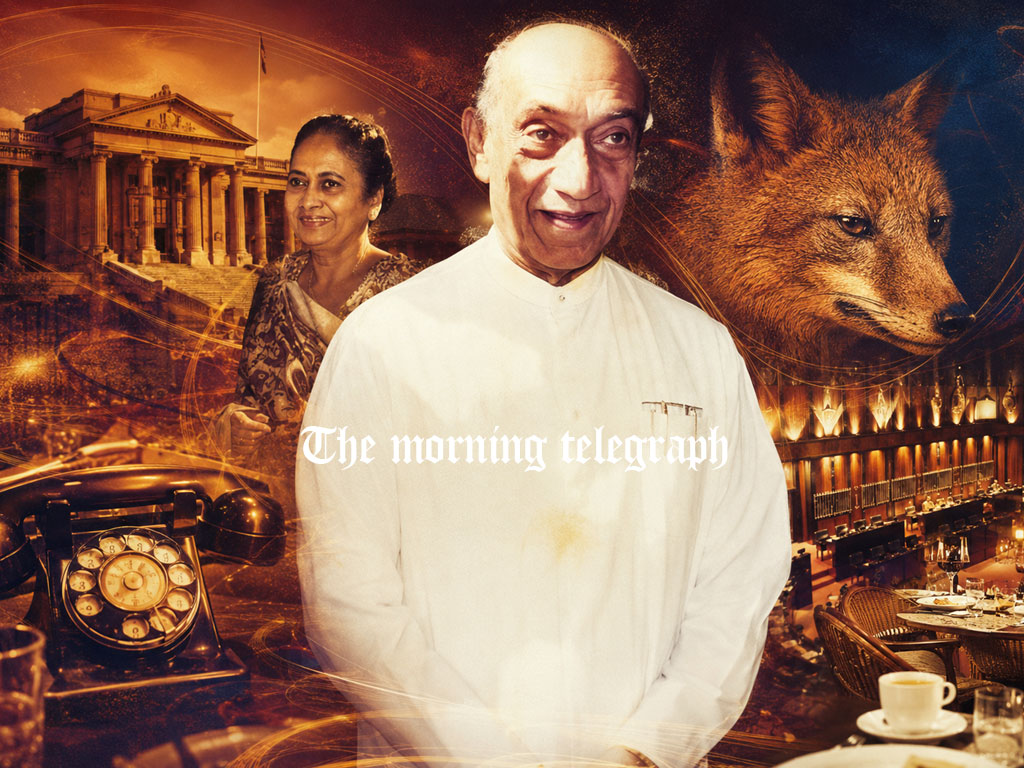
That composure became legendary. One of the most repeated stories from his presidency involved an early morning telephone call to a government office. When Jayewardene identified himself to the official who answered the phone, the man assumed it was a prank and reportedly told the president to “go to hell” before hanging up. Instead of reacting with fury, Jayewardene later laughed about the incident and described the official as a “gutty man.” What could have turned into a disciplinary scandal instead became a celebrated anecdote about his tolerance for irreverence.
His calm manner appeared again during an unexpected visit to the famous Hotel de Buhari in Maradana. Accompanied by security officers and journalists, the president entered the crowded restaurant, only to be told by an unaware cashier to wait fifteen minutes for a table. Staff members panicked once they realised who the guest was, but Jayewardene reportedly reassured them, sat quietly like any ordinary customer, ate biryani, and paid the bill himself from his wallet. In a political culture often marked by displays of authority, the simplicity of that moment became part of his carefully shaped mystique.
Jayewardene’s relationship with language also became a source of fascination in Sri Lanka. Though fluent in English and educated in colonial institutions, he often admitted that he thought in English before translating his ideas into Sinhala. This produced a distinctive speaking style filled with unusual phrases that sometimes sounded unintentionally comic. On one occasion, after politician Lalith Athulathmudali was injured in a parliamentary bomb attack, Jayewardene reportedly said Athulathmudali had “enjoyed the injuries,” mistakenly using a phrase usually linked to pleasure to describe physical wounds. The remark quickly entered Sri Lankan political folklore.
Even critics admired the speed of his replies. During an interview, a foreign journalist once mentioned that people called him the “Old Fox.” Jayewardene smiled and replied that while he might indeed be a fox, he was not one who stole chickens from other people’s coops. The remark strengthened a nickname that followed him throughout his political life and reinforced the image of a leader who understood power as a strategic game of survival.
That strategic instinct also shaped his international diplomacy. Despite being labelled “Yankee Dickie” because of his pro-Western economic outlook, Jayewardene maintained surprisingly warm personal ties with leaders from ideologically different states. One of the most colourful examples involved Cuban leader Fidel Castro. According to accounts from associates, Jayewardene regularly sent premium Sri Lankan tea to Castro, who in return mailed Havana cigars to Colombo every month. The unusual exchange symbolised Jayewardene’s ability to separate personal diplomacy from ideological conflict during the Cold War.
His humour also surfaced at high-level diplomatic events. When Indian Prime Minister Rajiv Gandhi visited Sri Lanka to sign the Indo-Lanka Accord, Jayewardene reportedly gifted him a pair of spectacles similar to those worn by Mahatma Gandhi, joking that the Indian leader needed to “see things more clearly.” Beneath the humour was a pointed reference to the difficult political tensions between the two countries at the time.
In Washington, he showed similar theatrical wit while presenting an elephant calf to U.S. President Ronald Reagan during a 1984 visit. Jayewardene jokingly observed that although Reagan publicly described the gift as coincidental, Sri Lanka’s own elephant symbol had carried his party to victory in 1977 and perhaps could bring similar luck to the American president. Such remarks allowed him to command diplomatic rooms not through force, but through calculated charm.
At home, however, Jayewardene cultivated the image of a surprisingly modest man despite wielding immense constitutional power. Stories from aides and family members describe him sleeping on an old worn mattress long after becoming president, refusing to replace it even when doctors advised a new one for his back pain. He reportedly loved chocolates but secretly ate them against medical advice because his wife Elina closely watched his sugar intake. Family anecdotes portrayed him less as an untouchable ruler and more as a mischievous patriarch who enjoyed teasing those around him.
Animals also held an affectionate place in his life. A black German Shepherd named Kalu reportedly slept near his office desk, while he also kept a star tortoise at home. Even in his nineties, relatives recalled that he followed a daily “Canadian exercise” routine immediately after waking, helping him remain surprisingly active in old age.
Retirement did little to reduce his appetite for political theatre. When false rumours spread that he had died, a journalist called his residence seeking confirmation. Jayewardene himself answered the telephone and reportedly told the reporter to “write that the old fox is still alive.” In another exchange with journalists after leaving office, he described himself as “the last king of Sri Lanka,” arguing that no future leader would possess the same level of authority he had enjoyed under the executive presidency he created.
That awareness of his own historical role never faded. Even during his final illness, he continued joking about death and media control. When a friend asked about his health, he reportedly said newspapers should only be believed if they announced his death. Even then, he implied, only after he had somehow controlled the process himself. Such remarks reflected a man deeply aware of the myths surrounding his public identity.
Jayewardene died in 1996 at the age of ninety, closing one of the most consequential political chapters in Sri Lankan history. His record remains fiercely debated. To supporters, he modernised Sri Lanka and connected the island to the global economy. To critics, he deepened inequality and centralised power in dangerous ways. Yet whatever one’s political opinion, the stories surrounding him continue to endure because they reveal something rare in modern politics: a leader able to mix authority with irony, ambition with self-awareness, and intellect with humour.
Today, long after his presidency ended, the “Old Fox” still occupies a singular place in Sri Lanka’s political imagination. In a country where leaders are often remembered through ideology, crisis, or conflict, J.R. Jayewardene survives equally through laughter. His one-line responses, sarcastic observations, and moments of calculated calm turned ordinary encounters into enduring national folklore.