Sri Lanka debt has risen to Rs.33.2 trillion, Ravi Karunanayake claims, warning of rupee pressure, import controls and economic risk.
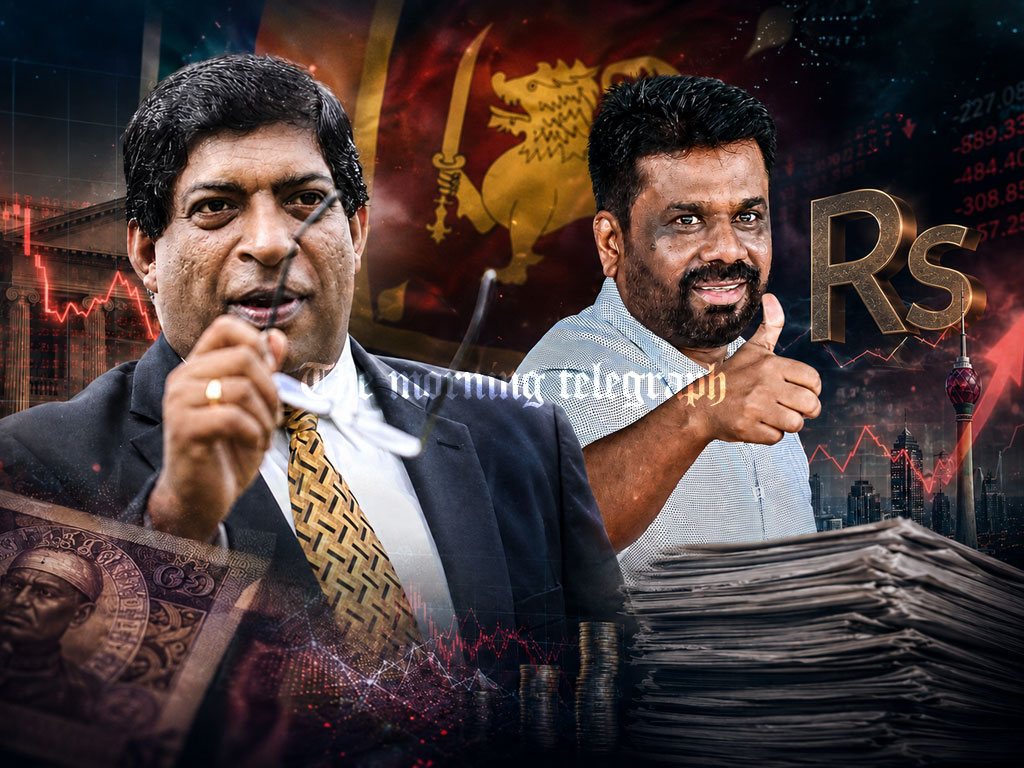
Sri Lanka debt has climbed sharply under the current government, former Finance Minister Ravi Karunanayake has warned, claiming the economy is being pushed into a deeper crisis.
Karunanayake said the country’s total debt burden had increased by Rs. 5 trillion within just 16 months of the current administration.
He pointed out that Sri Lanka’s total debt, which stood at Rs. 28.3 trillion in September 2024, has now risen to Rs. 33.2 trillion.

According to him, this represents a massive increase in national debt during a short period.
Karunanayake further said the value of the US dollar, which had previously stood at around Rs. 290, has now increased to Rs. 331.
He alleged that the Central Bank and the Ministry of Finance are deliberately taking decisions that have created damaging consequences for the country’s economy.
The former Finance Minister also stated that one major reason for the current crisis is the absence of a proper system to investigate delays in receiving foreign remittances.
He said this weakness has contributed to pressure on the country’s foreign exchange position.
Karunanayake also expressed alternative views regarding the vehicle import restrictions imposed by the government in response to the economic situation.
He said Sri Lanka had restricted vehicle imports for three months, and although the government describes the move as a protective measure, economists see it as fear disguised as policy.
According to him, stopping imports does not protect the rupee.
He argued that a better solution would be to allow Sri Lankans to import vehicles using their own US dollars or foreign exchange resources.
Under such a model, the burden of finding foreign exchange would fall entirely on the importer, not on the government or the Central Bank.
Karunanayake said this approach would allow the country to benefit from customs duties and other taxes while avoiding unnecessary market distortions and black market pressure.
He stressed that Sri Lanka needs practical, market-oriented solutions that generate revenue without creating artificial crises.
The former Finance Minister further warned that the government’s current programme of increasing interest rates and restricting imports would continue to damage the economy.
He also alleged that financial institutions are not acting with proper responsibility at a time when the country is facing serious economic pressure.