By Roy Denish
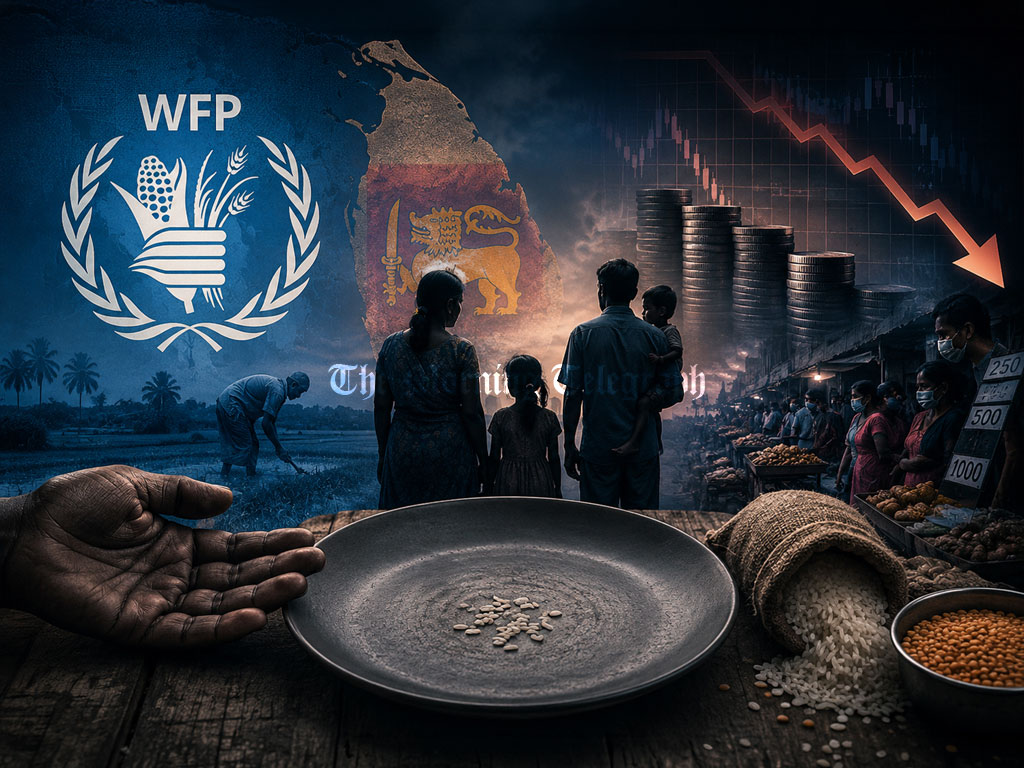
Sri Lanka’s food crisis is deepening as inflation, weak harvests, fertilizer shortages, and shrinking household incomes push millions toward hunger and long-term hardship.
Sri Lanka is caught in the grip of an unprecedented macroeconomic crisis, leaving families across the country scrambling to put food on the table. A comprehensive food security monitoring assessment reveals a stark and troubling reality: more than a third of the population is actively facing food insecurity. This represents a massive shift from just a few years prior, when the country boasted single-digit food insecurity levels, laying bare the deep scars left by rampant inflation, depleted state reserves, and severe disruptions to domestic agriculture.
While the mid-autumn harvest of staple crops brought a brief, relative stabilization to local wholesale markets, the relief has done little to ease the psychological and financial strain on ordinary citizens. Food price anxiety remains nearly universal, weighing heavily on nine out of ten households. With food inflation squeezing wallets to the breaking point, the social fabric is being stretched thin as communities lean heavily on survival tactics just to get by. Over half of all households are now actively borrowing money, pawning possessions, or purchasing daily essentials on credit, while others are forced to skip debt payments and pull funds away from healthcare and education.

The crisis is far from an equalizer, cutting along deep socio-economic, geographic, and gender lines. Households without any steady income or those relying on unpredictable informal work are bearing the heaviest burden, showing staggering rates of food insecurity compared to those with stable, regular salaries. A sharp gender gap has also emerged; female-headed households are facing significantly higher rates of food insecurity, with severe cases outnumbering male-headed households nearly fourfold. Geographically, rural areas are experiencing the brunt of acute shortages, while families tucked away in the remote, mountainous regions of Uva and Sabaragamuwa provinces are reporting the highest overall levels of hardship.
Dietary quality has deteriorated sharply alongside financial access. More than thirty percent of households cannot consume an adequate diet, with typical family meals frequently missing essential animal proteins, fruits, and dairy. Dairy consumption, in particular, has plummeted by half over the latter portion of the year, cementing its status as the least consumed food group in the country. To manage these shrinking resources, seven out of ten families regularly turn to food-based coping mechanisms, which most commonly involve shifting to cheaper, less preferred ingredients, slashing portion sizes, or skipping meals entirely.
The immediate outlook offers little room for optimism. Farmers preparing for the upcoming cultivation season are facing severe roadblocks, primarily driven by the astronomical cost and limited availability of chemical fertilizers, alongside unpredictable monsoon rains and pest outbreaks. Nearly a third of these agricultural workers expect to scale back their planting acreage, threatening future yields. Coupled with an impending lean season, ongoing import restrictions, and a high demand for festive goods, the underlying drivers of this systemic shortage show no signs of abating, keeping the nation’s fragile food security under constant threat.
To help visualize how these converging economic pressures have manifested across the timeline of the crisis, the following chronological breakdown outlines the monthly shifts in food insecurity alongside the major macroeconomic disruptions shaping the country.
The Initial Shock
June
Food insecurity stands at 32 percent amid a 75.8 percent food inflation rate. Widespread shortages of fuel and medicine emerge alongside a poor harvest, prompting the launch of a joint Humanitarian Needs and Priorities Plan.
Peak Disruptions
July
Insecurity climbs sharply to 37 percent as food inflation hits 82.5 percent. Island-wide protests and intense fuel shortages trigger month-long school closures and public sector shutdowns, while emergency international food assistance begins.
Inflationary Peak
August
Food insecurity hits a high of 49 percent against a staggering 84.6 percent inflation rate. Skyrocketing prices and a lack of fuel supplies push families to extreme coping measures while farmers work through the Yala harvest.
Temporary Stabilization
September
Drops back to 32 percent as the Yala harvest hits markets and food stocks are released, easing wholesale prices. Food inflation edges to 85.8 percent, and a preliminary agreement is reached with the IMF for a 2.9 billion dollar package.
Renewed Stress
October
The situation tightens again with food insecurity rising to 36 percent. Food inflation tracks at 80.9 percent as the critical Maha season planting begins across the country.
Entrenched Crisis
November
Food insecurity edges up to 37 percent, with food inflation sitting at 69.8 percent. Despite ongoing cultivation, compounding factors like high food prices, structural divides, and the approaching lean season keep emergency safety nets under severe strain.
To provide a quick visual overview of the core realities currently facing families across the country, the primary data points, behavioral shifts, and demographic disparities are outlined below.
- More than a third of the population is actively facing food insecurity, marking a massive surge from the single-digit rates seen just a few years prior.
- An overwhelming nine out of ten households cite food prices as their primary daily concern, driven by months of staggering inflation.
- Over half of all families are forced to borrow money, pawn possessions, or rely on credit to put basic meals on the table.
- Seven out of ten households regularly turn to food-based coping strategies, most commonly shifting to cheaper ingredients, cutting portion sizes, or skipping meals entirely.
- More than thirty percent of households cannot secure an adequate diet, with essential nutrition like dairy consumption dropping by half over the latter half of the year.
- A profound gender gap has emerged, with severe food insecurity among female-headed households outnumbering male-headed households nearly fourfold.
- A stark income divide exists, as over seventy percent of households without a steady income face food insecurity compared to just over twenty percent of those with regular salaries.
- Geographically, families in rural areas face the highest risk, with the highest concentration of food-insecure households located in Uva and Sabaragamuwa provinces.
- Nearly a third of agricultural workers plan to cut back their planting acreage for the ongoing cultivation season due to high costs and shortages of chemical fertilizers.
- The immediate outlook remains highly vulnerable, with an impending lean season, import restrictions, and unpredictable monsoon weather threatening to worsen the shortages.
The systemic erosion of Sri Lanka’s food security is not merely a temporary byproduct of economic inflation, but a profound humanitarian crisis that threatens to leave long-term scars on the nation’s human capital. The fact that over a third of the population cannot consistently secure basic nutrition—while seven out of ten families resort to reducing meals and eroding their household assets—points to a deeply fragile social landscape. Because the crisis disproportionately strikes rural communities, informal workers, and female-headed households, it actively widens preexisting structural inequalities, trapping the most vulnerable segments of society in a cycle of debt and systemic deprivation.
True recovery will require moving far beyond short-term wholesale market interventions or temporary price stabilizations. With nearly a third of the nation’s farmers planning to scale back cultivation due to skyrocketing input costs, the domestic food supply chain remains dangerously compromised on the eve of an unpredictable lean season. Reversing this trajectory demands a coordinated approach that couples immediate, targeted international humanitarian aid for high-risk regions with deep, structural agricultural reforms. Until small-scale farmers gain sustainable access to critical cultivation inputs and vulnerable households are protected by robust social safety nets, the fundamental right to food security will remain entirely out of reach for millions of Sri Lankans.