By Roy Denish
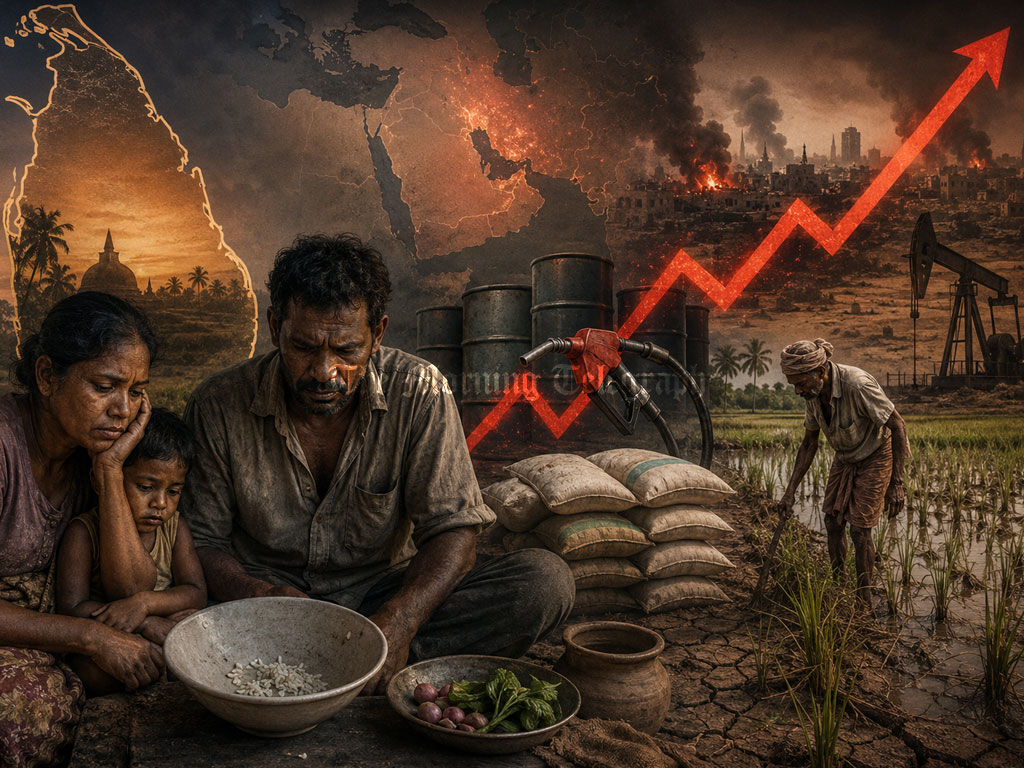
Sri Lanka’s hunger risk is deepening as Middle East turmoil drives up fuel, fertilizer, and food costs, threatening millions already struggling to survive.
More than 1.3 million people in Sri Lanka are facing worsening hunger as the ongoing conflict in the Middle East drives up fuel and fertilizer costs, fulfilling a dire warning issued months ago by United Nations officials.
A new report by the U.N. World Food Programme (WFP) reveals that the economic fallout from the Middle East crisis is hitting vulnerable countries far from the combat zone. Globally, the WFP notes that a March prediction of up to 45 million people falling into acute food insecurity is now actively unfolding, triggered by sustained high oil prices.
In Sri Lanka, the crisis has added a fresh layer of economic misery for a population still recovering from its own severe financial shock. While food remains available in local markets, skyrocketing prices have priced basic nutrition out of reach for the country’s poorest families.

“Early warnings only matter if the world acts on them,” said Jean-Martin Bauer, director of WFP’s food security and nutrition analysis service. “We warned that this crisis could push millions more people into hunger; now we are watching it happen in real time.”
Beyond immediate food price inflation, experts are deeply concerned about the long-term threat to Sri Lankan agriculture. Local farmers are currently navigating planting seasons under the weight of high fuel costs and acute fertilizer shortages, a combination expected to severely depress upcoming crop yields and trigger another round of food price spikes later this year.
“One of the biggest concerns is that the full impact of this crisis has yet to be felt,” Bauer said, noting that even an immediate end to the Middle East conflict would not stop the residual damage to global livelihoods and supply chains.
The crisis is also crippling the WFP’s ability to help. Confronted by what it calls a “triple squeeze” of rising global needs, higher shipping costs, and shrinking donor budgets, the agency estimates it will serve 1.5 million fewer people than originally planned this year.
If funding shortages continue, the WFP warned that more than 9 million people worldwide could lose food assistance entirely in the coming months, shifting the situation from a severe shortage to a catastrophic hunger emergency.