By Dwayne Ferreira.
The Trump administration’s new Iran deal has taken immediate effect, setting off a major diplomatic and economic test for Washington, Tehran and the wider Middle East.
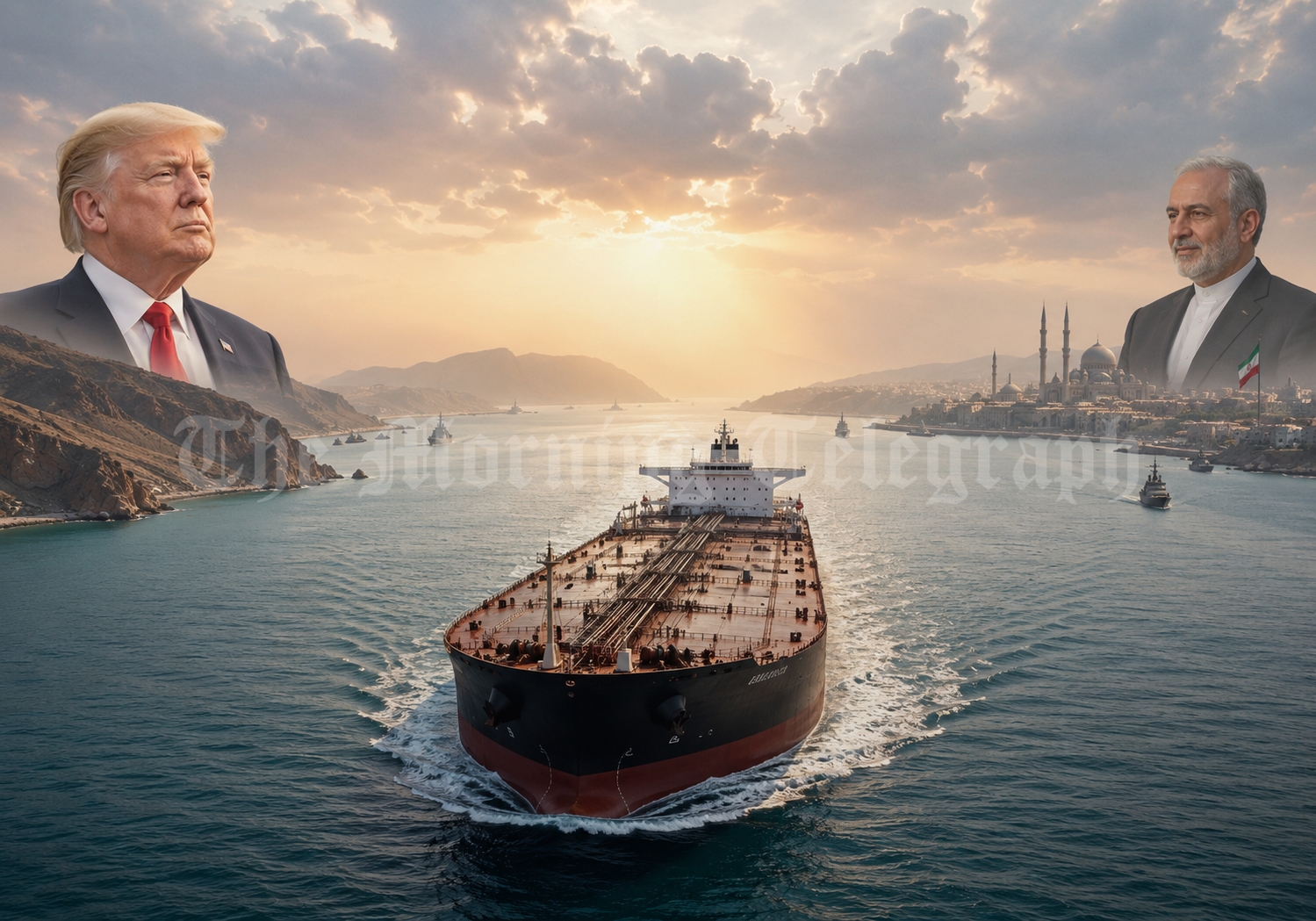
The Trump Iran deal has taken immediate effect, opening a major diplomatic and economic test for Washington, Tehran and the wider Middle East as oil flows resume through the Strait of Hormuz. According to remarks discussed in a televised segment, both sides have signed the agreement, allowing the first phase of the deal to begin while negotiators continue working through longer-term arrangements.
The most immediate impact appears to be in the Strait of Hormuz, one of the world’s most important oil shipping routes. Vice President JD Vance said 12.5 million barrels of oil passed through the strait overnight, describing it as the highest level since the conflict began.
Oil Movement Resumes Through Strait Of Hormuz
US Central Command has reportedly begun lifting the blockade, allowing commercial vessels to resume movement through the area. The movement of oil through the waterway is significant because the Strait of Hormuz is central to global energy security. The first ships mentioned in the segment included Saudi supertankers, signalling that Gulf energy flows are beginning to return to normal.
Oil prices have also fallen back toward pre-conflict levels. The Trump administration has presented the decline as an early sign that the agreement is helping calm global markets. Trump praised the development by pointing to lower oil prices, stronger stock market performance and gains in retirement savings accounts. He framed the moment as evidence that his approach toward Iran was delivering results for the American economy.
Sanctions Relief And Nuclear Inspections At Centre Of Deal
The agreement is not only about oil. It also raises major questions over Iran’s nuclear programme, regional influence and future access to international money. According to the administration’s explanation, Iran will not receive direct American money under the agreement. Instead, economic benefits would come through controlled sanctions relief and possible investment from regional partners, including Gulf countries, if Tehran follows the terms of the deal.
Supporters of the agreement argue that this structure gives Washington leverage. They say Iran would only gain economic relief if it complies with nuclear restrictions, allows inspections and avoids destabilising activity in the region.
The deal has been sharply contrasted with the Obama-era nuclear agreement. Trump allies argue that the earlier arrangement gave Iran too much room to enrich uranium and access financial benefits, while the new agreement is being described as performance-based.
Under the current framework, Iran is expected to allow international nuclear inspections and cooperate with efforts to identify and deal with enriched nuclear material. The transcript says Iran has invited the International Atomic Energy Agency to inspect nuclear sites and that US nuclear inspectors may also be allowed into the country.
If carried out, those inspections would become one of the most important tests of the agreement. The administration has repeatedly said the deal must be judged by action, not promises.
Vance also defended the agreement by saying Iran is now in a weakened position and may have a stronger incentive to comply. He argued that if Iran fails to follow through, it would lose the benefits of the bargain and face renewed pressure.
Security Framework Proposed For Gulf Waterway
Another major concern is whether Iran could later use the Strait of Hormuz as leverage by threatening tolls, delays or renewed disruption. Vance rejected the suggestion that the deal would allow Iran to control the waterway in that manner.
He said future negotiations involving Oman, Iran and Gulf partners would focus on creating a security framework that keeps the strait open and prevents it from being used again as a choke point for the global economy.
The administration has also warned that sanctions could return quickly if Iran violates the terms of the agreement. Vance described the deal as a dial, where economic relief can be increased for compliance and turned off if Iran moves back toward nuclear activity or regional aggression.
Israel And Washington Critics Raise Concerns
Israel also features heavily in the debate. The transcript suggests that parts of the Israeli government are unhappy with the agreement because they wanted a harder line against Tehran, possibly including regime change.
Vance warned that Israel should act with caution, especially after violence in civilian areas of Lebanon. He said the United States remains deeply supportive of Israel but made clear that Washington does not want actions that could undermine the new diplomatic process.
The deal has already triggered political arguments in Washington. Critics worry that Iran could use economic relief to rebuild its military, fund proxy groups or restart nuclear work once pressure eases.
Supporters counter that Iran’s military and nuclear infrastructure have already been badly damaged and that the deal gives the United States more visibility over Iranian oil sales and financial flows than before.
Early Success Still Faces Major Risks
The biggest question now is whether the agreement can hold beyond its early stage. The transcript presents the first day as positive, with oil moving, the strait reopening and Iran showing signs of cooperation on inspections.
Still, the risks remain high. Iran has a long history of confrontation with the United States and its regional rivals, while Israel and several American critics remain deeply sceptical of any arrangement that gives Tehran economic breathing room.
For now, the Trump administration is presenting the deal as a major foreign policy breakthrough. If it holds, it could reduce pressure on oil markets, reopen one of the world’s most important shipping routes and reshape the balance of power in the Middle East.
If Iran fails to comply, however, the same agreement could quickly become the next major flashpoint in an already volatile region.
#TrumpIranDeal #IranDeal #StraitOfHormuz #OilPrices #GlobalEconomy #MiddleEast #USIran #EnergySecurity #NuclearDeal #SanctionsRelief #WorldNews #InternationalRelations #GulfSecurity #OilMarket #Geopolitics #TrumpAdministration #IranNuclearDeal #ShippingRoutes #GlobalTrade #BreakingNews