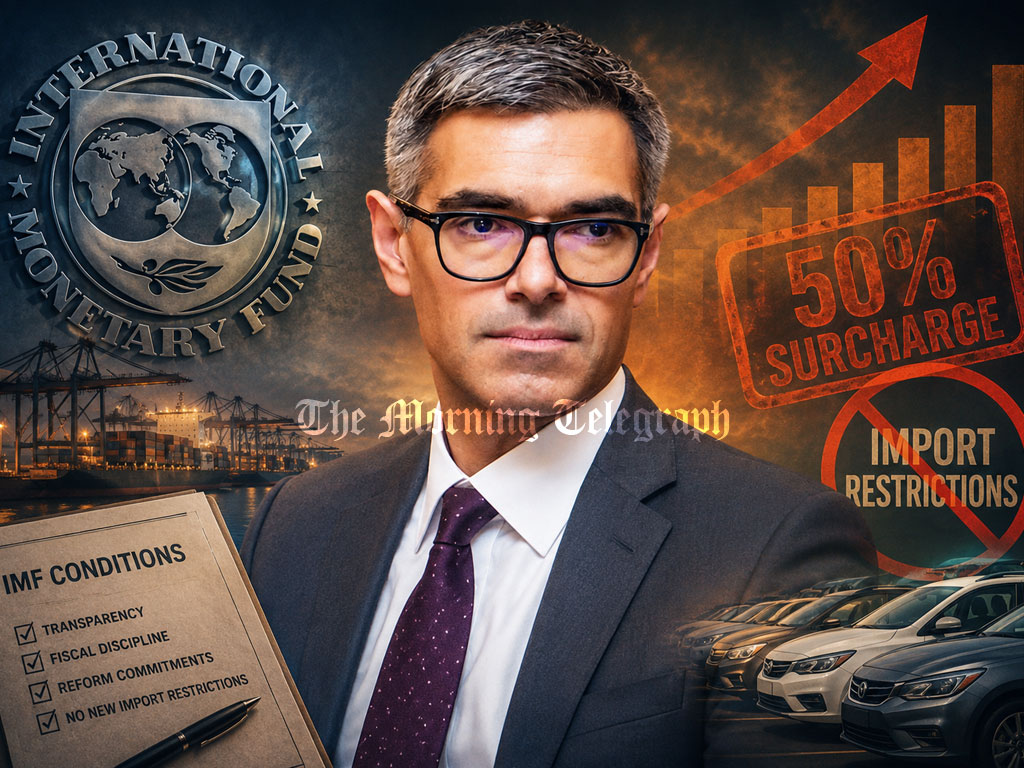
Vehicle import surcharge hike violates IMF conditions, with Sri Lanka expected to remove the 50 percent tax by August 15.
Vehicle import surcharge increase by 50 percent violates conditions under Sri Lanka’s International Monetary Fund assistance programme, IMF Mission Chief Ewan Papageorgiou said.
Speaking at a media briefing yesterday (30), Papageorgiou said the IMF firmly expects the government to remove the additional tax at the end of the three-month period.
He also stressed that import restrictions of this nature are not encouraged under IMF assistance programmes.

Sri Lankan authorities had informed the IMF Executive Board during the fifth and sixth reviews that the tax hike was a temporary measure to manage the rapidly widening gap between export income and import expenditure.
After considering those factors, the Executive Board expects the 50 percent additional surcharge to be removed by August 15.
Papageorgiou also noted that before talks on a new fund programme can begin, the current programme must be successfully completed. Two more reviews remain under the present programme.
The current IMF assistance programme is scheduled to end in March next year, while the seventh review, which will formally assess Sri Lanka’s progress, is planned for the end of this year.
Papageorgiou said that regardless of the final outcome of the programme, the IMF will remain a trusted advisor to Sri Lanka, and the country can seek the Fund’s support whenever required.
The ongoing war situation in the Middle East has placed heavy pressure on Sri Lanka’s economy and created significant uncertainty.
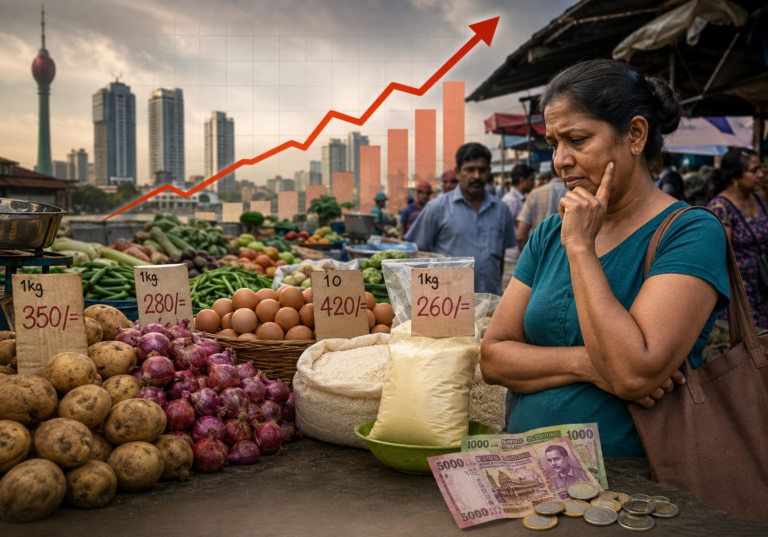
Due to rising energy prices, inflation increased from 1.6 percent in February to 5.5 percent by May.
The IMF Mission Chief also pointed out that foreign tourist arrivals and the process of building gross foreign reserves have slowed.
In response to the situation, the Central Bank of Sri Lanka has increased its policy interest rate by 1 percent and taken several measures to prevent broader risks to the financial system.
The government has also moved to implement a relief package for vulnerable communities affected by current economic pressures.
Papageorgiou emphasized that Sri Lanka must continue its economic reform agenda to stabilize the progress already achieved and strengthen resilience against external shocks.
The IMF mission team visited Sri Lanka officially from June 24 to yesterday (30), holding several rounds of discussions with senior authorities, including the President.
Although the visit was not an official review, the seventh review scheduled for the end of the year will examine Sri Lanka’s economic progress in detail.