By Roy Denish.
A dengue epidemic surge in Sri Lanka and Bangladesh turns deadly as a student’s final message reveals how fast the virus can kill.
The dengue epidemic claimed another young life after a University of Sri Jayewardenepura undergraduate sent a final, heartbreaking message from a crowded hospital ward.
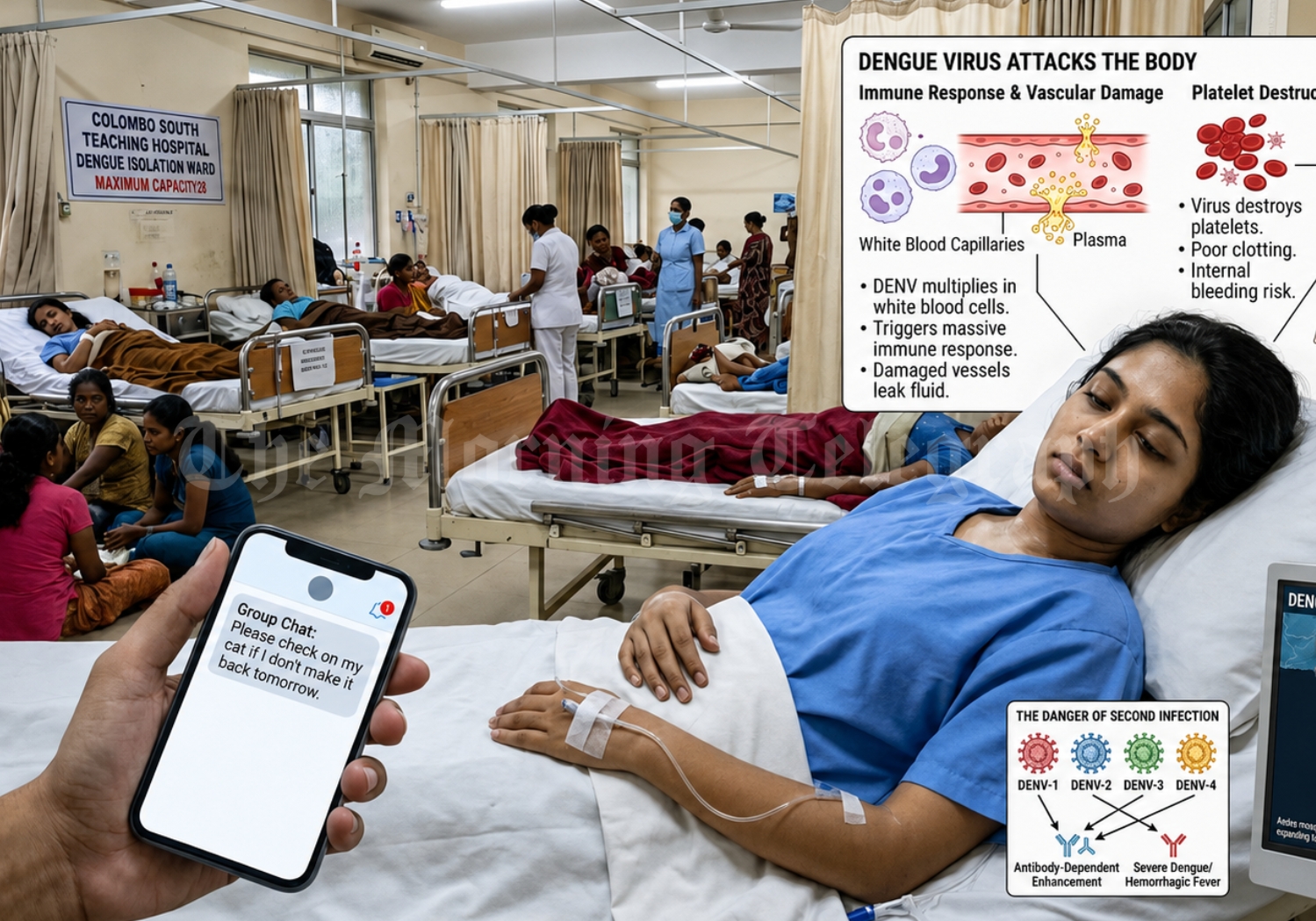
“Please check on my cat if I don’t make it back tomorrow,” read the last text message sent to a muted group chat. It sounded like a routine request. Instead, it became a haunting farewell.
The twenty-three-year-old student sent the message from the Colombo South Teaching Hospital. Just days earlier, she had been preparing for her final exams. What began as mild, vague fatigue quickly turned into a raging fever. Soon, she became too weak to lift her phone.
Within forty-eight hours of admission, her blood pressure crashed and her organs failed. She became one of the latest tragic casualties of the dengue epidemic sweeping through student boarding houses in Gangodawila. Her death stunned the university community and exposed how quickly this familiar illness can become fatal.

Dengue Epidemic Strains South Asian Hospitals
The tragedy in suburban Colombo reflects a wider public health crisis across South Asia. Dengue has become a deadly threat, and it is straining hospitals in Sri Lanka and Bangladesh.
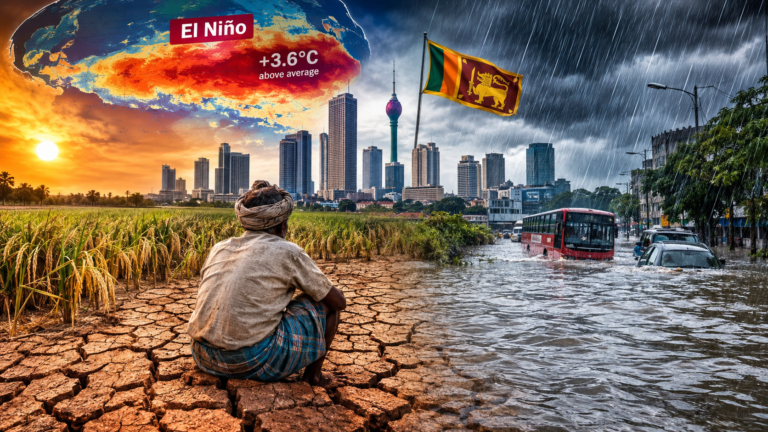
In Sri Lanka, intense southwest monsoon rains and local flooding have driven an alarming surge. Annual cases have now passed fifty-four thousand. Nearly half remain concentrated in the densely populated Western Province.
Major facilities, including the Infectious Disease Hospital in Colombo, are operating at maximum capacity. Doctors and health workers continue to manage a steady influx of patients arriving at nearly one thousand new cases a day.
Meanwhile, Bangladesh faces a similarly grim reality. Barishal, Chattogram, and Dhaka are battling accelerating seasonal spikes. The country is still recovering from massive back-to-back outbreaks over the previous two years, with each outbreak recording more than one hundred thousand infections.
Unpredictable weather, high humidity, and the difficult work of municipal vector control have created ideal conditions for dengue to spread. Across both nations, what was once treated as a seasonal worry has now become an ongoing, cross-border medical emergency.
How Dengue Destroys The Body
The true danger of dengue lies in the way the virus attacks the body’s defense and structural systems. Once it enters the bloodstream through a mosquito bite, it targets white blood cells. It then uses those cells to multiply and move through the lymphatic system.
This triggers a massive, poorly coordinated immune response. The body releases inflammatory proteins that cause high fever, crushing weakness, and severe pain in the joints and muscles.
As the infection progresses, dengue damages the inner lining of blood vessels. It also suppresses bone marrow function. Tiny capillaries become abnormally leaky, allowing plasma to escape into surrounding body cavities. Fluid can then collect in the chest and abdomen.
At the same time, the virus destroys blood-clotting platelets and slows their reproduction. This creates a lethal mix of leaky vessels and poor clotting. As a result, patients can suffer spontaneous internal bleeding, severe bruising, and gastrointestinal bleeding.
Blood volume can then fall catastrophically. When blood pressure drops suddenly, vital organs lose oxygen. The result can be acute liver failure, kidney failure, shock, and eventual multi-organ collapse.
Why Second Infections Can Become Deadlier
Severe dengue becomes even more dangerous because the virus exists as four distinct strains, known as serotypes. Surviving one infection gives lifelong immunity to that specific strain. However, it can leave the person vulnerable to the other three.
If another mosquito later carries a different strain, the victim’s existing antibodies may fail to neutralize it. Instead, those antibodies can help the new virus multiply more aggressively. This process, known as antibody-dependent enhancement, sharply increases the risk of severe and fatal hemorrhagic fever.
A Global Threat Beyond The Tropics
On a global scale, the World Health Organization recognizes dengue as the fastest-spreading mosquito-borne disease on Earth. Climate change, unplanned urbanization, and hyper-global travel continue to push it forward.
Rising temperatures and shifting rainfall patterns have expanded the territory of the virus-carrying Aedes mosquito. The insect can now survive and breed in places that were once too cold, including parts of southern Europe and the United States. Warmer conditions also shorten the viral incubation period, allowing mosquitoes to transmit dengue faster.
Aedes mosquitoes are also highly adapted to human environments. They thrive in small pools of clean, stagnant water around crowded urban centers. In dense communities, the virus can move rapidly from person to person through infected mosquitoes.
International travel and trade add another danger. Infected travelers can carry the virus across borders. Meanwhile, resilient mosquito eggs can survive drying and travel unnoticed. Therefore, dengue has moved far beyond a localized tropical disease. It now demands aggressive community action and coordinated public health responses.