By Dwayne Ferreira.
NATO Iran strikes gain backing from Mark Rutte after renewed Strait of Hormuz attacks put a fragile ceasefire under pressure.
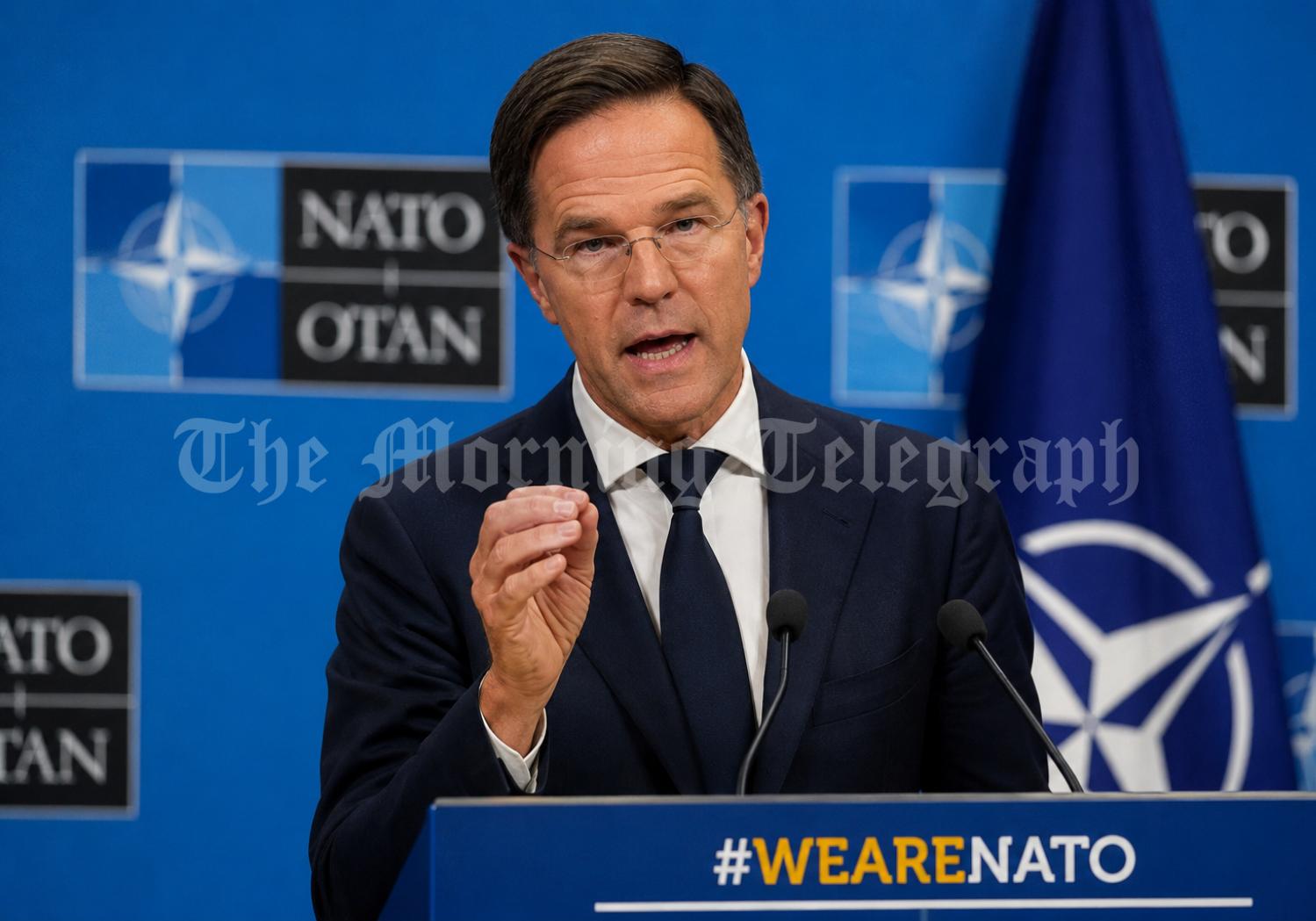
ANKARA, Turkey — NATO Iran strikes took centre stage on Wednesday after Secretary General Mark Rutte defended the latest U.S. military action, calling Washington’s response “absolutely necessary” as tensions deepened around the Strait of Hormuz.
Rutte spoke to reporters ahead of a NATO summit in Ankara. He said Iran had violated a fragile ceasefire and argued that the United States had to respond with force.
“When you have a ceasefire and Iran is basically violating the ceasefire, I think it is totally crucial that the U.S. forcefully reacts,” Rutte said, according to Reuters.
The remarks followed a fresh wave of U.S. strikes against Iran on Tuesday. The action came after attacks on three commercial tankers in the Strait of Hormuz. Washington also revoked a license that had allowed Tehran to sell oil, adding more pressure on Iran during a period of severe regional instability.

NATO Iran Strikes Put Ceasefire Under Pressure
The latest escalation has placed the ceasefire under serious strain. What was intended as a temporary path toward de-escalation has now been overtaken by military retaliation, threats to shipping routes, and growing fears of a wider conflict.
Rutte’s comments carry major political weight because they put NATO’s top official publicly behind the U.S. response. NATO has not formally entered the conflict as an alliance. However, the Secretary General’s remarks give Washington important diplomatic support at a critical moment.
The Strait of Hormuz remains one of the world’s most sensitive maritime chokepoints. Any disruption there can threaten global energy supplies and shipping security. As a result, the tanker attacks have increased concern across the Middle East, Europe, and Asia.
The NATO summit in Ankara had been expected to focus on alliance unity, defence spending, Ukraine, and wider security coordination. Instead, the Iran crisis has moved sharply to the centre of attention.
Trump Says Iran Understanding Is Over
U.S. President Donald Trump has also declared that the interim understanding with Iran is “over.” His remarks signalled that Washington’s patience with Tehran has run out. Reuters reported that the arrangement was meant to create a 60-day window for indirect talks toward a longer-term agreement.
Iran has denied responsibility for some of the attacks attributed to it. However, Washington has insisted that Tehran crossed a line. U.S. officials described the tanker attacks as dangerous and a violation of the ceasefire.
For NATO, the crisis presents a delicate test. European allies remain wary of being pulled deeper into another Middle Eastern conflict. Meanwhile, the United States is seeking firmer support from its partners. Rutte’s statement appears aimed at reinforcing alliance discipline and showing that NATO leadership views the U.S. action as legitimate.
However, the language could also deepen divisions. Washington may welcome the endorsement, but Tehran could see it as another hostile signal. It may also complicate diplomatic efforts that are already under heavy pressure.
The central question now is whether the latest U.S. strikes will restore deterrence or trigger another round of retaliation. With commercial shipping under threat, oil markets nervous, and NATO leaders meeting under the shadow of a widening crisis, the conflict has entered a more dangerous phase.
Rutte’s message was clear: if a ceasefire is violated, there must be consequences. But in the Middle East, every consequence now carries the risk of escalation.