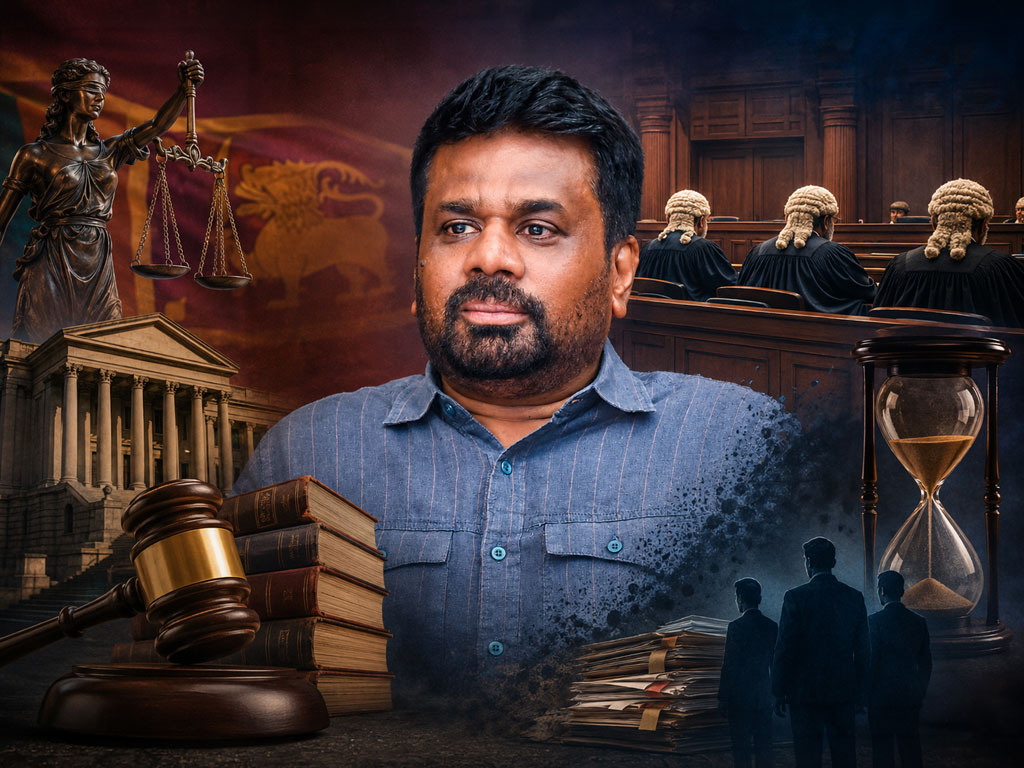
The judges retirement age proposal has drawn criticism over judicial independence, constitutional reform and the lack of public consultation.
The judges retirement age proposal to extend the retirement age of judges in Sri Lanka’s superior and lower courts by two years is set to go before the Cabinet. While supporters argue it will help reduce the growing backlog of court cases by retaining experienced judges, critics warn it could have lasting consequences for the country’s judicial independence.
According to the criticism, the proposal will not solve the case backlog. Instead, opponents argue it could inflict long-term damage on Sri Lanka’s judicial system because it has been introduced without sufficient foresight or consultation.
They point to the unanimous opposition expressed by members of the Judicial Service Association, which has previously taken principled positions on matters involving the rule of law and judicial independence. Critics believe the effects of the proposal could extend well beyond the terms of the current President, Parliament and the judges whose retirement ages would be extended.
They also argue that the move could become a lasting stain on President Anura Kumara Dissanayake’s legacy. According to this view, the President risks joining previous leaders who attempted to interfere with judicial independence and ultimately faced criticism for doing so.

Judges Retirement Age and Constitutional Changes
The proposal would require a constitutional amendment because the retirement age of senior judges is set out in the constitutional chapter dealing with judicial independence.
That chapter also governs the appointment and removal of judges, along with their salaries and pensions.
Critics argue that constitutional amendments should be introduced through an open and inclusive process that allows meaningful discussion among stakeholders and the public. They contend that no such consultation has taken place before advancing this proposal.
They further note that Sri Lanka has a history of constitutional amendments introduced in haste and justified as being in the public interest, while ultimately serving political objectives.
Among the examples cited are:
- The First Amendment, which facilitated the removal of Sirimavo Bandaranaike’s civic rights.
- The Fourth Amendment, which extended the life of the 1977 Parliament by six years.
- The Eighteenth and Twentieth Amendments, which expanded the powers of the Executive President.
Critics argue that these examples demonstrate the importance of carefully considering the long-term consequences of constitutional reform.
Concerns About Judicial Independence
Opponents also argue that extending the retirement age of sitting senior judges without public consultation raises legitimate concerns about judicial independence.
They maintain that the proposal is unnecessary because members of the judiciary themselves have not sought such a change.
According to this argument, the amendment could also establish a precedent that allows future governments, regardless of political affiliation, to alter the retirement age of sitting Chief Justices and judges for political convenience.
Critics warn that one administration could increase the retirement age to 75, 80 or even higher by citing international examples. Another government could lower the retirement age to remove judges more quickly. Others could introduce additional amendments affecting judicial independence.
They argue that judicial independence forms part of the sovereignty of the people and represents a constitutional safeguard rather than a privilege granted by whichever political party is in power.
For that reason, they say the President and the government should exercise their constitutional authority with caution, protect public confidence in the judiciary and ensure decisions are made with wisdom and long-term foresight.
Note: This article is based on a Facebook post by former Bar Association of Sri Lanka President and President’s Counsel Saliya Pieris.