The Ceuta migrant crossing has left at least 57 dead after tens of thousands entered the Spanish enclave from Morocco within 24 hours.
At least 57 people have died after the Ceuta migrant crossing brought an estimated 50,000 to 60,000 people from Morocco into the Spanish enclave within about 24 hours, triggering an unprecedented humanitarian and political crisis.
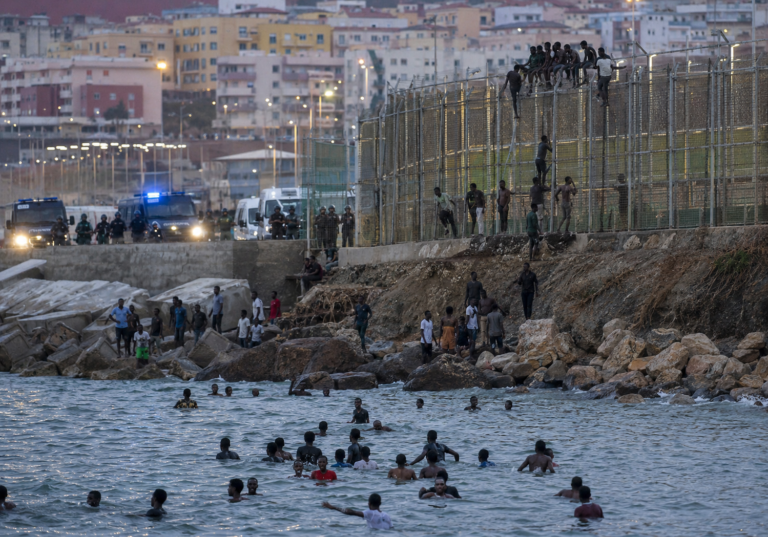
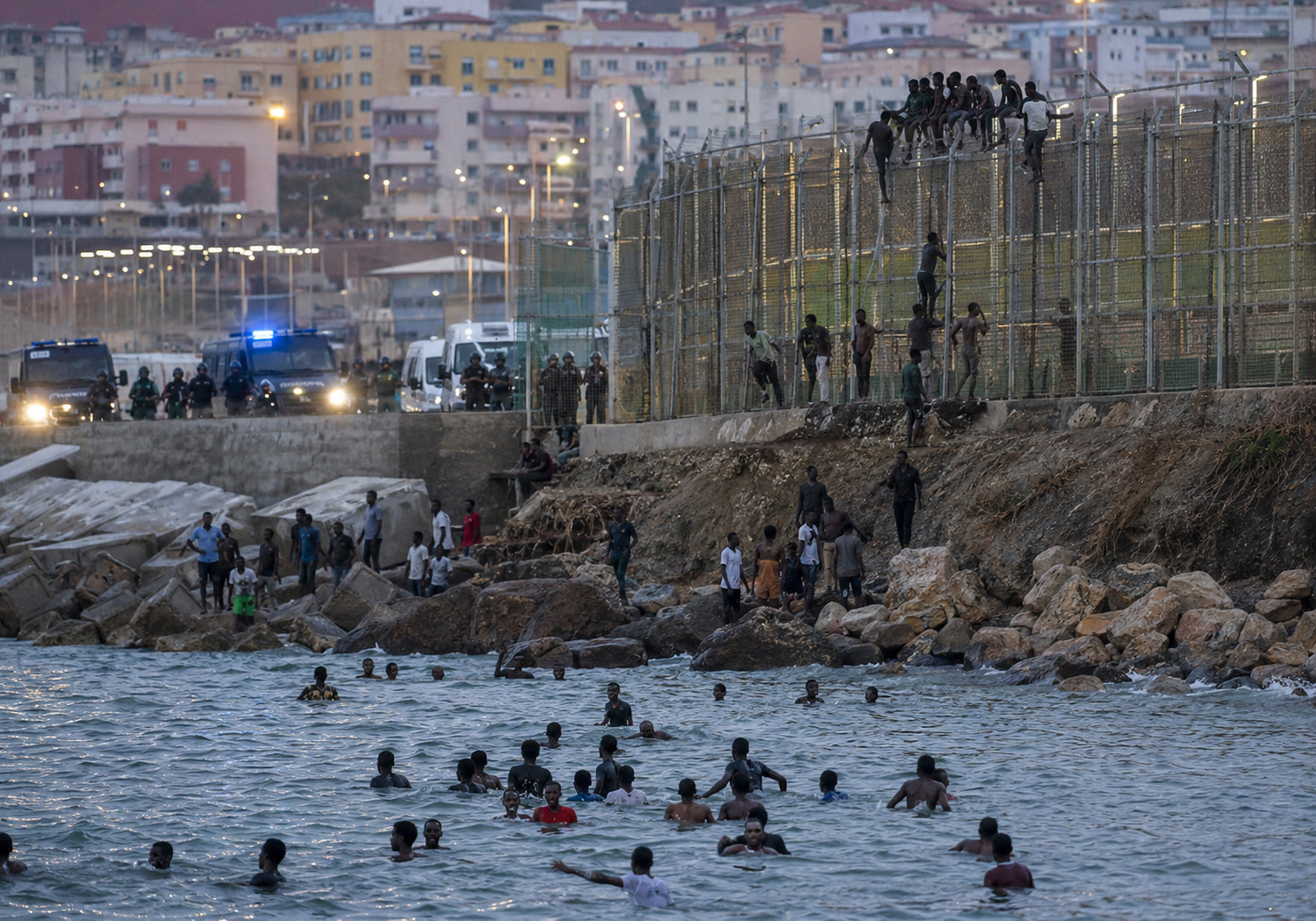
Thousands reached the territory by swimming around coastal barriers, climbing border fences or moving through overwhelmed crossing points.
Ceuta, home to about 85,000 people, struggled to provide shelter, food, medical care and security. The number of arrivals quickly approached the size of the enclave’s resident population.
Get
Breaking News
First
on WhatsApp
Follow The Morning Telegraph for instant alerts, top stories and exclusive updates delivered straight to your phone.

Thousands Return to Morocco
Spanish authorities initially reported 34 deaths and said about 37,500 migrants had returned to Morocco.
Officials later raised the confirmed death toll to at least 57. By Friday evening, Spanish authorities said more than 48,000 people had returned voluntarily. However, the final number of arrivals and casualties remained subject to revision.
Many victims are believed to have drowned while attempting to swim through rough coastal waters. Others suffered injuries or exhaustion after climbing fences, crossing rocky ground or becoming trapped in large crowds.
Spanish Prime Minister Pedro Sánchez described the mass entry as a violation of Spain’s territorial integrity. His government deployed additional police and military personnel while opening emergency reception facilities.
Spain also announced plans to install new buoy markers along the maritime boundary.
Ceuta Migrant Crossing Raises Border Questions
It remains unclear how so many people crossed in such a short period.
Attention has focused on whether Moroccan authorities temporarily eased border enforcement amid political tensions with Madrid. Similar accusations followed the 2021 Ceuta crisis, when thousands entered after Moroccan security personnel reduced controls.
However, claims that Morocco deliberately opened the border remain unproven.
Human-trafficking networks may also have spread misleading claims that a Spanish court ruling prevented authorities from returning migrants who arrived by sea.
Ceuta and Melilla are Spain’s two enclaves on the North African coast. They also form the European Union’s only land borders with Africa, making both territories persistent migration flashpoints.
The crisis has created political disagreements across Europe. Several governments criticised Spain’s border response, while European Union officials stressed that Ceuta and Melilla operate under special border arrangements.
Spanish authorities said they had largely restored control. However, humanitarian groups warned that the confirmed death toll could rise as coastal searches continued.