By Roy Denish
Prosecutors reportedly conclude presenting evidence in the Prageeth Ekneligoda disappearance trial, renewing focus on accountability for crimes against journalists.
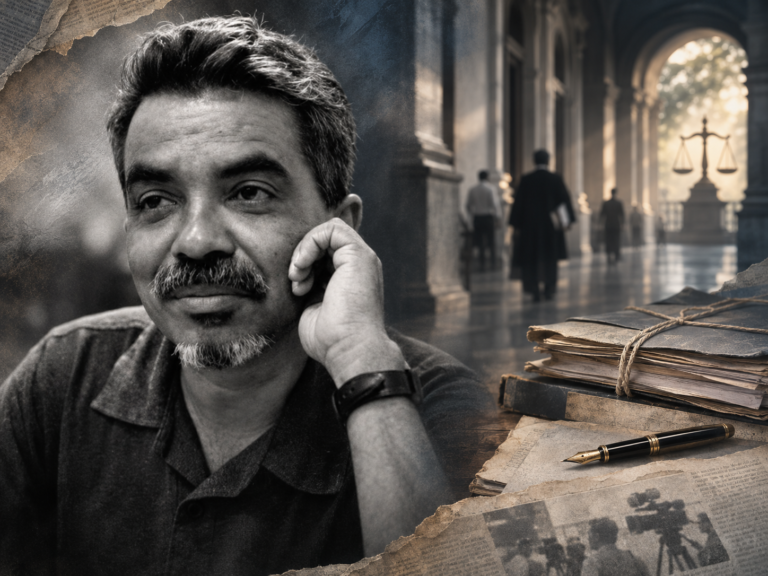
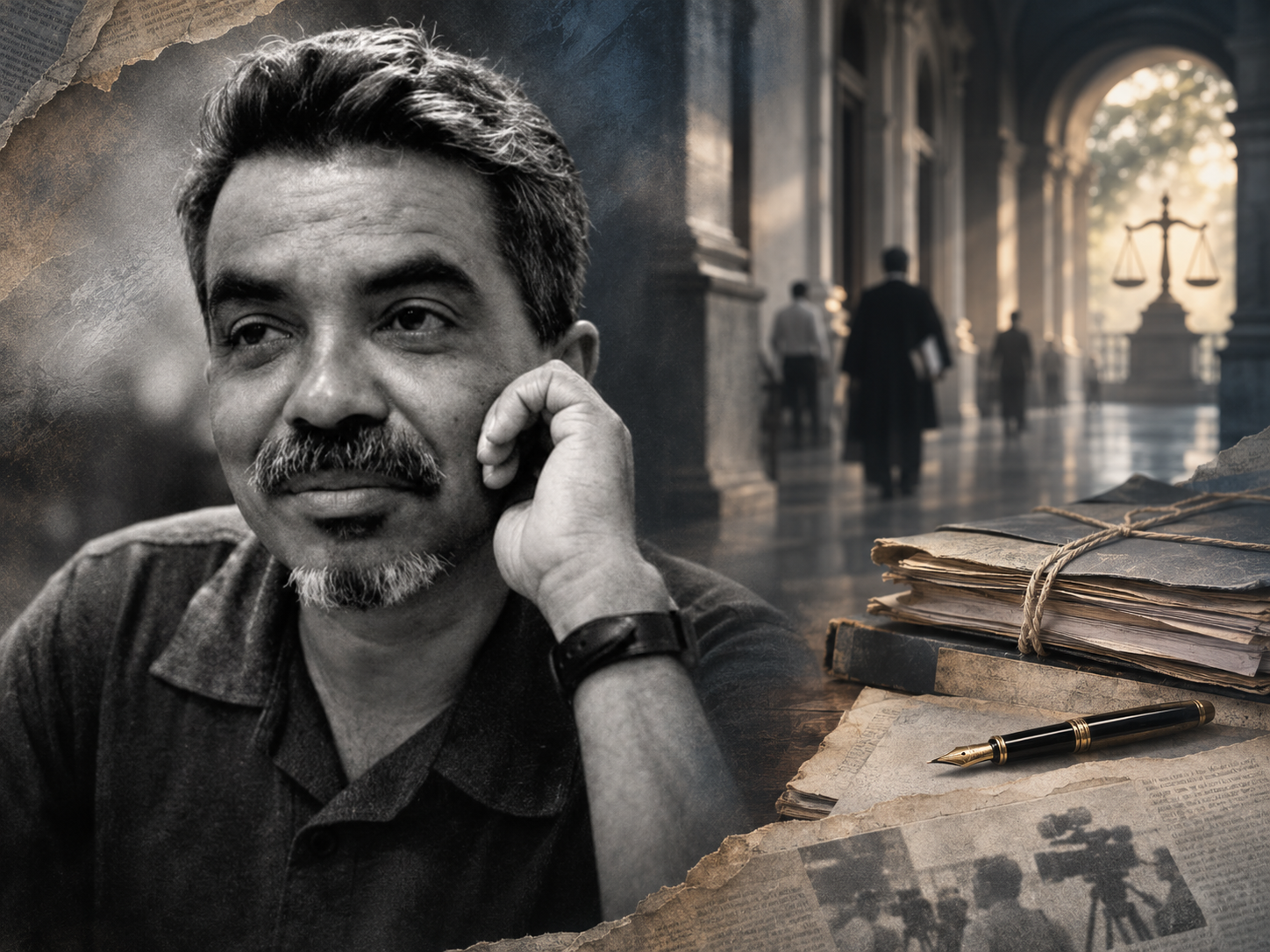
COLOMBO — Prosecutors have reportedly concluded presenting evidence in the long-running trial concerning the abduction and disappearance of Sri Lankan journalist and cartoonist Prageeth Ekneligoda, marking a further stage in proceedings arising from his disappearance more than 16 years ago.
Ekneligoda, a journalist and political cartoonist associated with the Lanka eNews website, disappeared on January 24, 2010, shortly before Sri Lanka’s presidential election.

Known for his political commentary and criticism of those in power, he became one of the country’s most prominent cases involving alleged enforced disappearances and attacks on media freedom.
Allegations Against Military Intelligence Personnel
Investigations conducted by the Criminal Investigation Department (CID) led to criminal proceedings involving military intelligence personnel accused of participating in Ekneligoda’s abduction and disappearance.
According to allegations arising from the investigation, he was taken into custody by military intelligence operatives and held at the Giritale military camp, where he was questioned about his activities.
Investigators have also examined allegations that he was subsequently transported to the Eastern Province, including Akkaraipattu, where he may have been killed and his remains disposed of.
These allegations remain subject to judicial determination. Ekneligoda’s body has never been recovered.
His wife, Sandya Ekneligoda, has spent years campaigning for answers, pursuing legal remedies and calling for accountability.
The proceedings have been prolonged by legal and procedural disputes, including questions surrounding witness testimony.
A Dark Chapter in Sri Lanka’s Media History
The Ekneligoda case remains closely associated with a period marked by attacks, intimidation and violence against journalists in Sri Lanka.
Among the most prominent victims was Lasantha Wickrematunge, co-founder and editor-in-chief of The Sunday Leader, who was fatally attacked while travelling to work in Colombo on January 8, 2009.
Wickrematunge had become widely known for investigations into alleged government corruption, military procurement controversies and human rights abuses.
A posthumously published editorial contained one of the most widely remembered statements in Sri Lankan journalism:
“When finally I am killed, it will be the government that kills me.”
His assassination and Ekneligoda’s subsequent disappearance remain central to discussions about the safety of journalists and the ability of the justice system to hold perpetrators accountable.
What Happens Next?
If the prosecution has formally closed its evidence, the next stage will depend on the applicable procedural requirements and any submissions or applications made by the defence.
The completion of prosecution testimony does not establish the guilt of those accused.
For Ekneligoda’s family and media freedom advocates, the unresolved disappearance continues to represent a test of Sri Lanka’s capacity to investigate alleged abuses involving state security personnel and deliver justice through the courts.
The precise status of the proceedings and the next scheduled hearing should be confirmed against the latest court record.