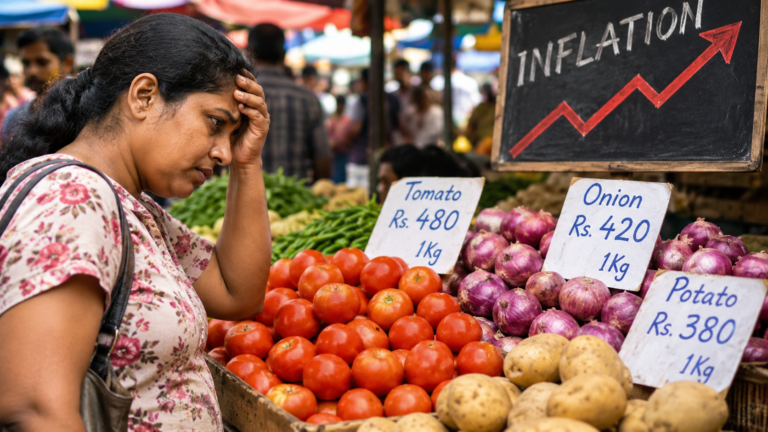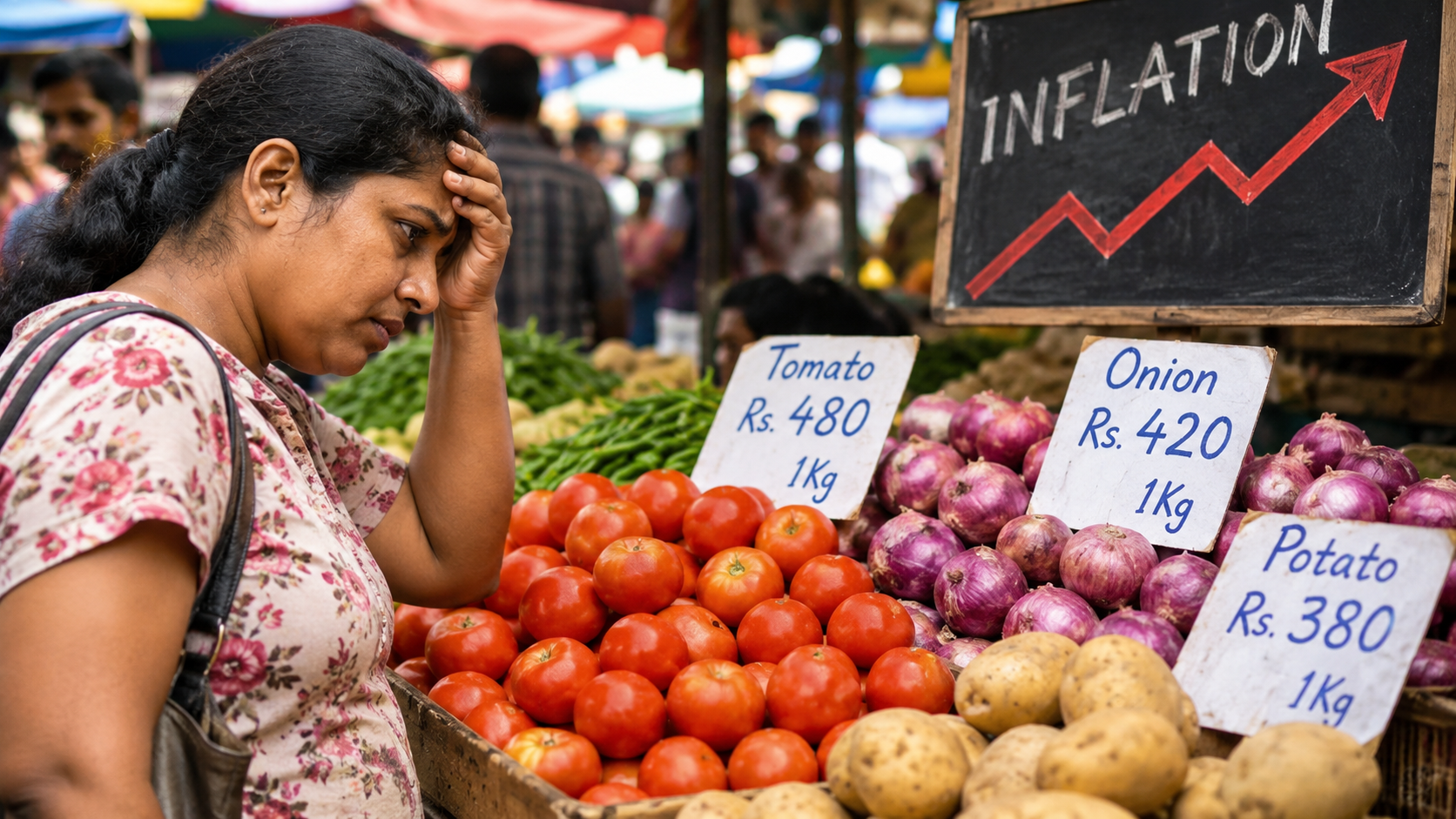
Mounting transport expenses and renewed inflationary pressures threaten to erode household purchasing power, complicating Sri Lanka’s economic recovery and placing additional financial strain on ordinary citizens.
Sri Lanka’s nationwide inflation accelerated to 8.5 per cent in October 2026, reaching its highest level in 41 months as rising transportation costs contributed to renewed pressure on consumer prices.
Figures released by the Department of Census and Statistics showed that annual inflation, measured through the National Consumer Price Index (NCPI), increased from 8.1 per cent in September.
The latest figure represents the highest nationwide inflation rate recorded since June 2023, highlighting the continuing vulnerability of household finances despite improvements in several broader economic indicators.

Rising Costs Threaten Household Purchasing Power
Higher transportation expenses have consequences extending well beyond motorists and public transport passengers.
Businesses dependent on road transportation may face increased distribution expenses, potentially contributing to higher retail prices for food, essential commodities and consumer goods.
For households whose incomes have not increased in line with inflation, these developments could result in reduced purchasing power and greater difficulty meeting everyday expenses.
Lower-income families are particularly vulnerable because essential goods and services typically account for a substantial proportion of their monthly expenditure.
Higher Interest Rates Complicate Recovery
Against the backdrop of rising inflation, the Central Bank has raised its policy interest rate to 9 per cent.
While monetary tightening is intended to contain inflationary pressures, higher interest rates can also increase borrowing costs for households and businesses.
Small and medium-sized enterprises may consequently face additional challenges when financing operations, expanding businesses or servicing loans.
The latest inflation figures highlight the distinction between macroeconomic recovery and improvements in household living standards.
Ultimately, the sustainability of Sri Lanka’s economic recovery will depend not only on fiscal stability and stronger economic indicators but also on whether ordinary citizens experience meaningful improvements in their purchasing power and quality of life.