By Dwayne Ferreira
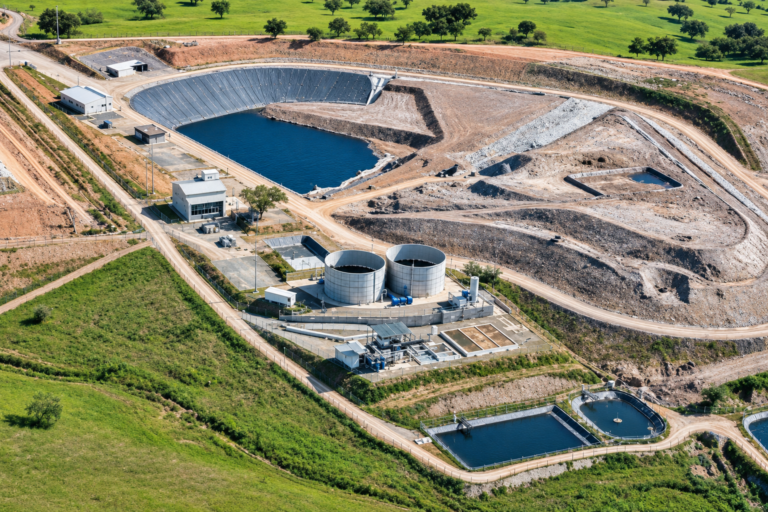
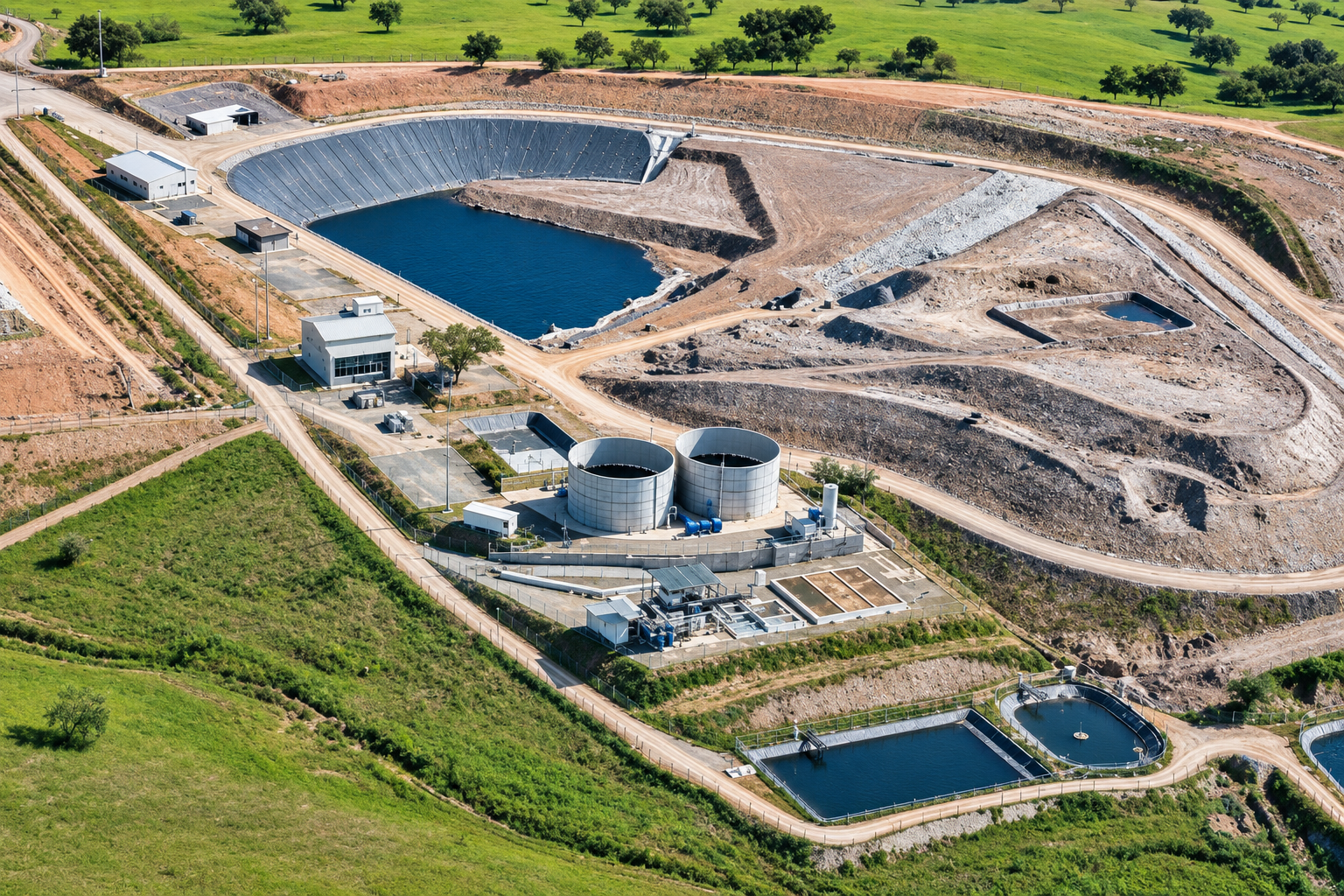
Parliament has been informed that more than Rs. 26 billion has been spent on the Colombo–Aruwakkalu waste management project. While construction activities have reportedly been completed, questions remain about the facility’s long-term operations, financial sustainability and measurable public benefits.
COLOMBO – Sri Lanka has spent Rs. 26.15 billion on a major infrastructure project designed to transport solid waste generated in Colombo to Aruwakkalu in the Puttalam District, Parliament was informed on Friday, November 27.
Minister of Public Administration, Provincial Councils and Local Government Professor A.H.M.H. Abayarathna disclosed that cumulative expenditure on the project had reached Rs. 26,151.89 million.

The disclosure was made in response to parliamentary questions submitted by MP Mujibur Rahuman. Parliament News
The expenditure figure provides an opportunity to assess the project’s implementation, operational performance and long-term value to taxpayers.
Construction Completed, Asset Handover Underway
According to the official parliamentary release, the minister stated that the project’s construction and associated activities had been completed under the supervision of the Ministry of Transport, Highways and Urban Development.
The process of transferring project assets and associated records to the responsible authority was underway.
However, the completion of construction does not necessarily establish that a facility is operating continuously at its intended capacity or achieving its projected financial and environmental benefits.
These outcomes must be assessed separately through operational records.
Understanding the Rs. 26.15 Billion Investment
The Aruwakkalu project was developed to address the challenges associated with managing solid waste generated in Colombo and reducing dependence on conventional dumping practices.
Its effectiveness must ultimately be assessed against measurable indicators, including the volume of waste handled, transportation costs, environmental compliance and expenditure incurred in maintaining the infrastructure.
The parliamentary disclosure establishes the amount reported as having been spent. It does not, by itself, provide a complete assessment of the project’s financial performance.
The Information Taxpayers Need
A comprehensive assessment of the project would require the publication of several financial and operational indicators:
- The original approved project cost and subsequent revisions.
- A breakdown of construction, equipment and transportation expenditure.
- Annual waste processing and transportation volumes.
- Operational and maintenance expenditure.
- Environmental monitoring and compliance records.
- The project’s expected operational lifespan.
These figures would allow the public to assess whether the investment is delivering the benefits originally anticipated.
Measuring Success Beyond Construction
Large-scale waste management infrastructure serves a critical public health and environmental function.
Its success cannot be determined solely by whether construction has been completed or how much money has been spent. Reliable operations, environmental protection and manageable long-term costs are equally important.
The latest parliamentary disclosure establishes a reported cumulative investment of Rs. 26.15 billion.
An assessment of whether that expenditure represents value for money requires further financial and operational evidence.
There is presently insufficient information in the parliamentary release alone to conclude that public funds were misused or that the project has failed.