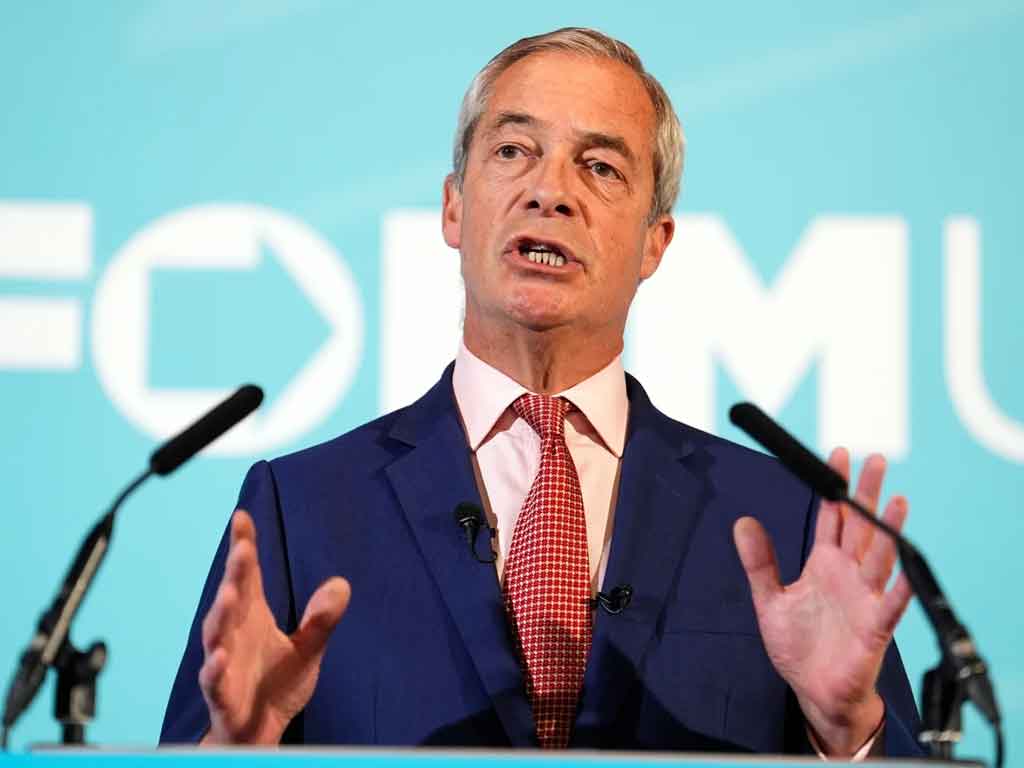
Reform UK MP Danny Kruger has moved to quash fears that scrapping indefinite leave to remain would see elderly migrants deported, insisting long-term residents should apply for citizenship instead. Framing the policy as a curb on benefits and mass migration, Kruger went further by warning of “segregated societies” caused by immigration from Muslim-majority countries, defending Reform’s hardline rhetoric as reflecting public sentiment. His comments sharpen the party’s cultural integration agenda while intensifying criticism that it risks deepening social divides.
Danny Kruger, Reform UK’s newest MP after defecting from the Conservatives, has denied claims that his party plans to deport pensioners if they come to power. The concern arose after Reform pledged to scrap indefinite leave to remain, which currently allows migrants to settle permanently in the UK after five years. Critics suggested this could force long-term residents, including elderly people who have lived and worked in Britain for decades, to leave the country. Kruger told the BBC there was “no intention to have some sort of pensioner deportation programme,” adding that such residents should instead apply for British citizenship.

He explained that the party’s focus was on reducing access to benefits and limiting indefinite residency for new arrivals. Migrants, he said, would either need to leave voluntarily if ineligible for benefits or apply for visas tied to employment and English proficiency. According to Kruger, indefinite leave to remain has become “a passport to mass migration,” which Reform argues has led to millions settling permanently in the UK.
In his interview, Kruger went further by claiming immigration from Muslim countries posed a cultural challenge, arguing the pace and scale of arrivals had created “segregated societies” in parts of Britain. He insisted this was different from earlier immigration waves, such as Jewish or Catholic communities, which he said integrated more smoothly. Kruger defended the use of terms like “invasion” to describe migration, arguing that politicians should reflect the “democratic language” of ordinary people rather than dismiss such views as inflammatory. He added that ignoring these concerns only deepened public resentment.
Kruger’s remarks underline Reform UK’s push to prioritise British citizens and to reshape immigration policy around cultural integration, a stance that has already drawn sharp criticism from opponents who warn it risks fuelling division.