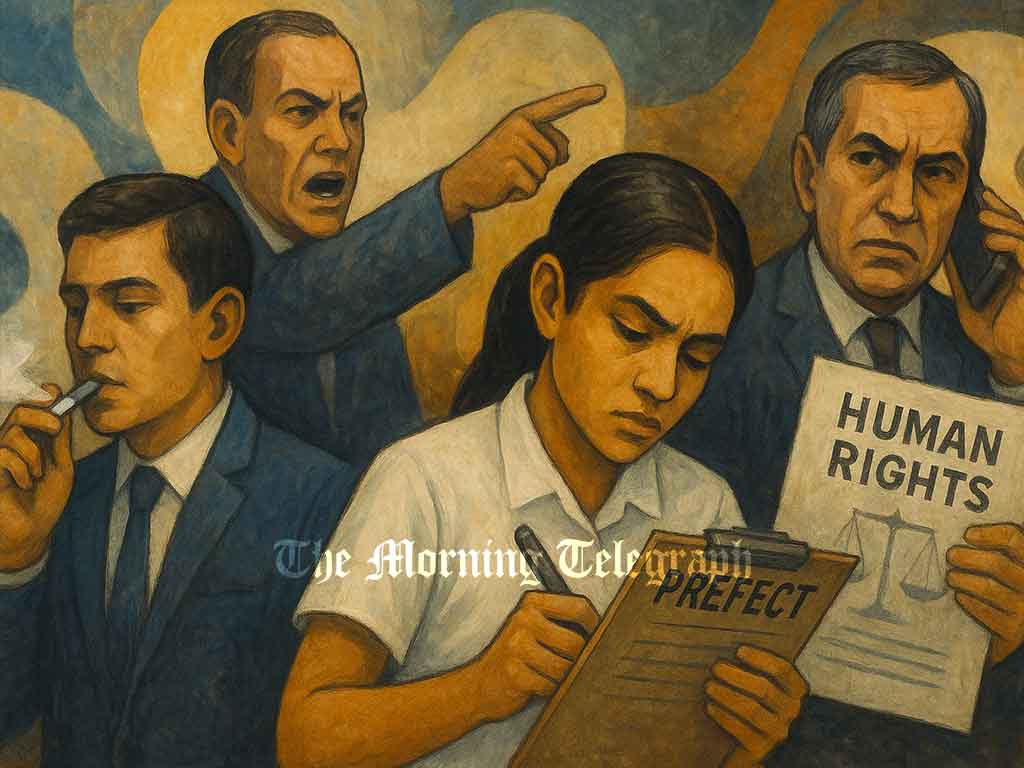
Two shocking school controversies in Sri Lanka’s Badulla district have sparked heated debate in Parliament, involving the children of cabinet ministers accused of misconduct and misuse of influence within local schools.
Political controversy spilled into Sri Lanka’s Parliament this week as two separate incidents involving the children of Badulla district ministers drew widespread attention. The debates highlighted concerns over misuse of authority, school discipline, and growing allegations of political pressure on educational institutions.
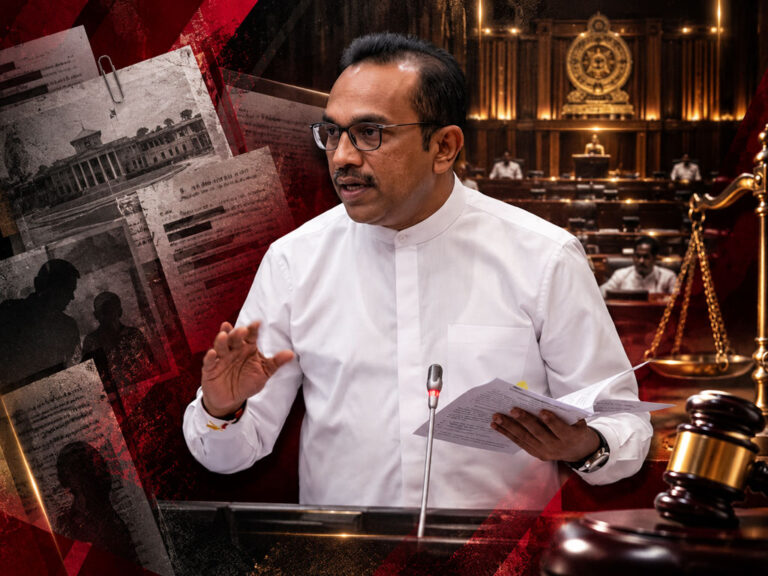
Badulla District MP Chamara Sampath Dassanayake claimed that the son of Plantation Industries and Community Infrastructure Minister Samantha Vidyarathna was caught smoking an e-cigarette with four other students at Badulla Maha Vidyalaya. The MP alleged that the school’s principal had confronted the students over the misconduct. Addressing Parliament, Dassanayake said the incident reflected the breakdown of discipline in schools and the negative example set when children of political leaders are involved.

Minister Samantha Vidyarathna responded strongly to these allegations, dismissing them as false and politically motivated. He announced through his official social media that he would file a complaint with the Criminal Investigation Department (CID) against those spreading what he described as baseless rumors targeting his family. Vidyarathna emphasized that attempts to damage his reputation by dragging his son into controversy would not be tolerated.
In a separate revelation, MP Dassanayake also alleged that the daughter of a Deputy Minister from the Badulla district had pressured school authorities after being denied a prefecture leadership position. According to his statement, she sought the intervention of human rights officials, claiming her rights had been violated. Fearing repercussions, the principal of the school reportedly gave her the prefecture position under pressure.
The two incidents have reignited concerns over the growing influence of political families in schools, where principals and teachers face intimidation when handling disciplinary or administrative matters. Critics argue that such actions undermine the credibility of the education system and set dangerous precedents for other students.
Parliamentarians opposing these practices stressed the importance of ensuring that discipline and student leadership positions remain free from political interference. They warned that continued misuse of political power at the school level could erode public trust in both the education system and governance.
The controversy underscores the wider problem of political privilege in Sri Lanka’s schools, where children of leaders often enjoy undue influence. As investigations and debates continue, the public is demanding greater transparency, accountability, and protection for school authorities tasked with upholding discipline.