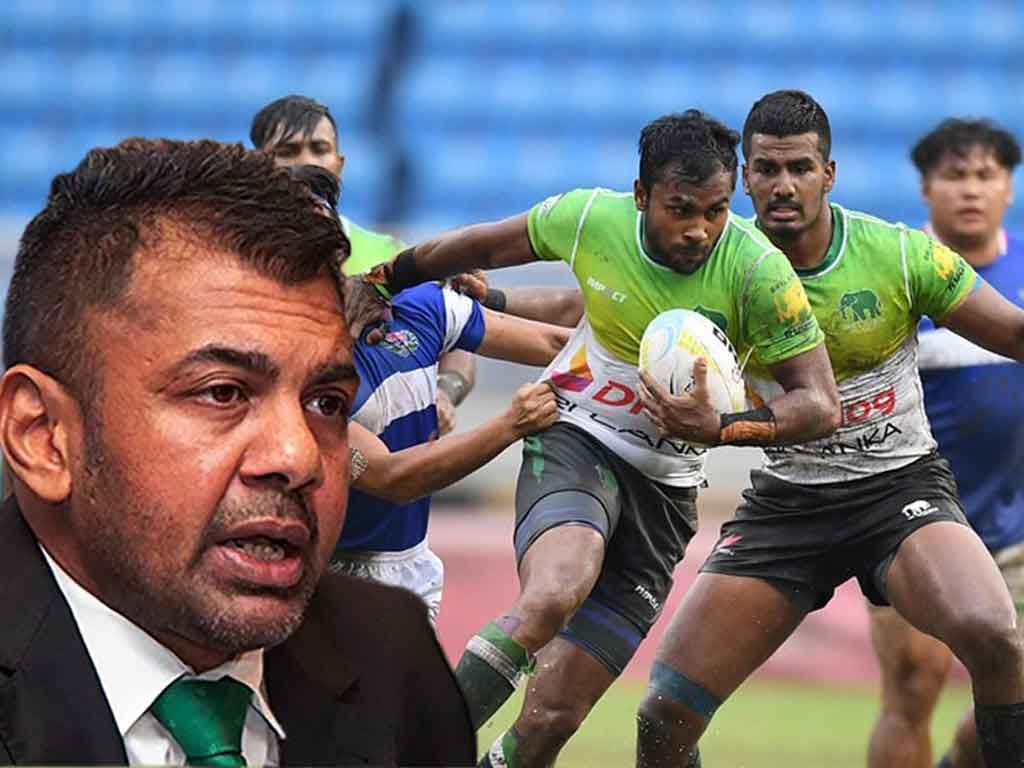
Sri Lanka Rugby is preparing to revolutionize its domestic league with the introduction of a Grand Final system, foreign player inclusions, and professional management, in a bid to revive spectator interest, attract sponsors, and raise the standard of local rugby to global levels.
Sri Lanka Rugby (SLR) is preparing for a major shake-up in its domestic competition as it plans to introduce a Grand Final at the end of each season. The move is designed to keep fans and sponsors engaged until the very last match, ensuring that every game has meaning and every team remains competitive throughout the league. The model mirrors successful systems already in place in leading rugby nations like New Zealand, where finals-based competitions have elevated both the commercial and sporting appeal of the sport.
SLR’s newly elected President, Pavithra Fernando, confirmed that discussions with international counterparts are already underway to finalize the structure and logistics of the Grand Final format. He stressed that the primary objective is to create a competitive environment that not only excites spectators but also relieves local clubs of the financial strain that has plagued them in recent years. “We are in contact with New Zealand and are in the process of arranging players on a non-salary basis to make it easier for local clubs,” Fernando stated.

A key feature of this reform is the planned inclusion of foreign players in the domestic league. The proposal would allow each club to field two overseas players, one forward and one three-quarter, with the expectation that their participation will inject professionalism, experience, and higher skill levels into the local game. This move is particularly aimed at inspiring and mentoring young Sri Lankan players, bridging the gap between Sri Lanka and more established rugby nations. Club representatives will soon meet to discuss and formalize the details of foreign player participation.
Beyond the on-field reforms, Sri Lanka Rugby is also focusing on strengthening its administrative framework. The posts of High Performance Director and Chief Executive Officer will soon be advertised, signaling a clear effort to professionalize the management of the sport at both club and national levels. Fernando emphasized that while the SLR Constitution will remain the guiding framework, sub-committees will include professionals and experts in order to improve governance and operational efficiency. Executive Committee members will continue to lead core committees, but the inclusion of industry specialists is expected to modernize and streamline rugby administration.
A recent Zoom meeting marked a concrete step in discussing these sweeping reforms, reflecting SLR’s serious commitment to transforming the sport’s domestic outlook. According to Fernando, the approval of foreign players at the recent Executive Committee meeting was just the beginning of broader reforms that aim to rejuvenate Sri Lanka’s rugby culture. He further noted that Sri Lanka Sevens players will be contracted as a priority, with a specific goal of securing a medal at the 2026 Asian Games in Japan.
The introduction of the Grand Final system, coupled with overseas participation and professional management appointments, signals a turning point for Sri Lanka Rugby. With these changes, SLR is not only seeking to bring back large crowds to stadiums but also to place the country firmly on Asia’s rugby map as a competitive and progressive rugby-playing nation.