A candid New Year reflection from Namal Rajapaksa calling for accountability, unity, and renewed trust in Sri Lanka’s youth as the nation looks ahead.
Mistakes can happen, but they must be corrected as the country moves forward, said Sri Lanka Podujana Peramuna National Organizer and Parliamentarian Namal Rajapaksa, delivering a reflective Sinhala and Tamil New Year message focused on accountability, cultural identity, and national progress.
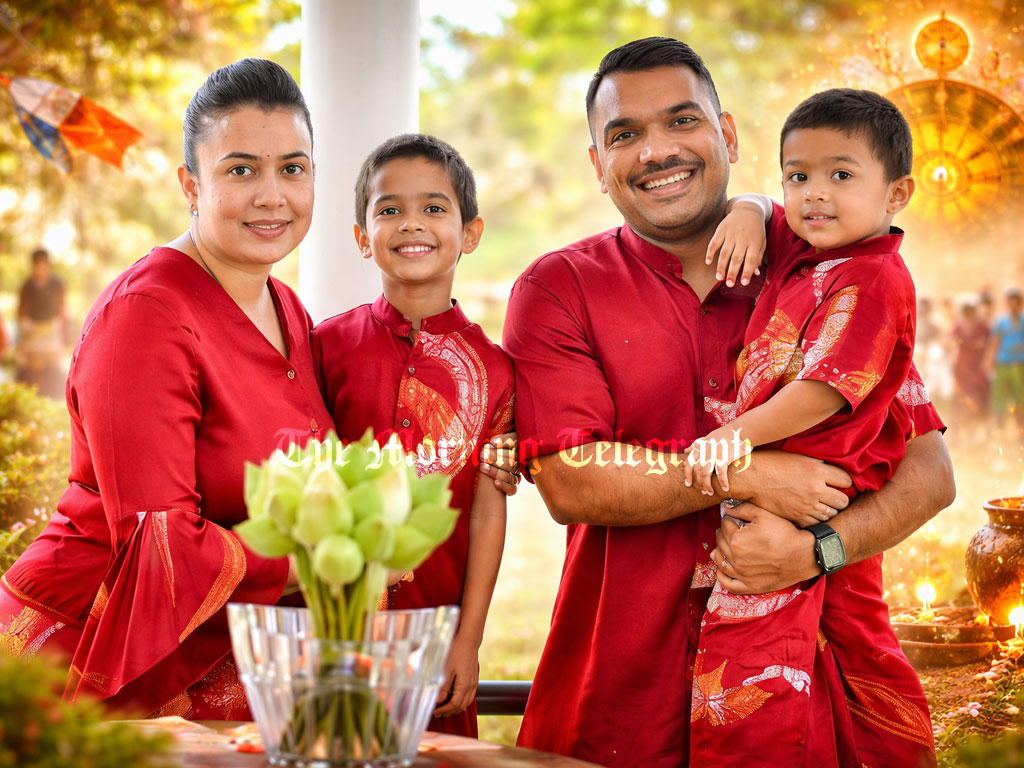
He made these remarks while addressing the media after taking part in traditional New Year rituals at Carlton House, marking the occasion with both cultural observance and a broader political message aimed at unity and rebuilding trust.

Extending his wishes, Namal Rajapaksa stated that he sincerely hopes all Sri Lankans enjoy a happy and peaceful New Year. He emphasized that this is a time when Sinhala and Tamil communities come together to celebrate a shared cultural heritage, highlighting the importance of preserving these traditions for future generations.
He stressed that Sri Lanka’s cultural values form the foundation of its national identity. According to him, protecting and passing on these traditions is essential, as they represent the roots from which the country has grown and developed over time.
Acknowledging the challenges ahead, he noted that the year may appear difficult, but expressed confidence that the spirit of the New Year can help transform those challenges into opportunities for renewal and happiness. He suggested that a positive mindset and cultural grounding can guide the nation through uncertain times.
Namal Rajapaksa further explained that understanding and self reflection are key to progress. He pointed out that mistakes are part of any journey, but what matters is the willingness to recognize them, correct them, and continue moving forward. He linked this mindset to the lessons embedded in Sri Lankan culture and traditions.
Reflecting on the country’s past, he admitted that there have been mistakes throughout Sri Lanka’s history. He stated that these must be openly acknowledged and accepted, rather than ignored, if the country is to build a stronger and more united future.
Looking ahead, he focused on the role of the younger generation in shaping the nation. He highlighted that Sri Lanka possesses a highly talented, modern, and capable youth population. The key challenge, he said, is to guide this energy toward national development by creating opportunities, building trust, and empowering young people.
He observed that there is currently a visible breakdown in trust between institutions and the youth. While certain historical events such as 1988, 1989, 1983, and even the recent 2022 crisis have influenced public perception, he cautioned against judging an entire generation based on isolated incidents.
According to him, these moments in history should not define the potential of today’s youth. Instead, the country must unite to nurture their talents and create an environment where they can contribute positively to Sri Lanka’s future.
He concluded by urging unity and collective responsibility, emphasizing that building the nation requires confidence in its young people and a shared commitment to progress. Through cultural strength, accountability, and forward thinking leadership, he believes Sri Lanka can move beyond its past and shape a better future.